Meaning
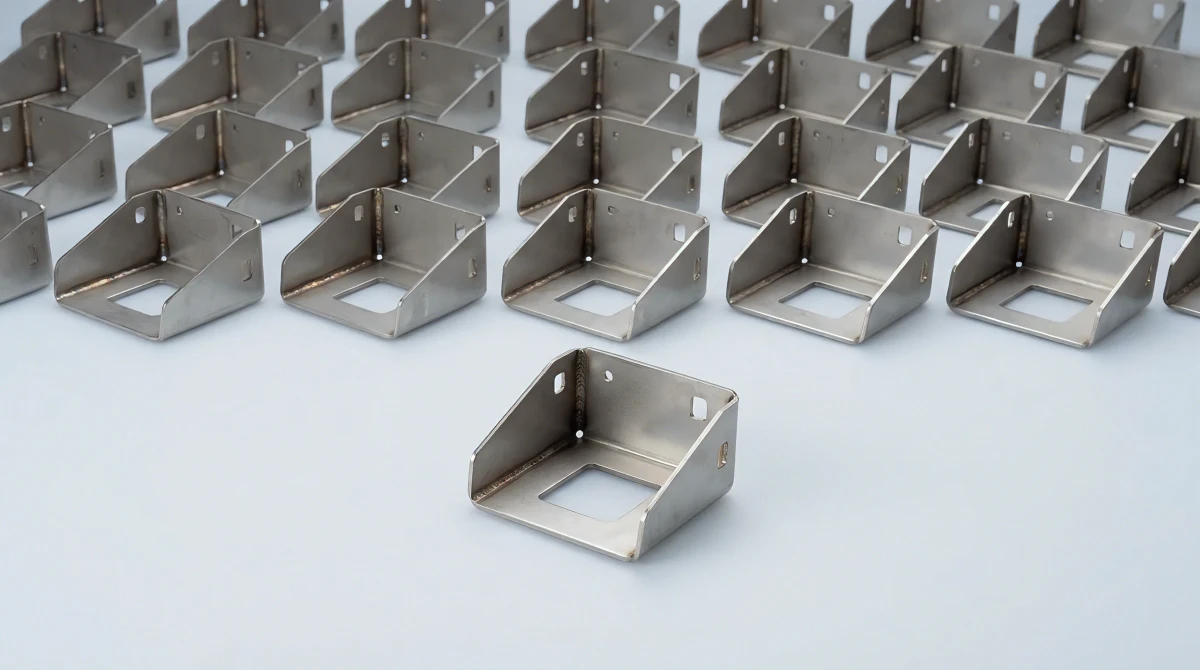
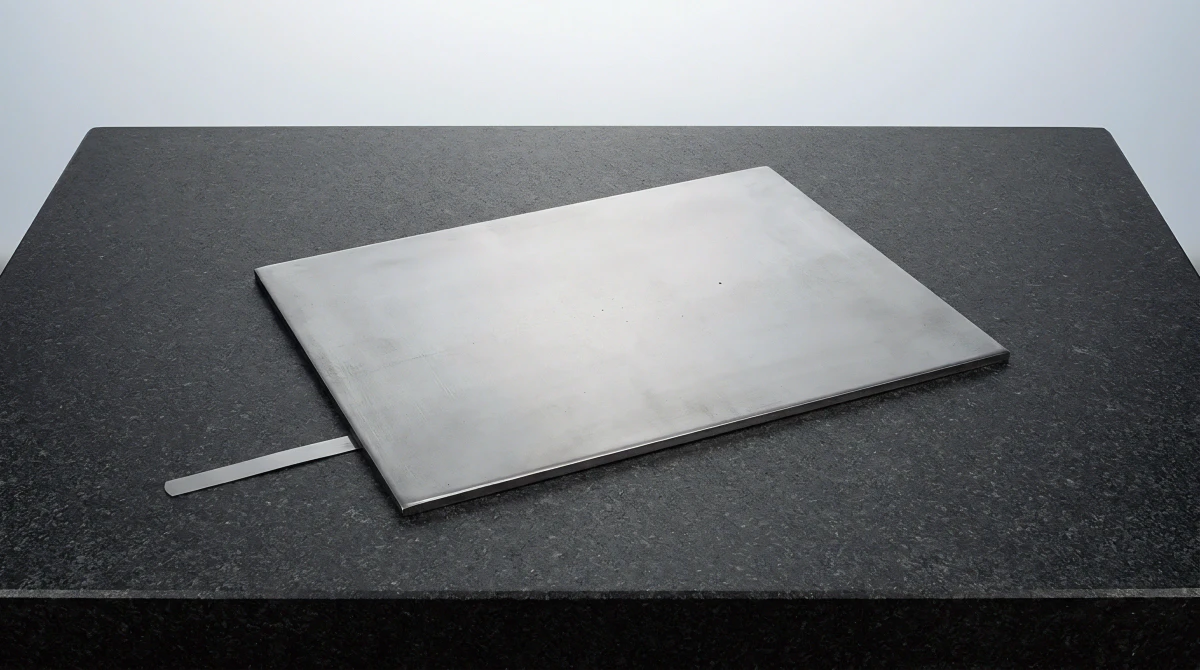
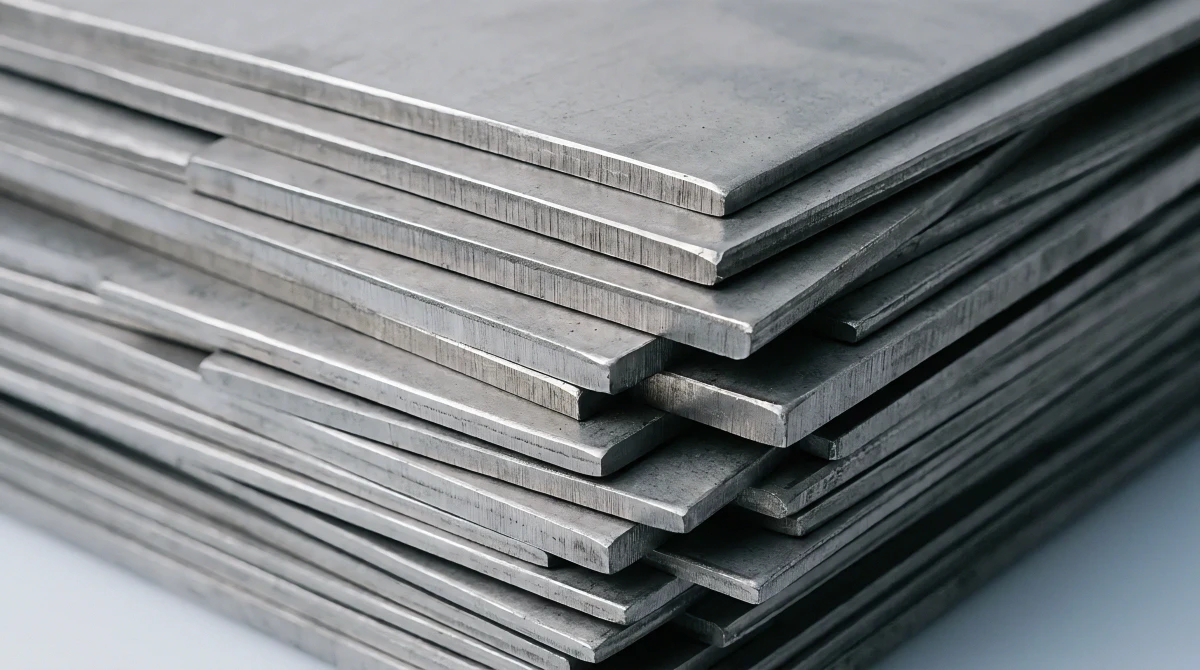
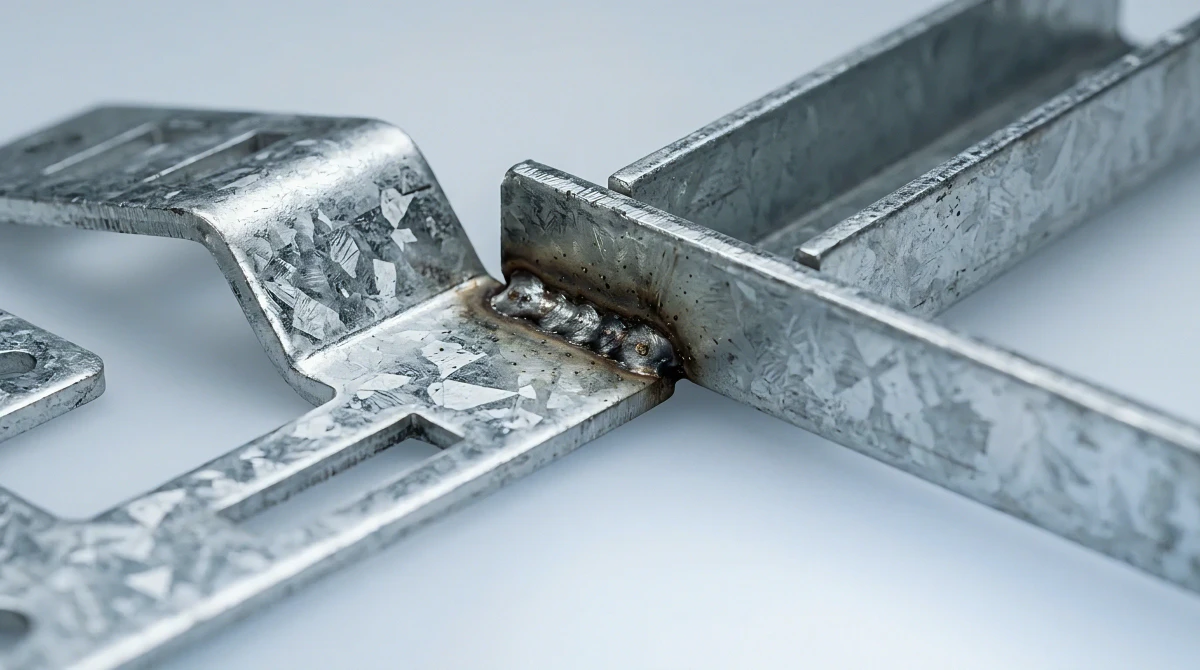
Thin sheet is the low end of the sheet range, where weld, cut and thickness limits shrink to fractions of the thickness itself. ISO 5817 treats 0.5 to 3 mm (0.02 to 0.12 in) as its own band and writes those limits as multiples of t. ISO 9013 and EN 10131 change their rules near its lower end. The small numbers make each limit a larger share of the part than on plate. Thin sheet is also where cutting is fastest and distortion is hardest to hold.Weld Limits
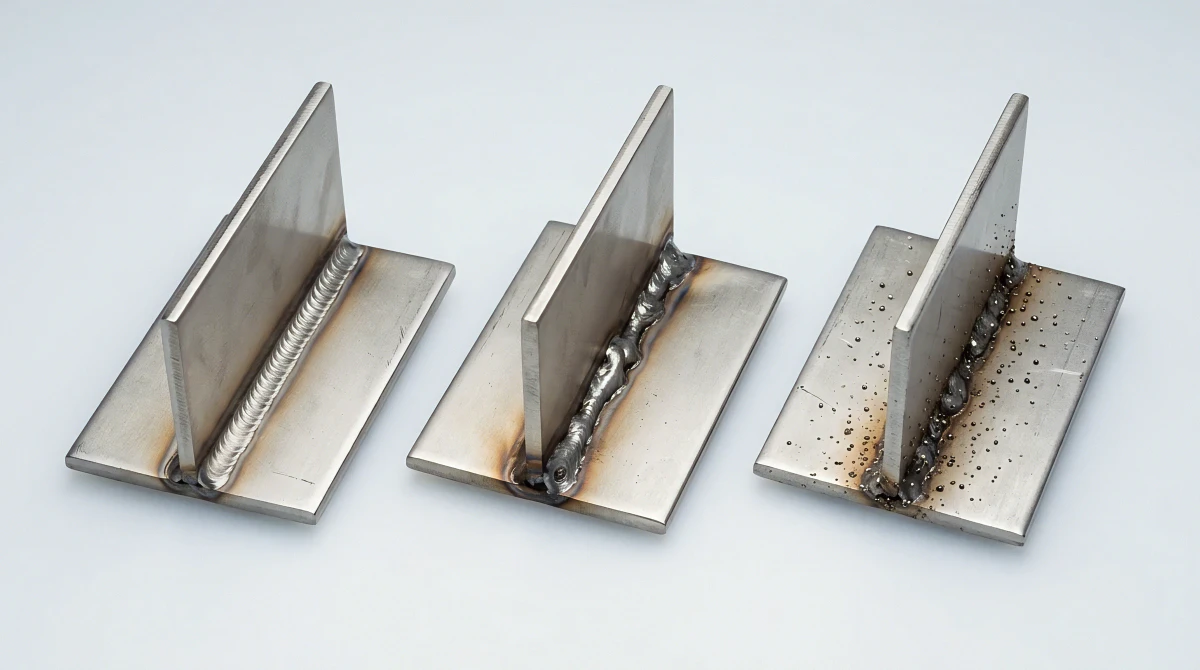
ISO 5817 starts at 0.5 mm (0.02 in) and gives nothing below it. A foil-thin part therefore agrees its acceptance directly with the fabricator. In the 0.5 to 3 mm (0.02 to 0.12 in) rows, level C allows undercut up to 0.1 t. On 1.5 mm (0.059 in) sheet that is 0.15 mm (0.006 in). Level B allows no short undercut, shrinkage groove, root concavity or sagging. Its limit for linear misalignment is 0.1 t + 0.2 mm (0.008 in). On 0.8 mm (0.031 in) sheet that is 0.28 mm (0.011 in), about a third of the thickness.Read More
Cut Measurement
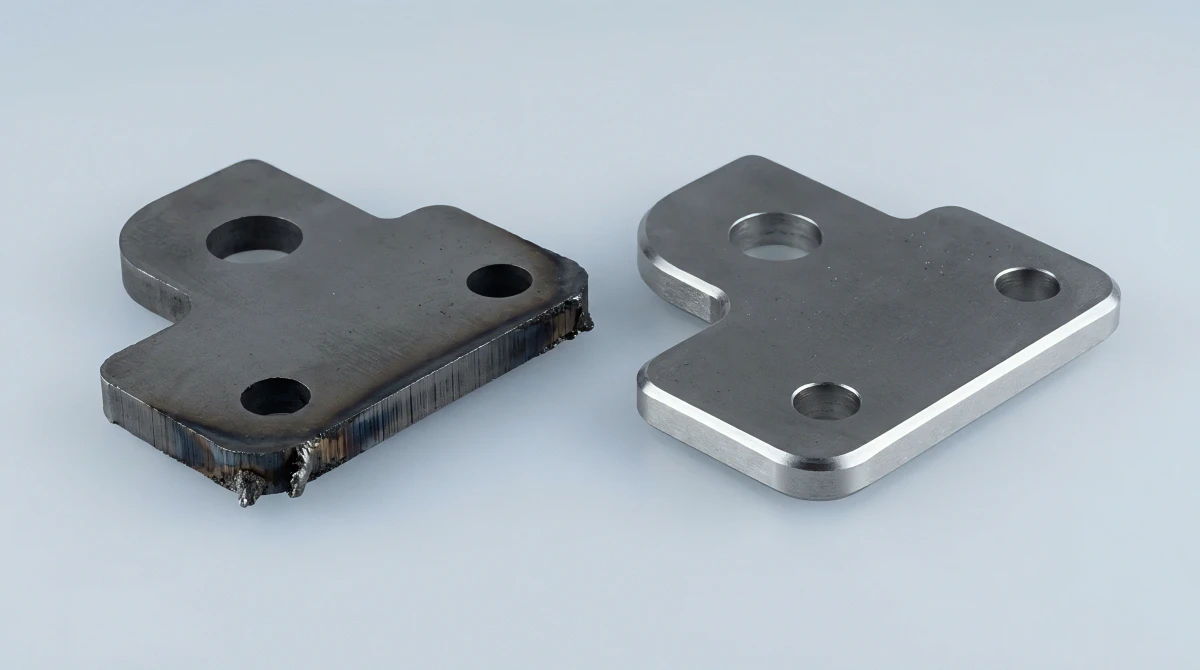
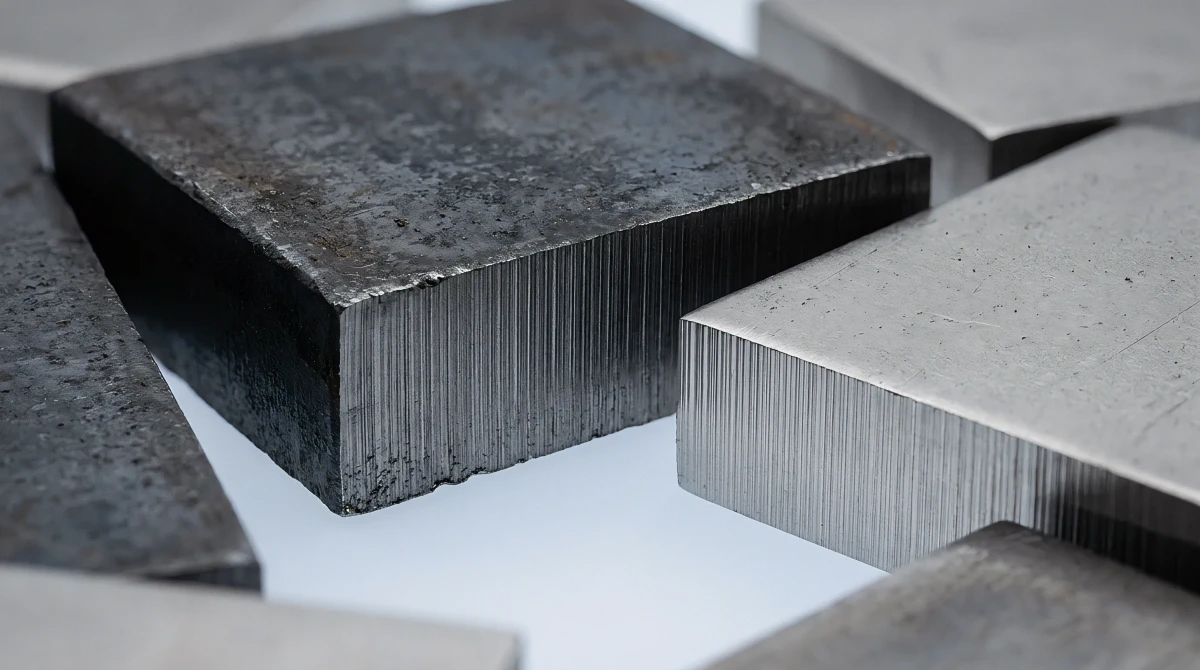
ISO 9013 asks for the squareness method to be agreed below 2 mm (0.079 in). Roughness on such sheet is read at half the cut thickness below the upper edge. Up to 3 mm (0.12 in), the zone excluded at each edge is 0.1 times the thickness. The coarse instrument tier carries an error of 0.1 mm (0.004 in). At 2 mm (0.079 in), that error is 61 % of the range 2 squareness allowance.Thickness Band
EN 10131 gives cold rolled sheet a normal band near 5 % of the nominal across most of its table. The thinnest row, 0.35 to 0.40 mm (0.014 to 0.016 in), reaches 7.5 % normal and 5 % special. This is where a laser-cut shim or spacer meets the tolerance most visibly. ISO 9013 class 1 allows ±0.075 mm (±0.003 in) on small features in sheet up to 1 mm (0.04 in). Class 2 allows ±0.5 mm (±0.02 in) on the same feature.Flatness Allowance
Thinner sheet is allowed to be less flat. EN 10131 lets soft cold rolled sheet under 0.7 mm (0.028 in) and 1,500 mm (59 in) wide sit 17 mm (0.67 in) off flat. That is the normal tolerance, and the special tolerance halves it. The standard gives no reason. One engineering reading is that thin sheet has little bending stiffness and takes the shape of its own stresses.Weld Distortion
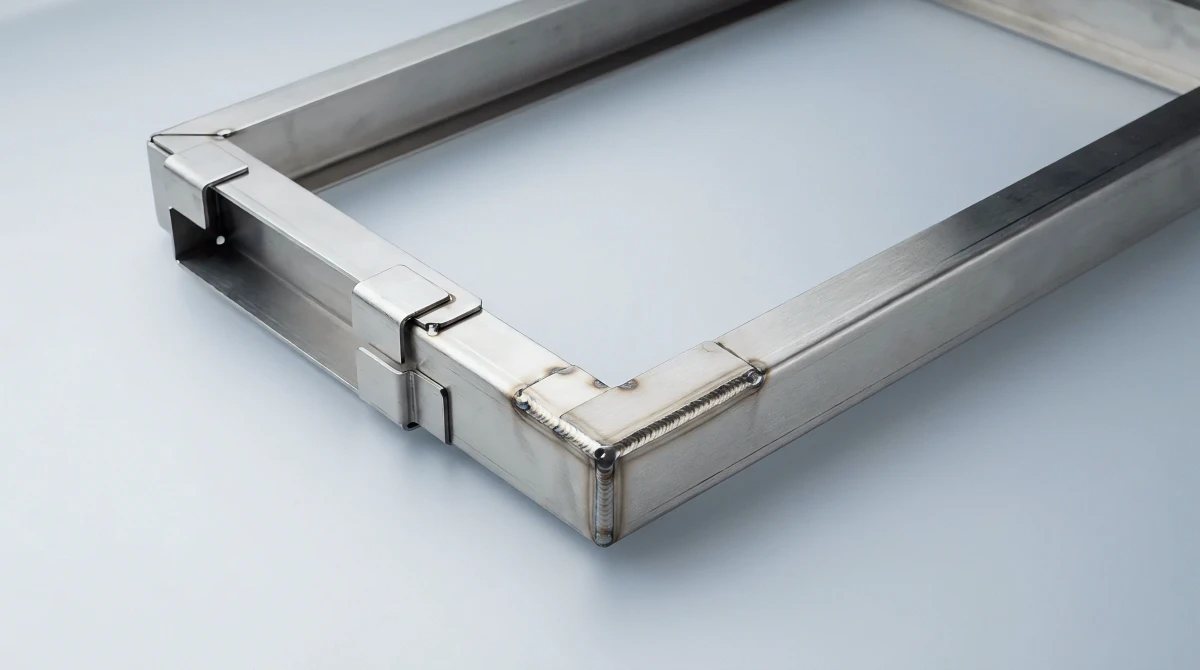
A thin panel has little stiffness to resist a cooling weld. TWI names longitudinal shrinkage along a seam as the mode that bows and buckles thin plate. Back-step welding, by Material Welding’s account, lowers heat input and helps sheet that warps. TWI prefers fast deposition with the fewest runs and MIG over manual metal arc. A resistance spot weld on steel runs at 8 to 15 kA for about a fifth of a second. That short time gives the heat little room to spread.Cutting Practice
Thin sheet is where laser speed is highest and gas choice is widest. GWEIKE lists 1 mm (0.04 in) stainless with nitrogen at 50 to 60 m/min (1,970 to 2,360 in/min) on 12 kW. Air serves thin parts that are hidden or will be ground or blasted afterward. Below 6 mm (0.24 in), laser power changes the cut time by minutes per sheet. Heavy zinc coatings such as G165 and G210 are generally not offered on thin sheet, per GalvInfo.Drawing Practice
On thin sheet the drawing carries more of the inspection. It names the squareness method under 2 mm (0.079 in) and the weld level per joint. It states whether thickness is bare or coated where layers stack. These are the notes the standards leave to the order.