Meaning
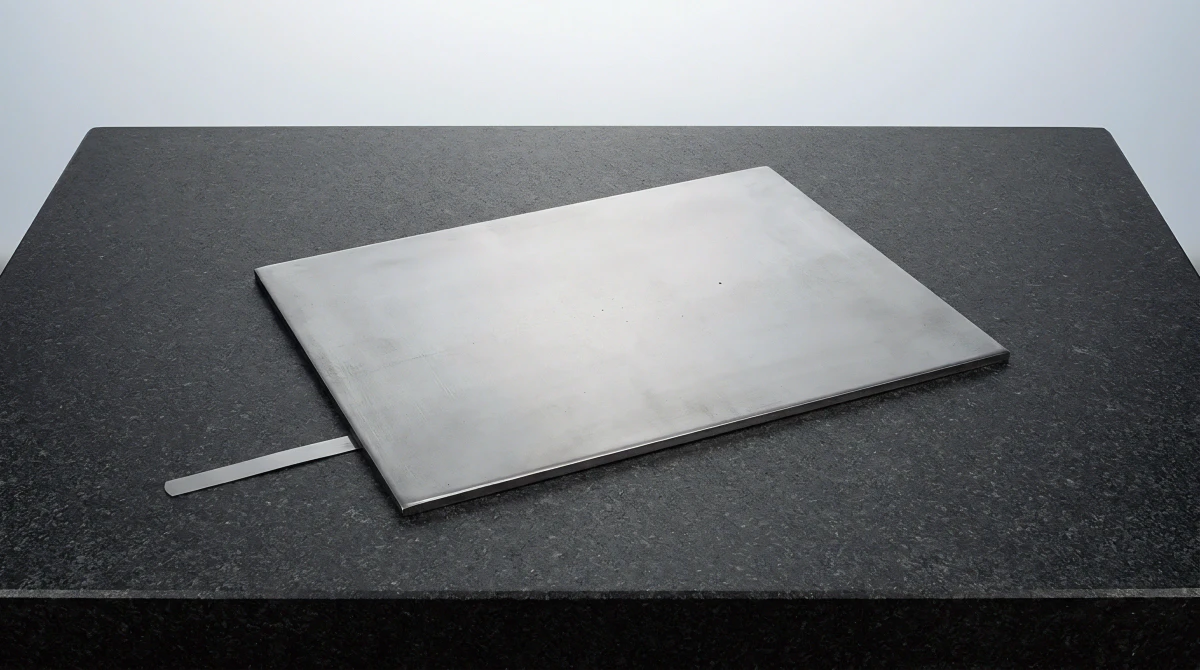
Thick plate is flat-rolled steel or aluminum above the sheet range, where laser cutting slows, pierces take seconds and tolerances open up. Mill sheet ranges stop near 5 mm (0.2 in) for some grades. Cleveland-Cliffs lists 316L sheet only to 4.76 mm (0.187 in), past which plate begins. ISO 9013 covers laser cuts up to 32 mm (1.26 in).Cutting Pace
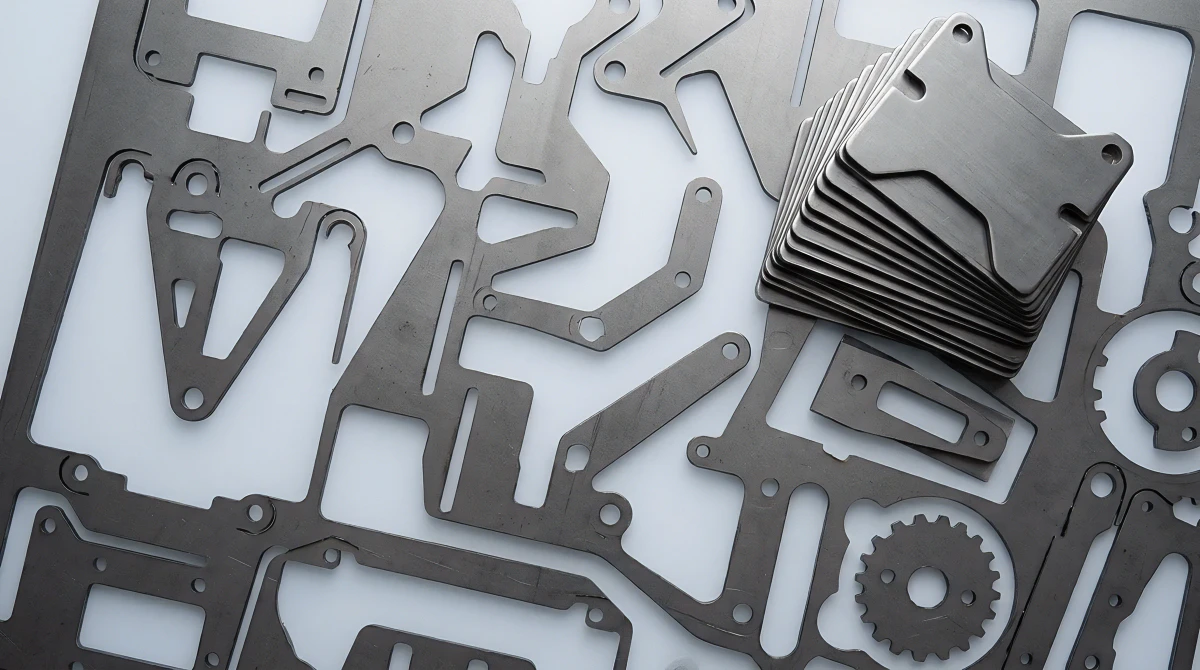
On plate, the burning reaction and the laser power set the speed. GWEIKE lists 25 mm (0.98 in) carbon steel with oxygen at 0.4 to 0.5 m/min (16 to 20 in/min) on 6 kW. A single 580 mm (22.8 in) contour then takes more than a minute. The number of holes becomes the cost driver, since each pierce adds seconds. TRUMPF lists larger cut limits with its thick-sheet package, such as 32 mm (1.26 in) mild steel at 6 kW.Read More
Edge Condition
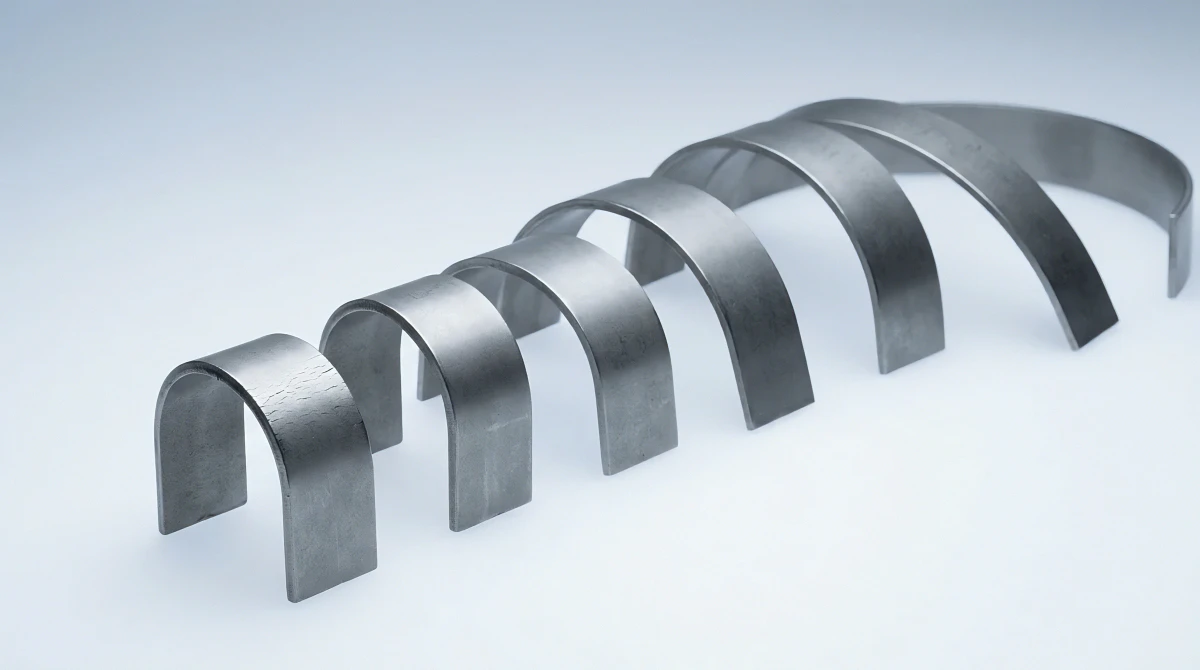
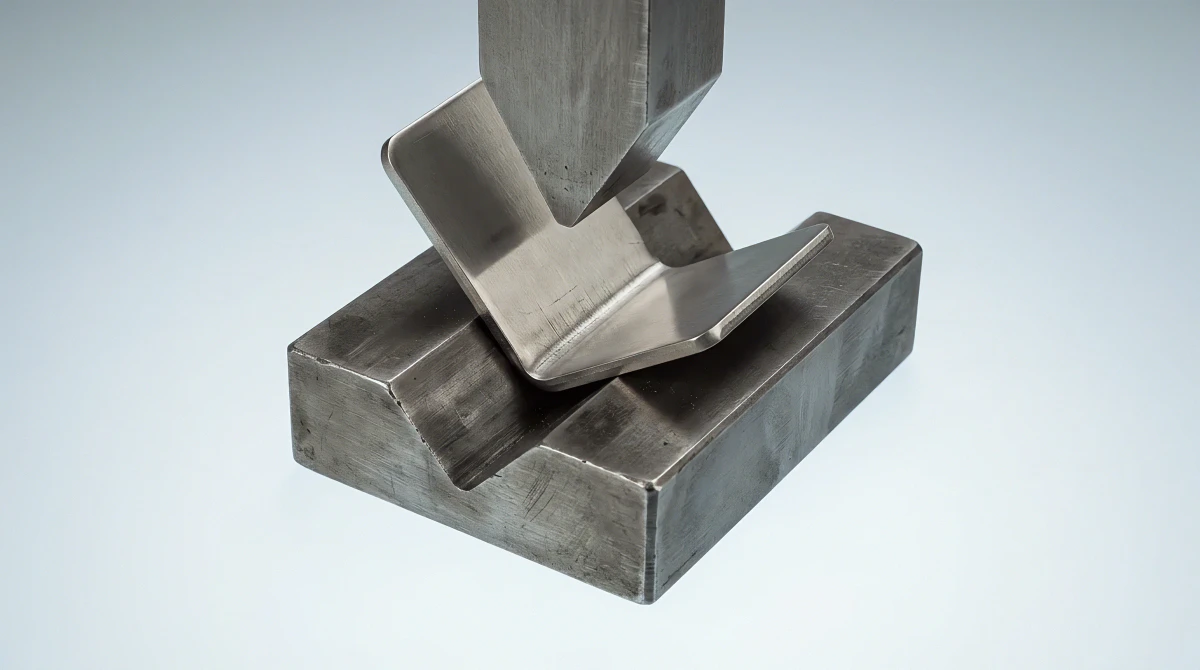
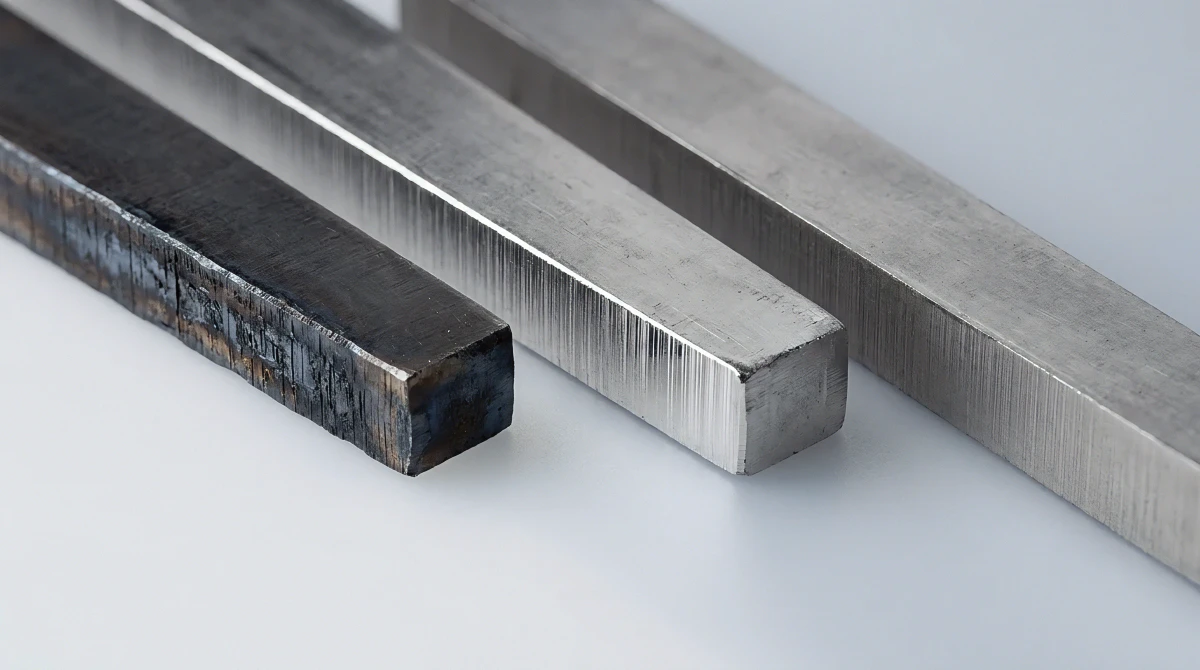
Discoloration, oxidation and slag become typical on oxygen-cut sheet from about 20 mm (0.8 in). A flame or oxygen cut edge on thick plate is oxidized. At the outside of a tight bend, that edge starts cracks sooner than a clean one.Size Tolerance
ISO 9013 widens its limits with thickness. On 5 mm (0.2 in) plate, a 500 mm (19.7 in) feature is ±0.40 mm (±0.016 in) in class 1. In class 2 the same feature is ±1.2 mm (±0.047 in). Thick plate that is welded afterward is where the standard’s assembly rule applies. The cut size is the assembly size reduced by the limit deviation.Flatness Table
EN 10051 measures hot rolled flatness over 1,000 mm (39.4 in). Its special tolerance has the larger effect on thick plate. From 5 mm (0.2 in) upward it falls to about half the normal value. For categories A to C at 8 to 25 mm (0.31 to 0.98 in), that is 7 mm (0.28 in) against 13 mm (0.51 in).