Oxide

Oxide is the layer hot metal forms with oxygen, seen as a scaled cut edge, heat colors beside a weld or a colored film.

Every Oxide article of the Sheet Metal Resources, newest first, each written from published standards, research and makers’ data.

Meaning

Oxide is the layer hot metal forms with oxygen, seen as a scaled cut edge, heat colors beside a weld or a colored film. Some of it is a side effect of cutting and welding. Some of it is made on purpose, as in electrolytic coloring of stainless. Each kind has its own rule on the drawing.

Cut Edge Scale

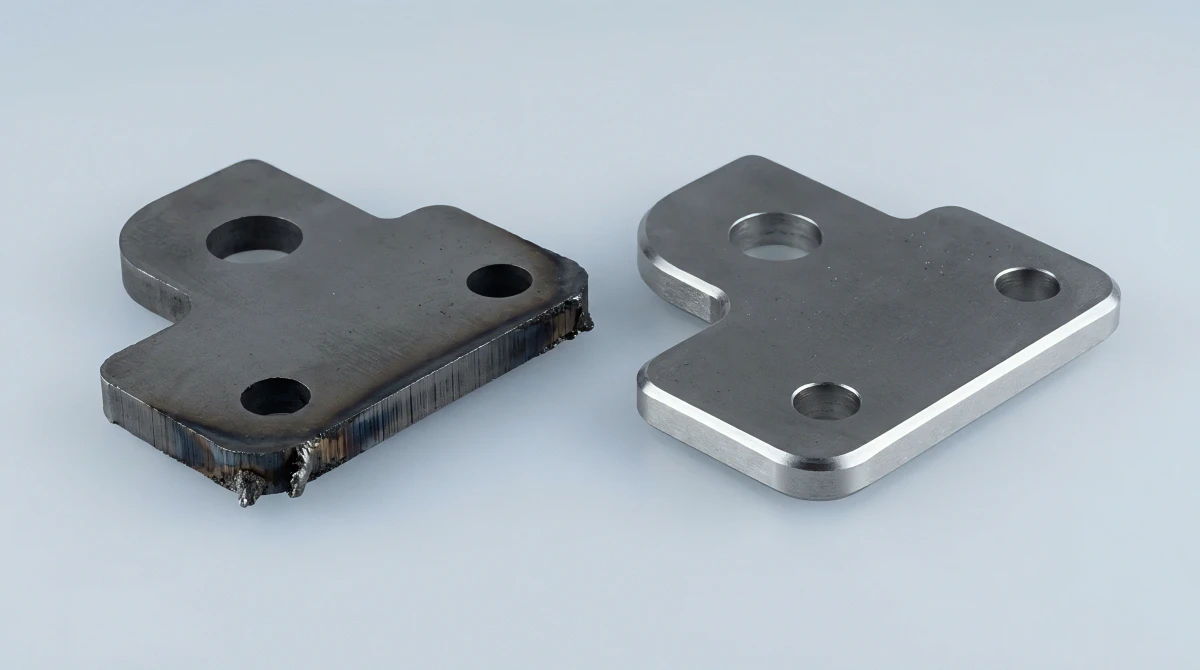
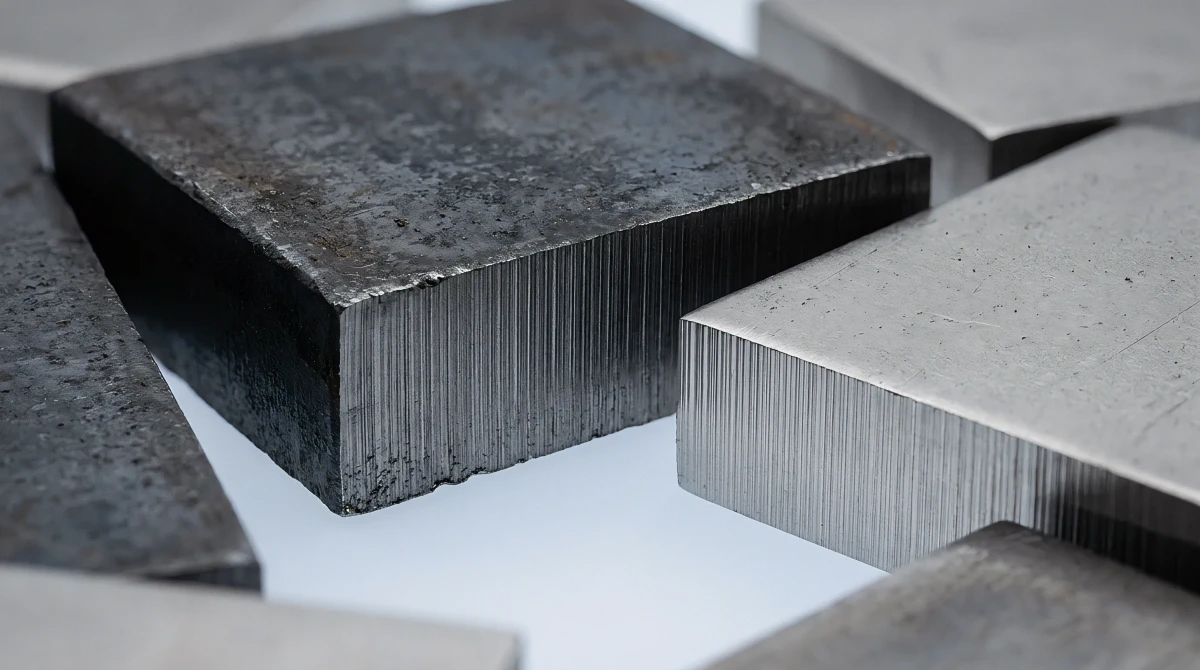
Oxygen assist gas burns the steel and leaves an oxide-coated, scaled edge. The trade article in All About Industries says such edges need rework before painting or galvanizing. Discoloration, oxidation and slag become typical on thick sheet from about 20 mm (0.8 in). Nitrogen leaves a bright metal edge with no scale. Compressed air is about one fifth oxygen, so it acts like a weak oxygen cut. Air Liquide notes that an air-cut stainless edge looks more oxidized as the sheet thickens.
Read More

Edge Color

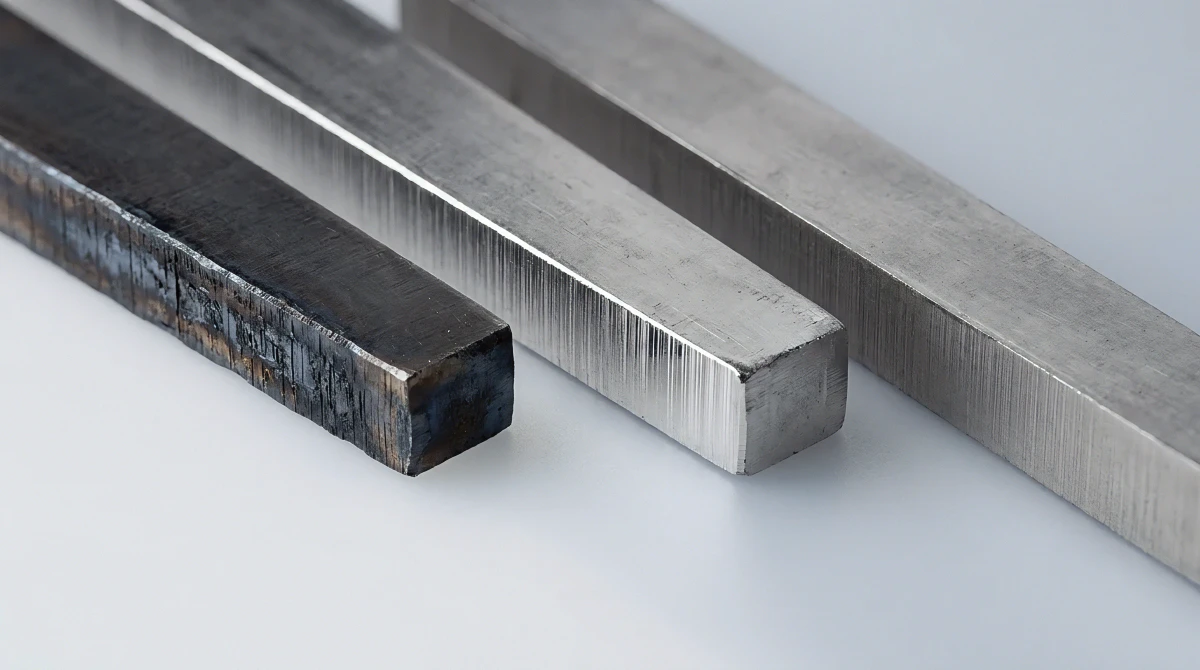
The color of a laser edge is a record of the gas that cut it. Bright metal points to nitrogen with little oxygen. Straw yellow points to oxygen leaking into a nitrogen cut, which Linde ties to low gas purity. Dark gray points to oxygen or air doing the cutting. A first-piece check of edge color on stainless and aluminum confirms the gas setup.

Bend Risk

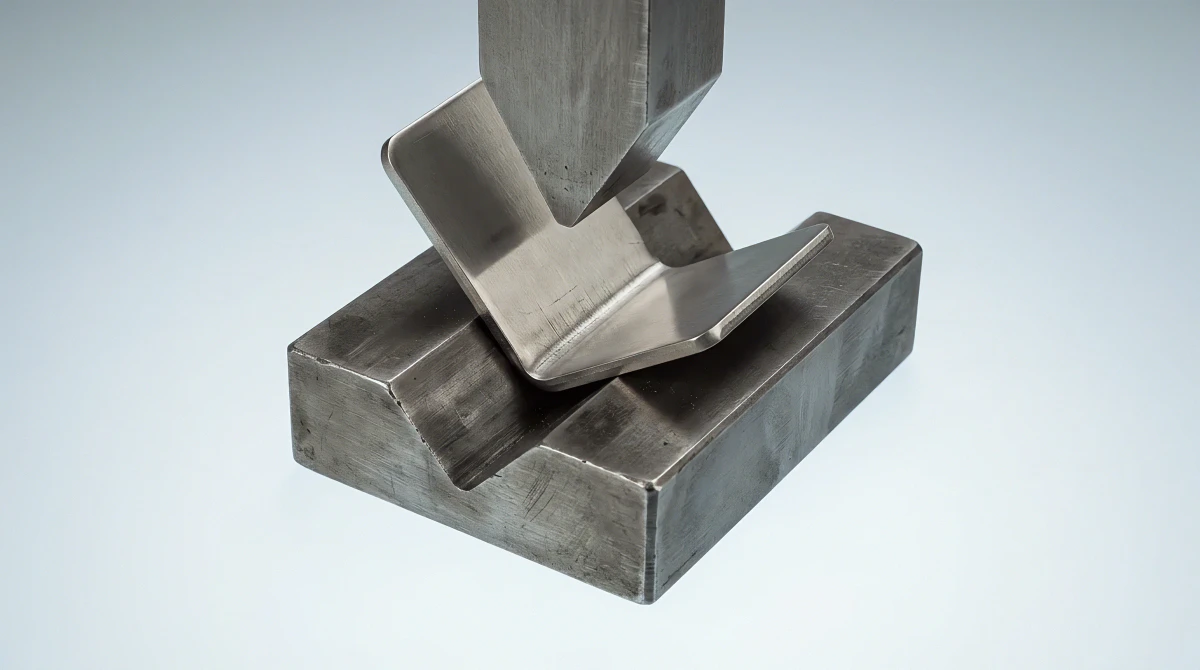
An oxide edge also matters at the brake. A flame or oxygen cut edge on thick plate is oxidized, and laser and flame cuts leave hardened edges. At the outside of a tight bend, such an edge starts cracks sooner than a clean one. SSAB recommends deburring thermal cut edges before bending.

Weld Entry

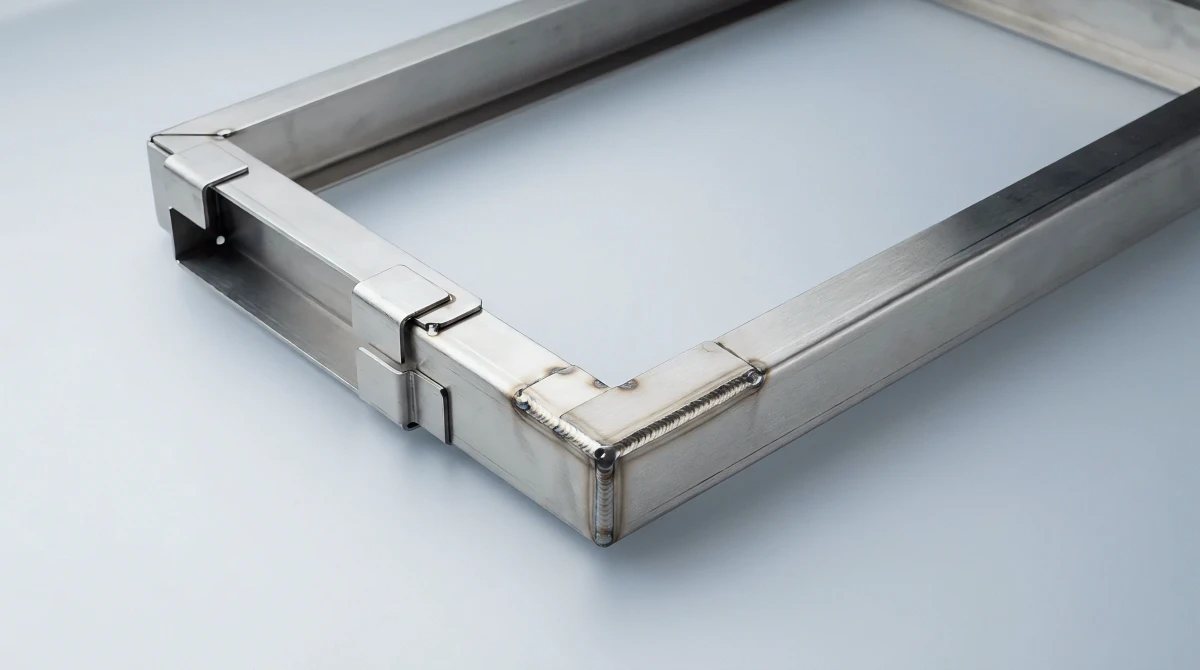
Oxide on a cut edge that is welded as cut enters the weld pool. The weld then carries oxide unless the edge is cleaned first. The cutting gas is therefore stated on any part welded at its cut edge. A part that stays hidden, such as a bracket painted black, can take the oxide edge as it comes.

Measuring Surface

ISO 9013 measures cut quality on surfaces free of oxide. Its measurements are made on brushed cuts, away from the start, the end and the piercing area. A drawing that relies on its ranges therefore accepts that scale is removed before the edge is read.

Colored Film

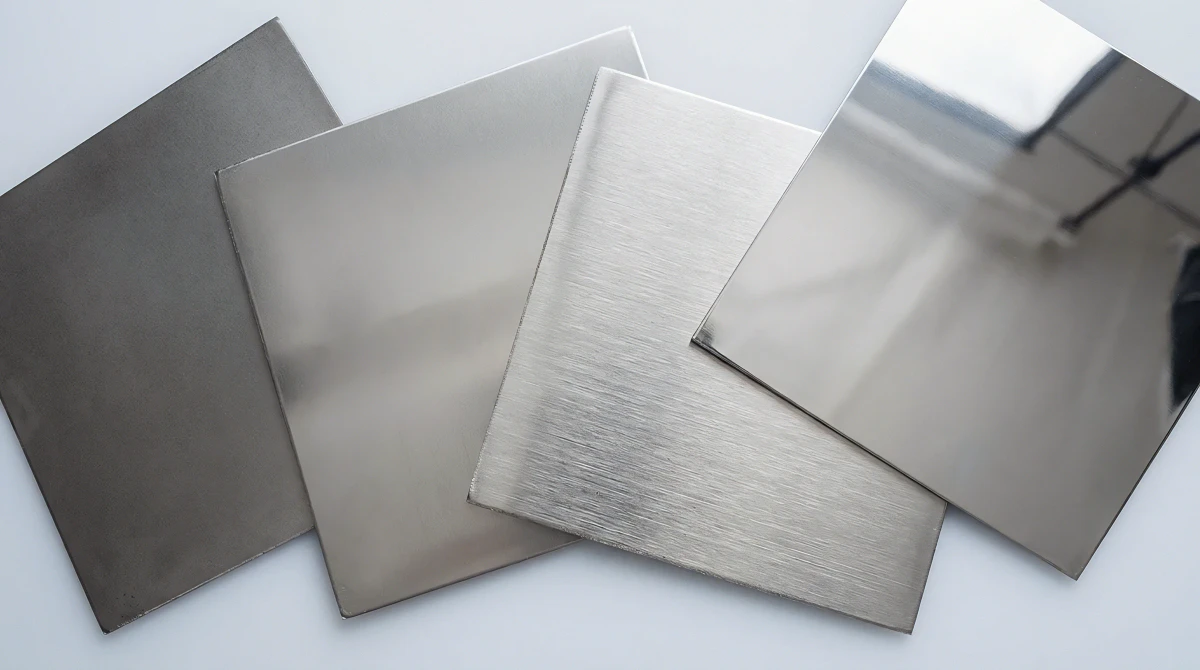
Electrolytic coloring builds a transparent chromium oxide film on stainless, 0.02 to 0.36 µm (0.8 to 14 µin) thick. The color passes through bronze, gold, red, purple, blue and green as the film grows. No pigment is involved, so the color survives bending, though it thins and pales at the bend. Euro Inox states that stainless colored this way cannot be welded without destroying the colored surface. Welds on a colored part are therefore planned before the coloring.
Sheet Metal Inspection From First Article to Batch Release

Measure the first part against every requirement, then release each lot on a defined sample, with weld, coating and hardware checks tied to their standards.

First Article Inspection for Sheet Metal PartsA first article inspection measures the first part made by the production process against every requirement on the drawing and records the result. In aerospace the practice has its own standard, SAE AS9102, whose scope is to establish the baseline requirements for performing and documenting a first article inspection.

Press Brake Bending of Sheet Metal From Die Opening to Final Angle

A press brake bend is decided by the die opening, which sets radius, flange length, springback and the flat pattern, so the first piece carries every assumption of the lot.

How a Press Brake Forms a Bend in AirMost sheet metal is bent by air forming. The punch pushes the sheet into a V-shaped die, and the sheet touches only three points: the two shoulders of the die and the tip of the punch.

Laser Cutting Sheet Metal With Oxygen, Nitrogen or Air Assist Gas

Oxygen, nitrogen and air each leave a different edge on laser cut sheet, and the choice of gas settles speed, finishing work and what the next process accepts.

Which Assist Gas Cuts Which Sheet MetalThree gases cover almost all sheet work: oxygen, nitrogen and compressed air. Oxygen belongs to carbon and low-alloy steel, nitrogen to stainless steel and aluminum, and air sits between them as the cheaper trade for thin parts that tolerate a slightly darker edge.

ISO 9013 Laser Cut Edge Quality Ranges for Squareness and Roughness

Pick a squareness range and a roughness range by thickness, add the dimensional class, and agree how thin sheet is measured.

What the ISO 9013 Ranges Tell You About a Laser Cut EdgeISO 9013:2017 presents geometrical product specifications and quality tolerances for thermal cuts in materials suitable for oxyfuel flame cutting, plasma cutting and laser cutting. Its scope runs from 3 mm to 300 mm for flame cuts, 0.5 mm to 150 mm for plasma cuts and 0.5 mm to 32 mm for laser cuts.

Request a Sheet Metal Quote

Send the 2D drawing and the 3D file, with the quantity and the stage of the project. An engineer replies within 1 working day.

The quote form, the mutual NDA and the private folder for your files are on Protolis Atelier, with Sheet Metal chosen.

Request a Quote