Deburring

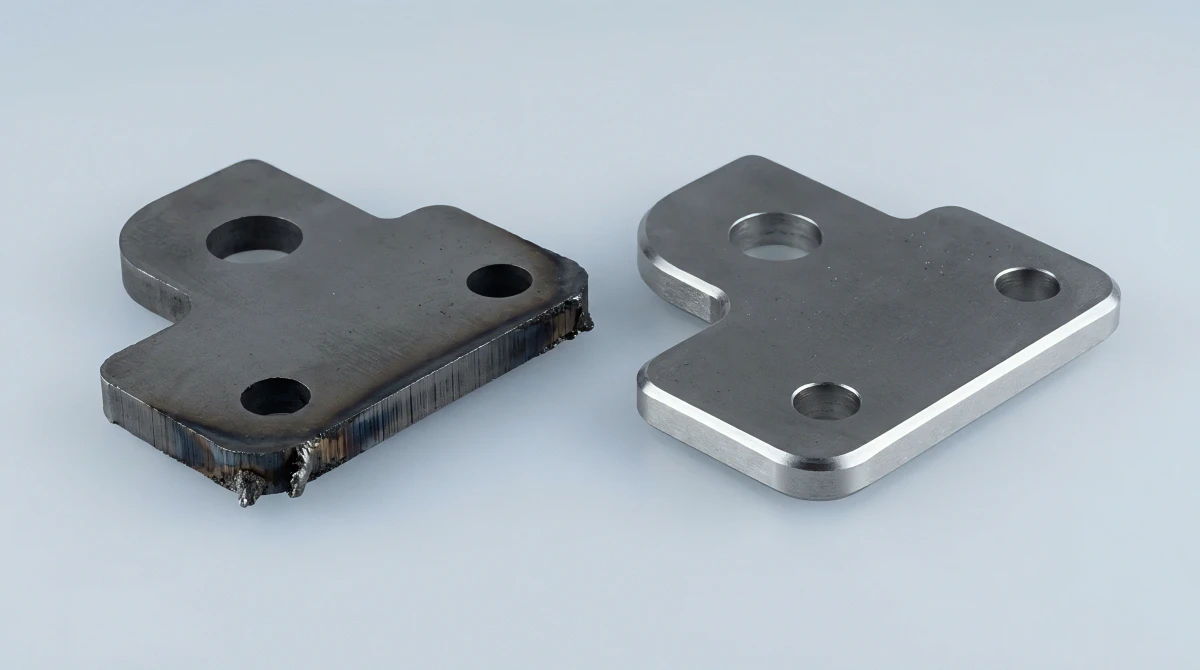
Deburring is removing the burr, dross and sharp corner a laser, punch or shear leaves on a cut edge, and often rounding the edge to a stated radius.

Every Deburring article of the Sheet Metal Resources, newest first, each written from published standards, research and makers’ data.

Meaning

Deburring is removing the burr, dross and sharp corner a laser, punch or shear leaves on a cut edge, and often rounding the edge to a stated radius. The word means different things to different shops, which is why a drawing note names the edges, the sides and the radius. ARKU, a deburring machine maker, separates deburring from edge rounding and surface finishing.

Sequence

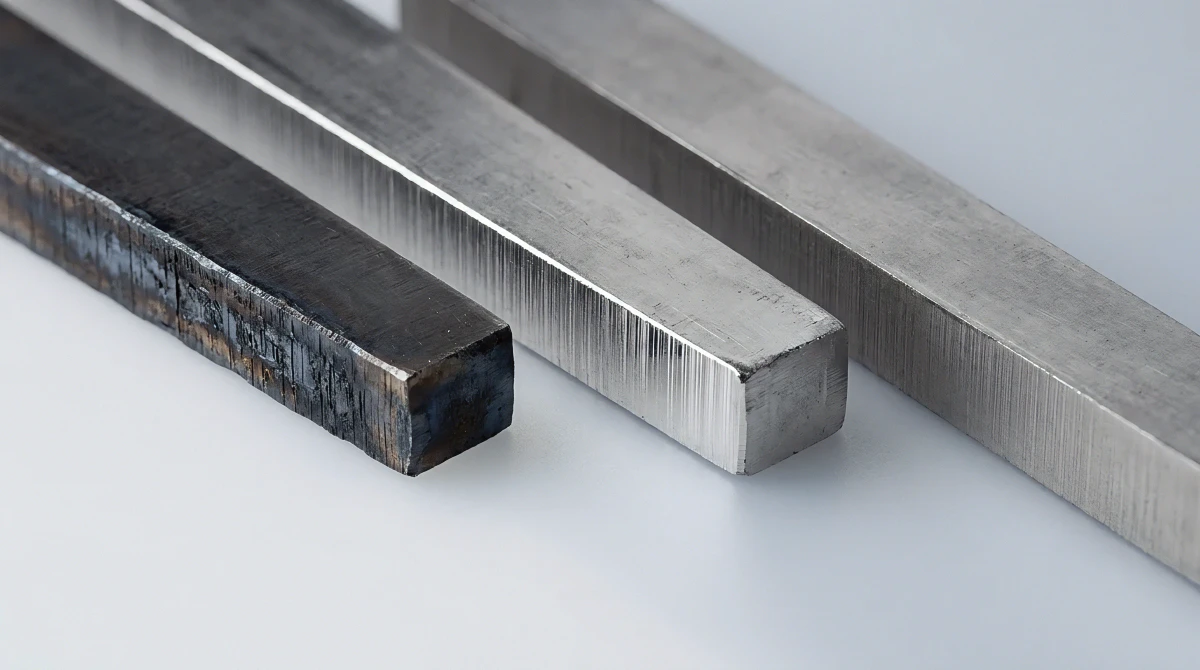
Slag comes off first, then the burr, then the oxide layer on oxygen-cut steel that will be painted or welded, then the edge is rounded and the faces finished last if at all. ARKU’s guide notes that a wide grinding belt can leave a secondary burr, and that oxide removal is not needed on parts made only of stainless steel or aluminum.
Read More

Edge Radius

ARKU puts the most common radius on laser-shop orders at 0.2 to 0.5 mm (0.008 to 0.020 in). Rounded edges protect people and cables, and help paint, powder and zinc hold at the corner. Manual deburring with a file or grinder takes about ten times as long as a machine, by ARKU’s estimate.

Where Not to Deburr

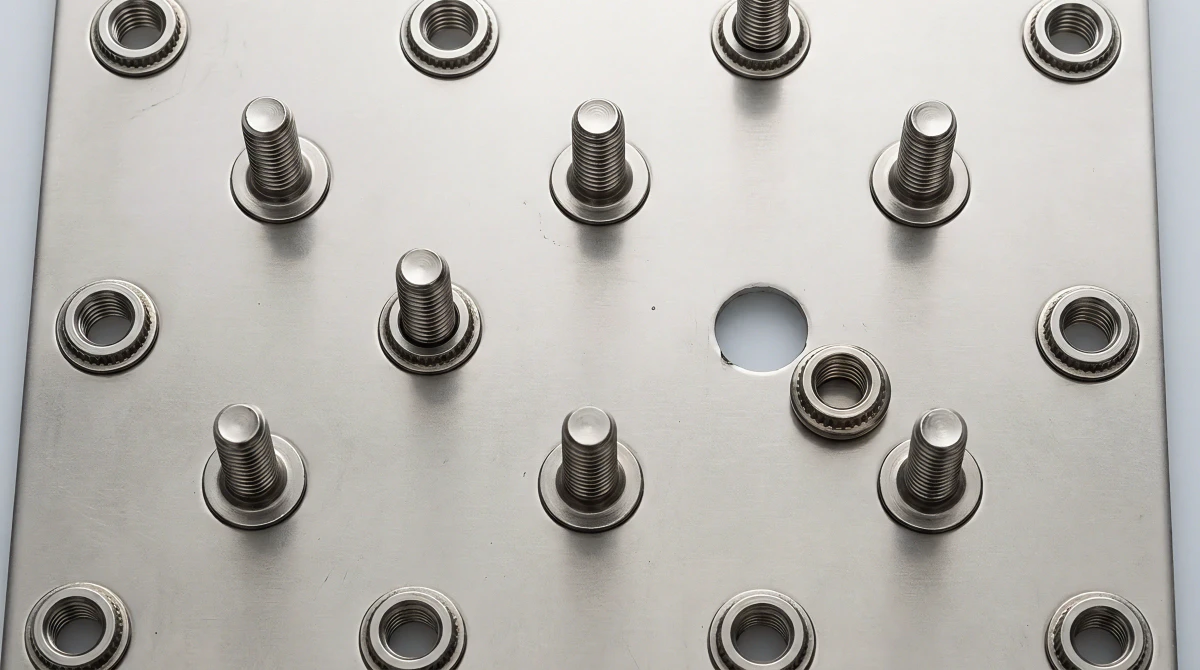
PEM’s installation guidance says not to deburr the mounting holes for self-clinching fasteners on either side, because deburring removes the metal the fastener needs to clinch; a blanket note on the drawing would contradict the hardware. ISO 1461, by contrast, asks for laser-cut edges to be ground and sharp edges removed before galvanizing.

Inspection

The Fabricator calls manual deburring subjective; machines with set parameters and wear compensation give consistent results, and the first parts of a batch are checked edge by edge against the note.
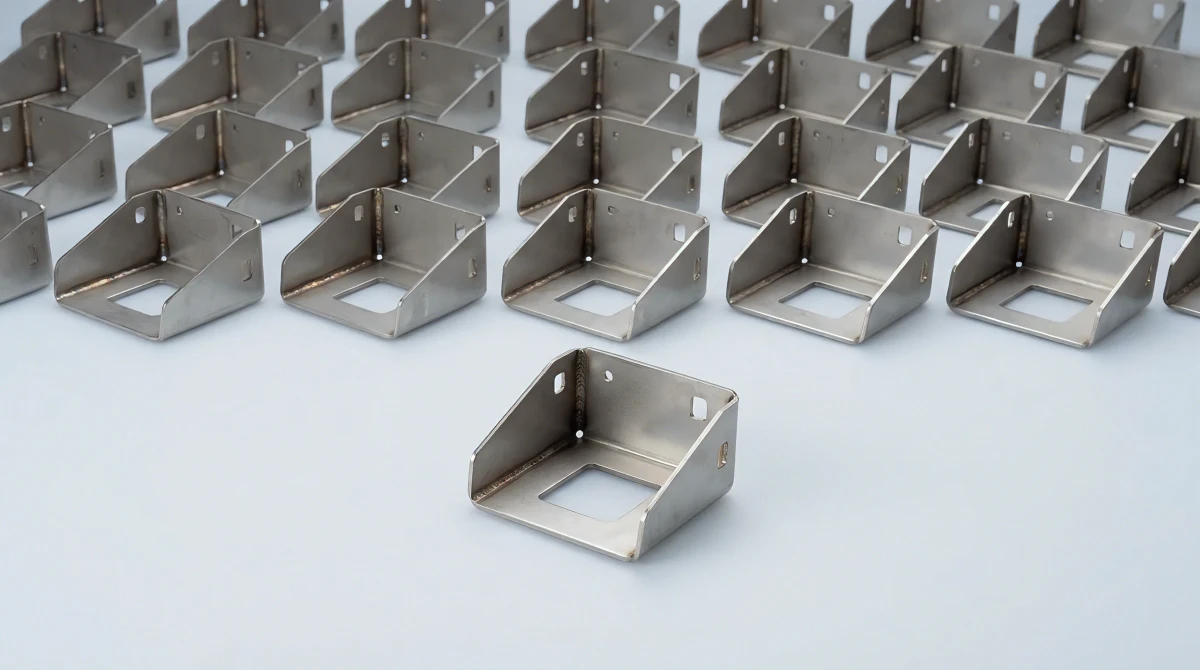
Sheet Metal Inspection From First Article to Batch Release

Measure the first part against every requirement, then release each lot on a defined sample, with weld, coating and hardware checks tied to their standards.

First Article Inspection for Sheet Metal PartsA first article inspection measures the first part made by the production process against every requirement on the drawing and records the result. In aerospace the practice has its own standard, SAE AS9102, whose scope is to establish the baseline requirements for performing and documenting a first article inspection.

Inserting Self-Clinching Fasteners in Sheet Metal Step by Step

Cut the hole to size without deburring, check the sheet is soft enough, finish the panel, then squeeze the nut in parallel until its head meets the sheet.

How a Self-Clinching Nut Locks Into Thin SheetInstallation takes three moves. First a hole of the specified size is punched or drilled, the nut's shank is placed in it, and a press squeezes nut and sheet between parallel surfaces until the head meets the sheet.

Laser Cutting Sheet Metal With Oxygen, Nitrogen or Air Assist Gas

Oxygen, nitrogen and air each leave a different edge on laser cut sheet, and the choice of gas settles speed, finishing work and what the next process accepts.

Which Assist Gas Cuts Which Sheet MetalThree gases cover almost all sheet work: oxygen, nitrogen and compressed air. Oxygen belongs to carbon and low-alloy steel, nitrogen to stainless steel and aluminum, and air sits between them as the cheaper trade for thin parts that tolerate a slightly darker edge.

Request a Sheet Metal Quote

Send the 2D drawing and the 3D file, with the quantity and the stage of the project. An engineer replies within 1 working day.

The quote form, the mutual NDA and the private folder for your files are on Protolis Atelier, with Sheet Metal chosen.

Request a Quote