Meaning
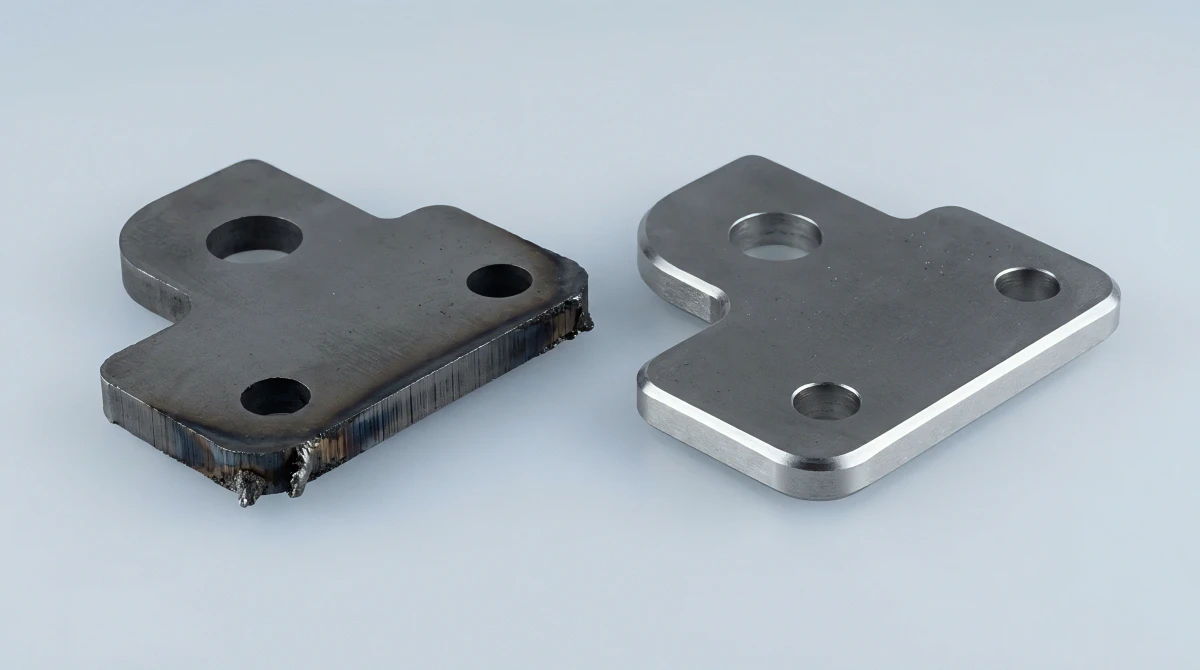
Oxygen is the active assist gas for carbon and low-alloy steel, burning the metal and adding heat to the laser cut. It cuts thick steel at low pressure. It also leaves a scaled, oxidized edge that later steps have to deal with. Its choice is cheapest to make before the nest is released.Pressure and Focus
Oxygen cuts at a fraction of the pressure nitrogen needs. GWEIKE uses 0.5 to 0.7 bar (7 to 10 psi) for most carbon steel. From 25 mm (0.98 in) its table asks for 1.0 to 1.5 bar (15 to 22 psi). Linde gives about 20 bar (290 psi) as the ceiling for the thinnest 2 to 3 mm (0.08 to 0.12 in) sheet. The focus sits above the surface, and a smaller nozzle bore suits it.Read More
Speed Behavior
At 10 mm (0.39 in), GWEIKE’s 6 kW and 12 kW machines cut at the same 2.0 to 2.3 m/min (79 to 91 in/min). The burning reaction, not the beam, sets that pace. From 16 mm (0.63 in), the larger machine pulls ahead.Edge and Pierce
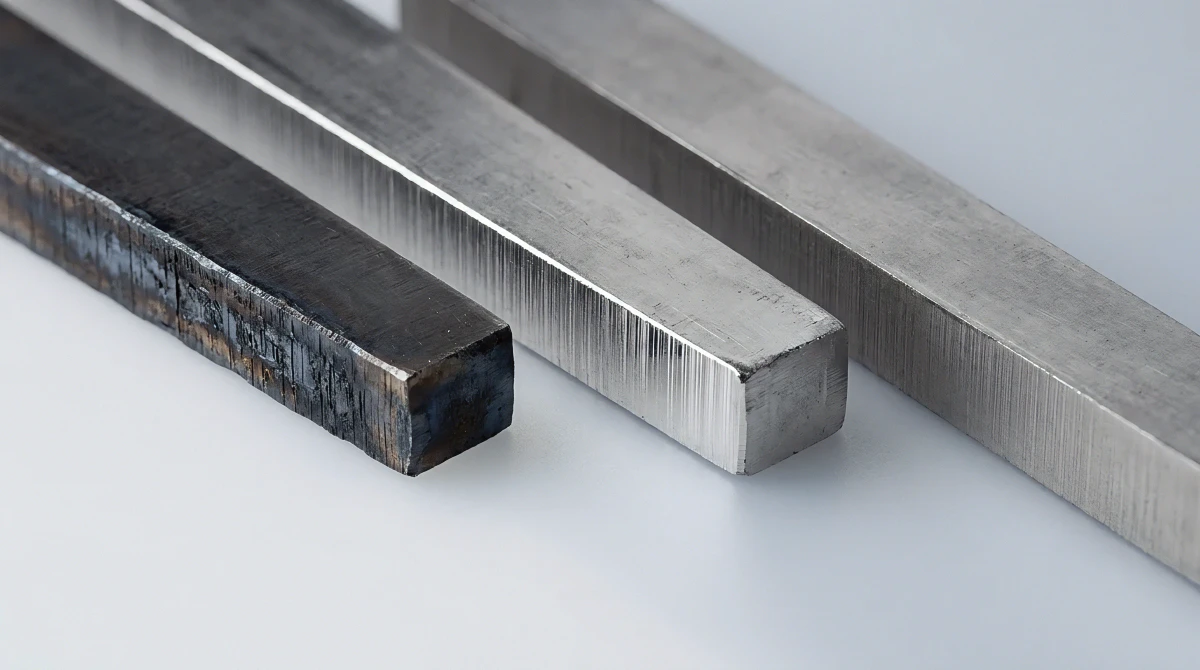
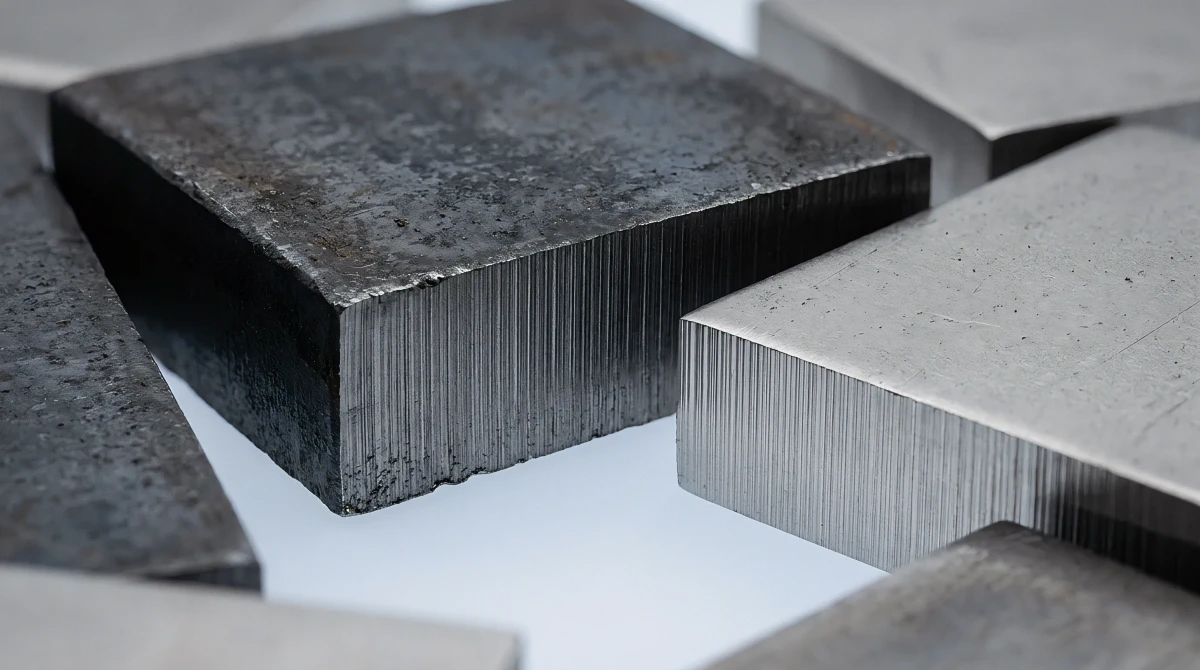
An oxygen edge is scaled and needs rework before painting or galvanizing. Shop experience in All About Industries says 0.1 bar (1.5 psi) less oxygen often removes burnt corners. A thick plate pierce uses oxygen in stages. GWEIKE’s 22 mm (0.87 in) example starts at 1.0 bar (15 psi) and steps down to 0.6 bar (9 psi).In Other Gases
Air is about one fifth oxygen, so it acts as a weak oxygen cut. In a nitrogen cut, oxygen as an impurity yellows the stainless edge. Air Liquide lists nitrogen with 5 % oxygen as a middle step for low-alloy steel.Weld Link
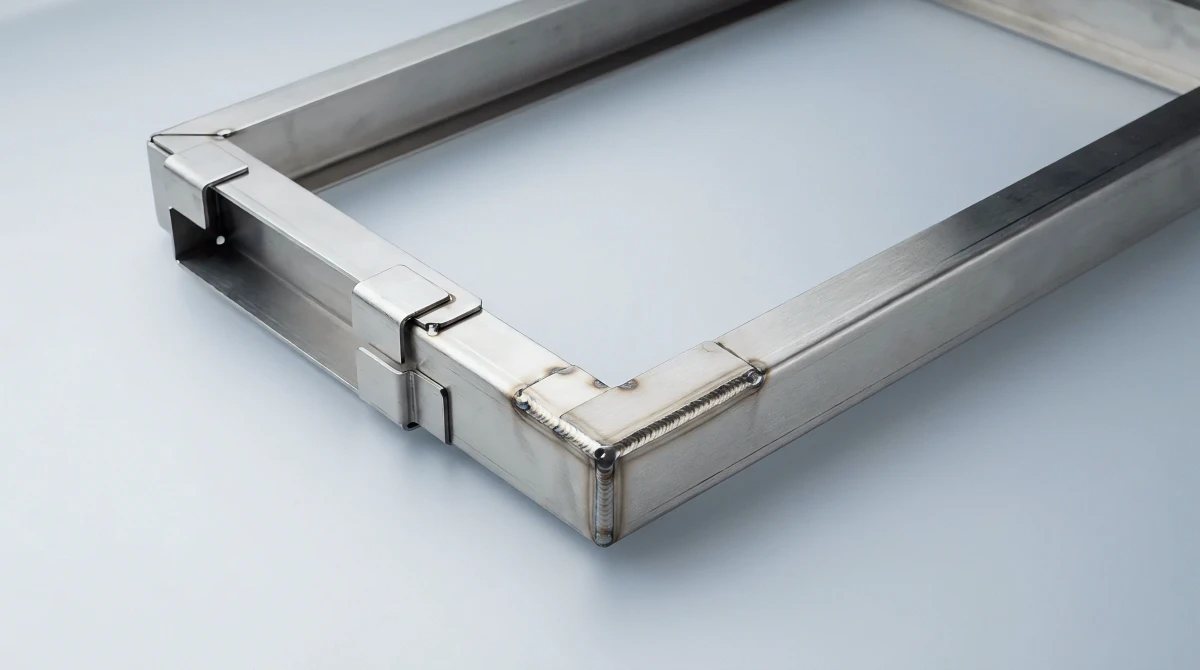
A part welded at an oxygen-cut edge carries oxide into the pool unless cleaned. The cutting gas is therefore stated on such parts.