Tolerance

Every Tolerance article of the Sheet Metal Resources, newest first, each written from published standards, research and makers’ data.

Thickness, Cut and Bend

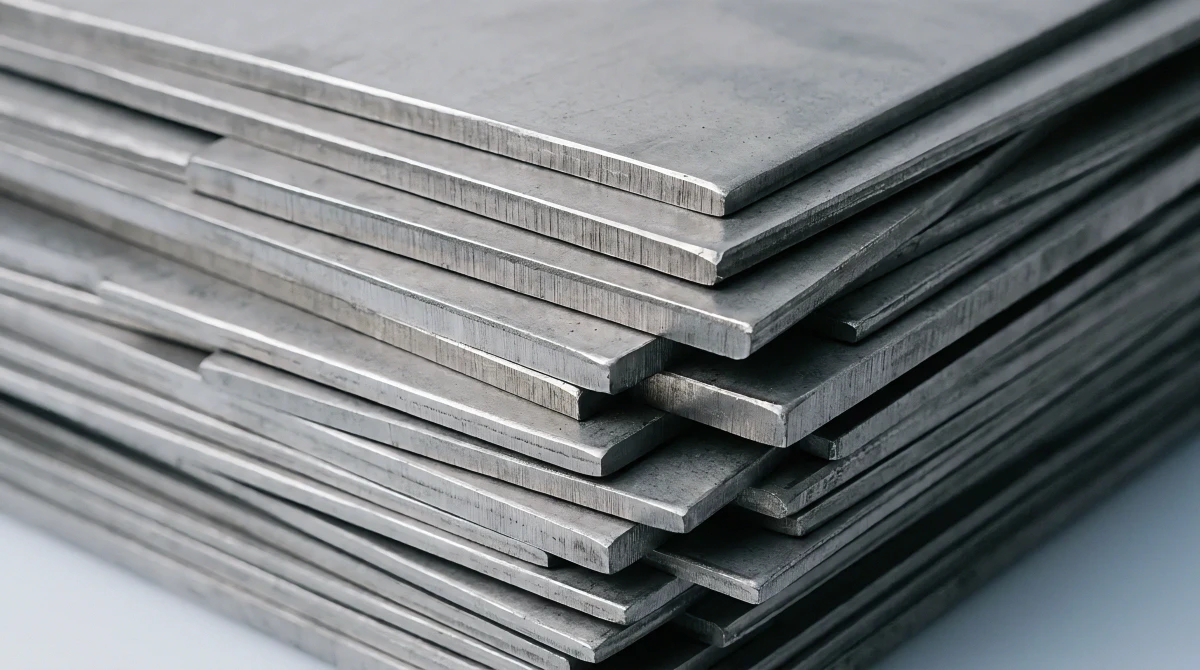
What sheet metal holds before and after the cut and the bend. EN 10131 sets the thickness of cold rolled steel, ISO 9013 classes limit a laser cut part, and the sheet’s flatness decides how it sits on the brake. Bend angle, flange length and the smallest bend radius for each material and thickness finish the part’s size.

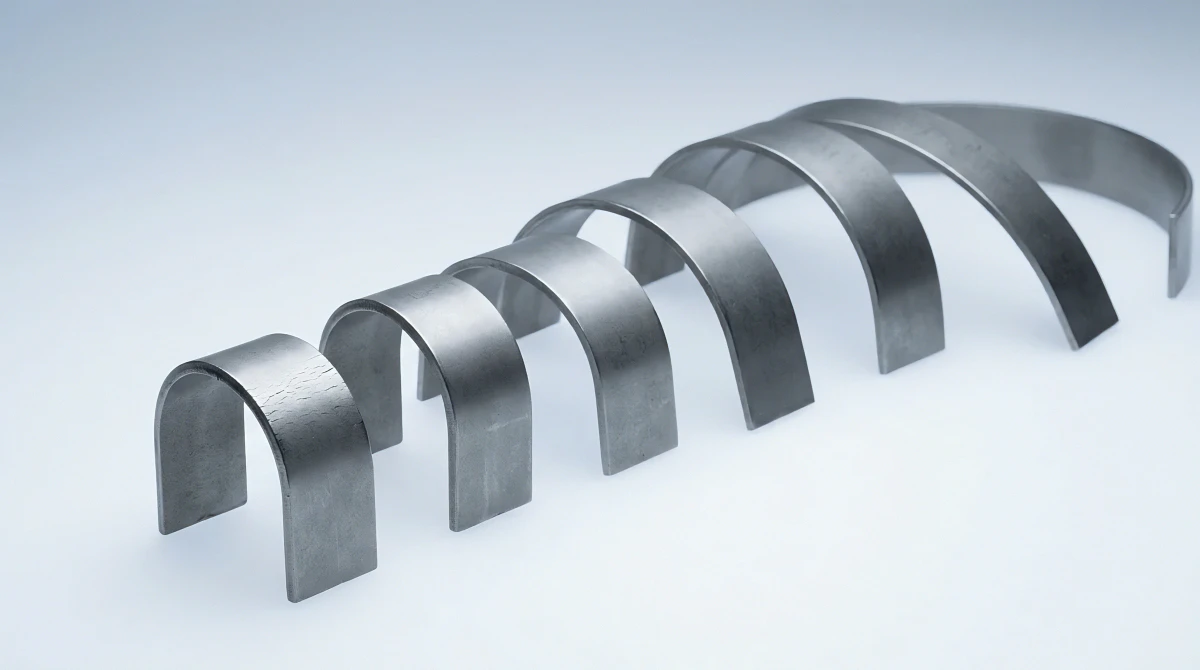
Minimum Bend Radius by Sheet Material and Thickness

Take the minimum bend radius from the maker's table for the exact grade, temper, thickness and bend direction, then draw the radius the die forms.

Minimum Inside Bend Radius Values for Steel SheetSteel makers print the minimum as a multiple of thickness, t, and the multiple rises with strength and with thickness. The two hot-rolled cold-forming ranges below are the clearest published sets; mild cold-rolled steels such as DC01 come with formability figures but, in the makers' datasheets cited here, no printed radius.
Bend Angle and Flange Length Tolerance on Press Brake Parts

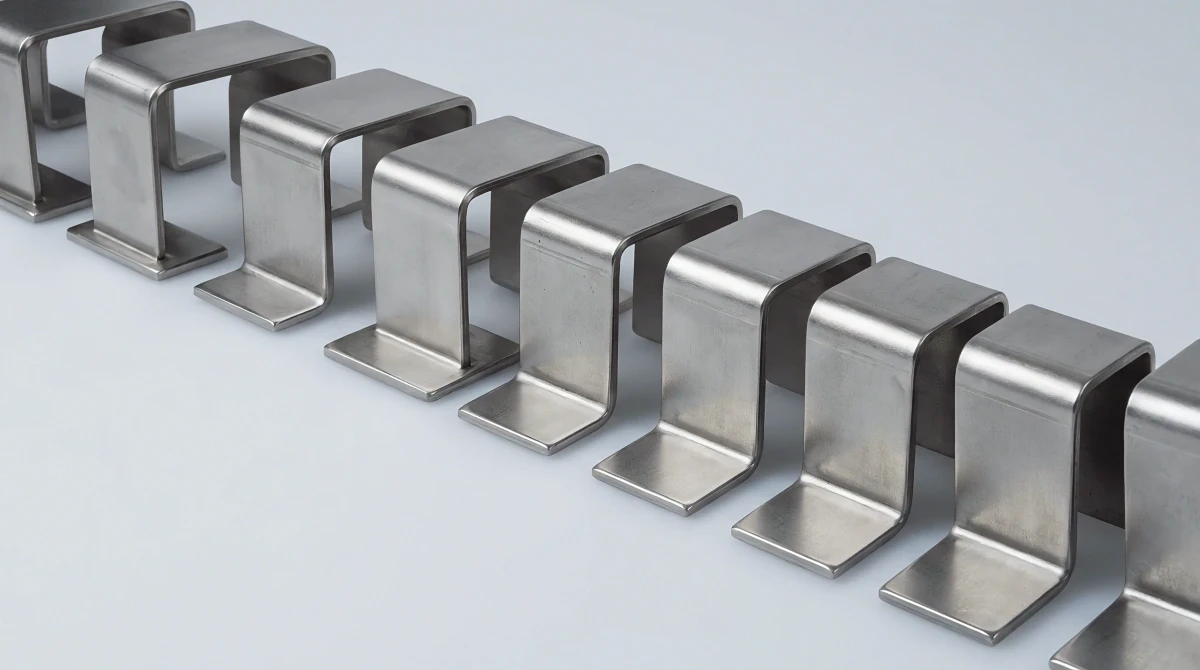
Set the bend angle tolerance from the position the flange tip has to reach, and control sheet thickness, die width and the flat pattern behind it.

Bend Angle and Flange Length Tolerance ValuesThere is no single tolerance for bent sheet metal. Durmapress says so plainly and offers planning ranges per operation instead, warning that they are a guide only and move with the material, thickness, size of part, machine, state of the tooling, number of operations and the way parts are inspected.

Steel Sheet Flatness Tolerance Before Cutting and Bending

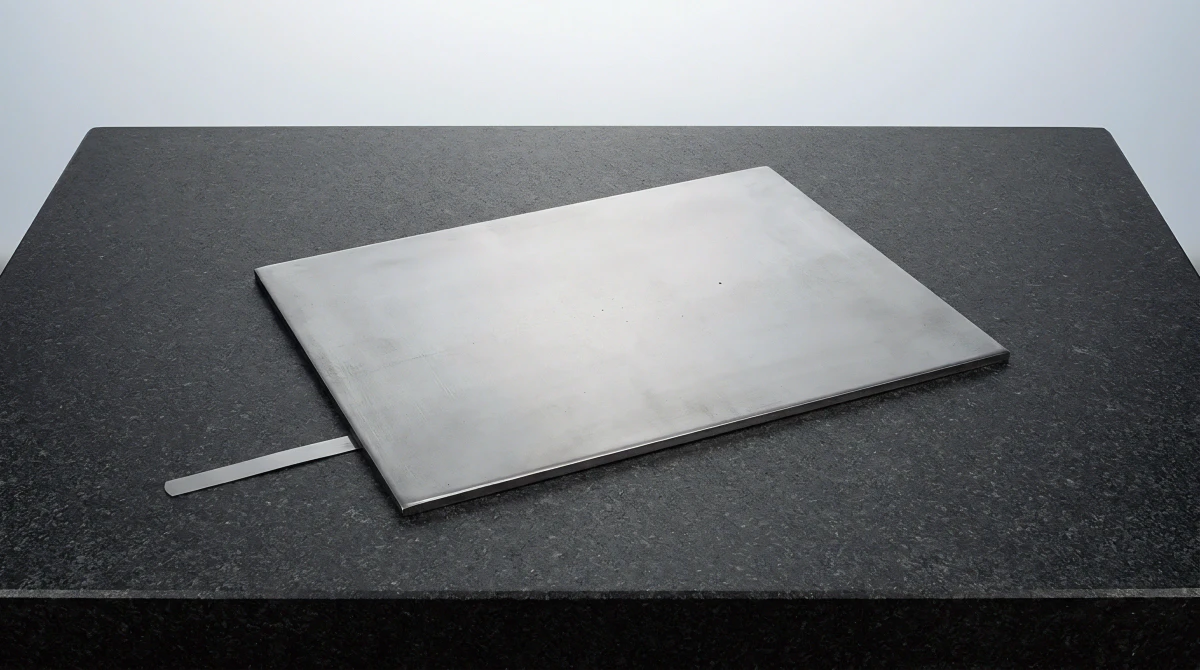
Read flatness by thickness, width and strength class, specify normal or special, and keep parts clear of the edge wave strip.

What a Flatness Tolerance Covers Before the First CutIn the EN 10131 and EN 10051 tables, as ArcelorMittal prints them, flatness is a maximum deviation in millimeters, and the tables apply to sheet, not to coil. The extract does not describe the set-up used to measure it.

Laser Cut Part Dimensional Tolerance Under ISO 9013 Class 1 and Class 2

Pick the tighter or looser dimensional class per feature, read inside and outside sizes at their extremes, and anchor fit features to each other.

What Dimensional Tolerance Class 1 and Class 2 Cover on a Laser Cut PartISO 9013:2017 applies to laser cuts from 0.5 mm to 32 mm in thickness. Its clause 8 gives limit deviations for nominal dimensions in two classes, listed in Table 6 for class 1 and Table 7 for class 2.

Cold Rolled Steel Sheet Thickness Tolerance Under EN 10131

Choose the tolerance column by what the part does with a thickness error, and write the strength class and column on the order.

What EN 10131 Allows on the Thickness of a Cold Rolled SheetEN 10131 covers cold rolled flat products of uncoated and electrolytically coated steel, and ArcelorMittal's tolerance tables reproduce its thickness limits as guarantees. The tables run from 0.35 mm to 3.00 mm and apply per nominal thickness band, per width class and per yield strength class.

Request a Sheet Metal Quote

Send the 2D drawing and the 3D file, with the quantity and the stage of the project. An engineer replies within 1 working day.

The quote form, the mutual NDA and the private folder for your files are on Protolis Atelier, with Sheet Metal chosen.

Request a Quote