Meaning
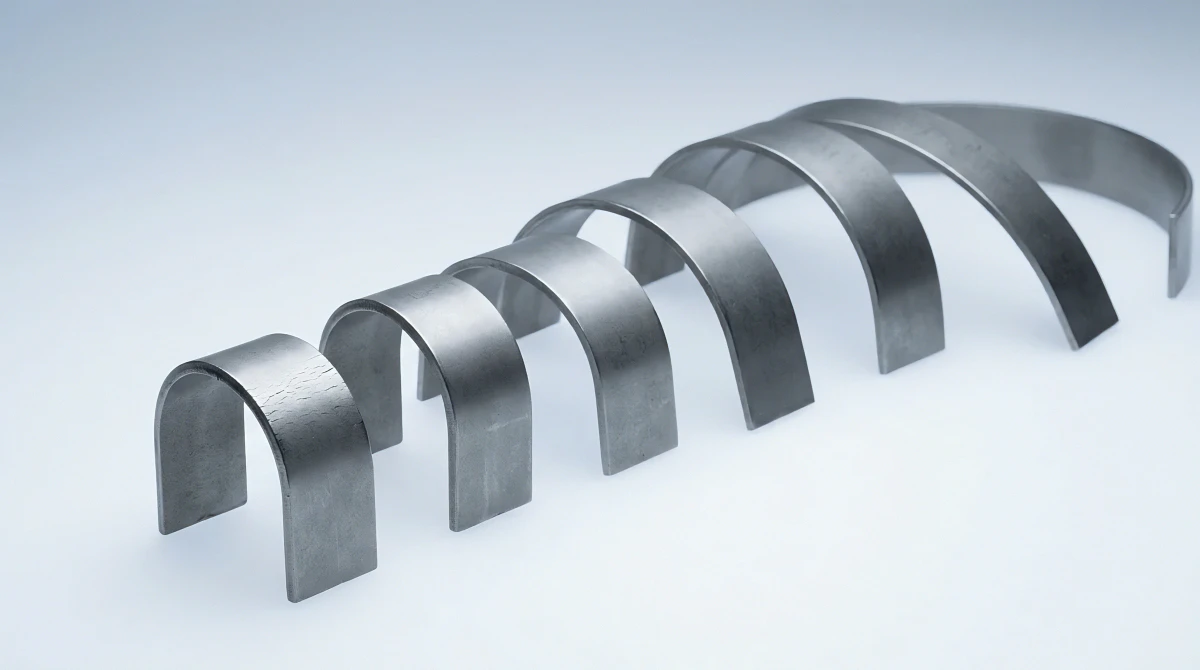
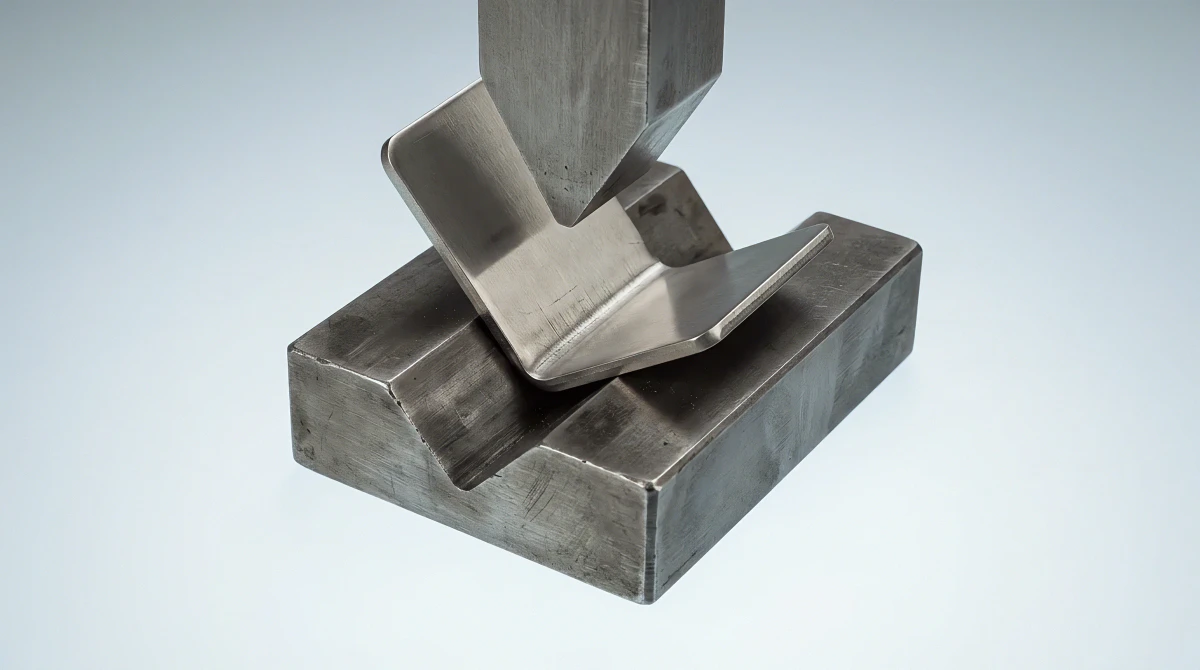
Springback is the angle a bend opens by when the punch lifts, as the sheet partly recovers from its elastic strain. It is corrected by bending past the target angle, an overbend the control learns from the first piece. It grows with yield strength and with the ratio of radius to thickness. Stainless shows more of it than mild steel.Typical Values
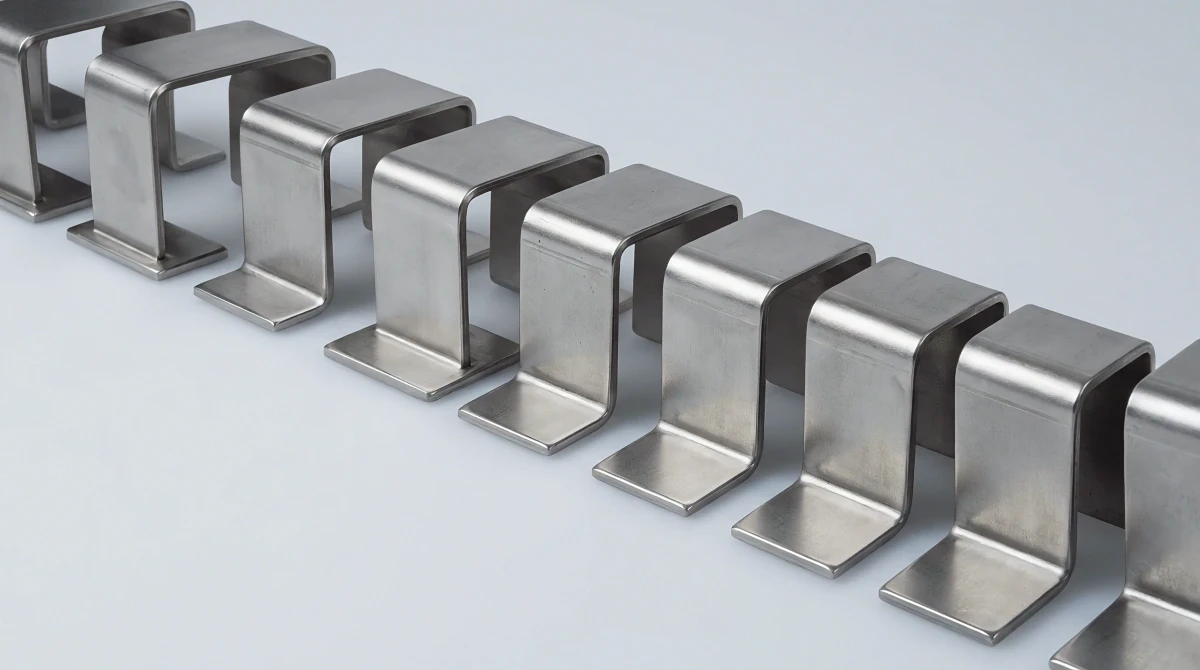
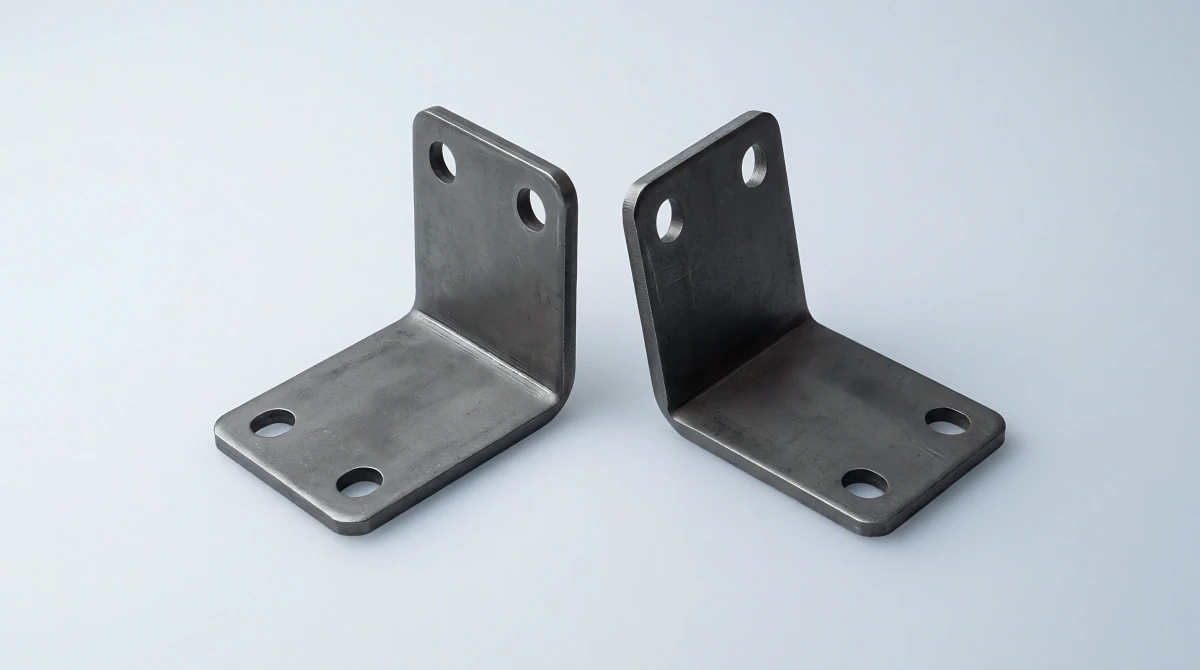
SSAB calculates springback by grade and thickness for a 90 degree bend. For 304 stainless it is 2 to 3 degrees, and for cold rolled steel 0.75 to 1 degree. Hot rolled steel shows 0.5 to 1 degree, and copper and brass 0 to 0.5 degree. Euro Inox gives about 5 degrees of overbend as a starting figure for austenitic stainless. A 304 bracket with 3 degrees of recovery needs the brake to close to about 87 degrees.Read More
Causes
SSAB describes springback as the material returning toward its shape, all of it elastic, set by the level and spread of plastic strain in the bend. In air forming, a wider die raises springback, sharply once the opening passes eight thicknesses. A large radius springs back far more than a tight one.Lot to Lot
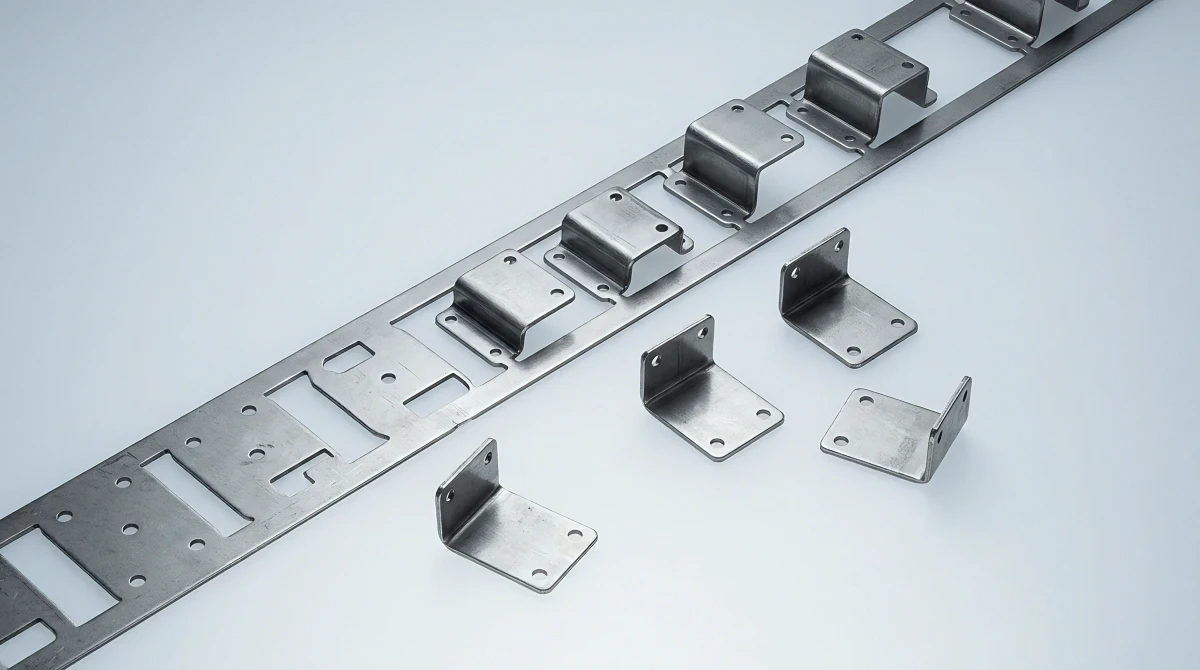
Two coils of the same grade differ in yield, so springback changes with the lot. A batch cut from two lots can differ by a fraction of a degree. On a progressive die, springback is measured again when a new coil lot arrives.No Grade Figure
The published sources give no 316L-specific springback angle by thickness. The 5 degree figure describes the austenitic family, not the grade. That number is found on the first formed piece of the run.