Finish

A finish is the surface condition specified for a sheet part, from the mill surface it arrives with to a brushed, polished or coated face.

Every Finish article of the Sheet Metal Resources, newest first, each written from published standards, research and makers’ data.

Meaning

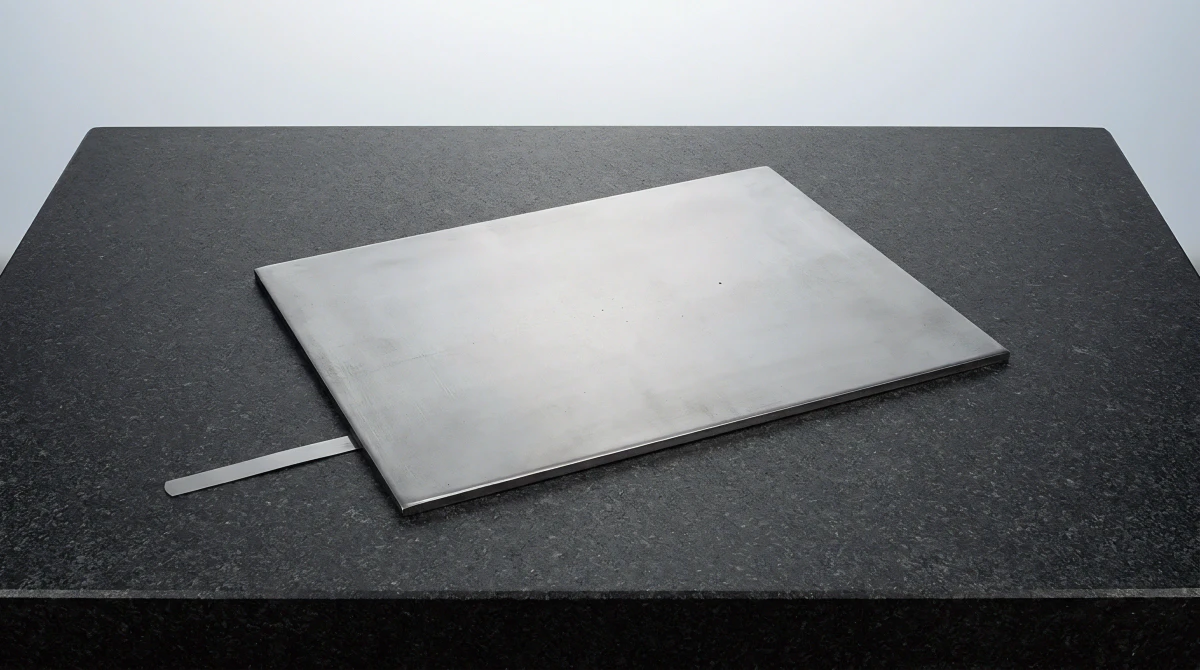
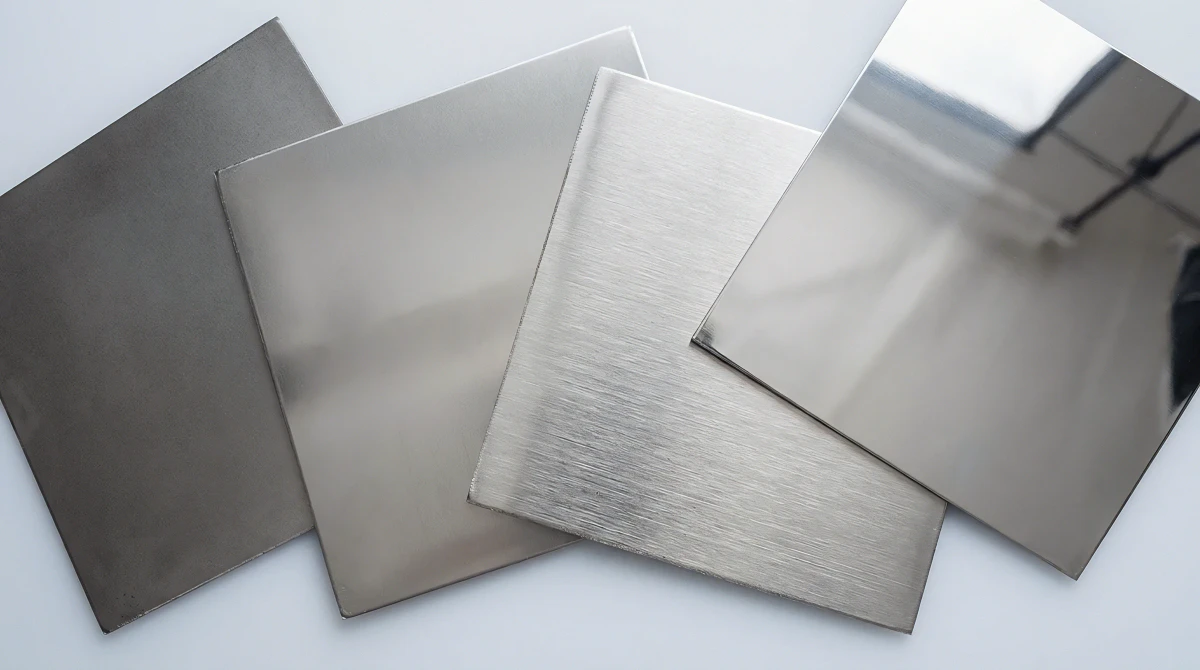
A finish is the surface condition specified for a sheet part, from the mill surface it arrives with to a brushed, polished or coated face. On stainless, EN 10088-2 codes record the mill and mechanical finish. On other metals the finish is usually a coating. Each finish has to survive the cutting, bending and welding that follow.

Mill Starting Point

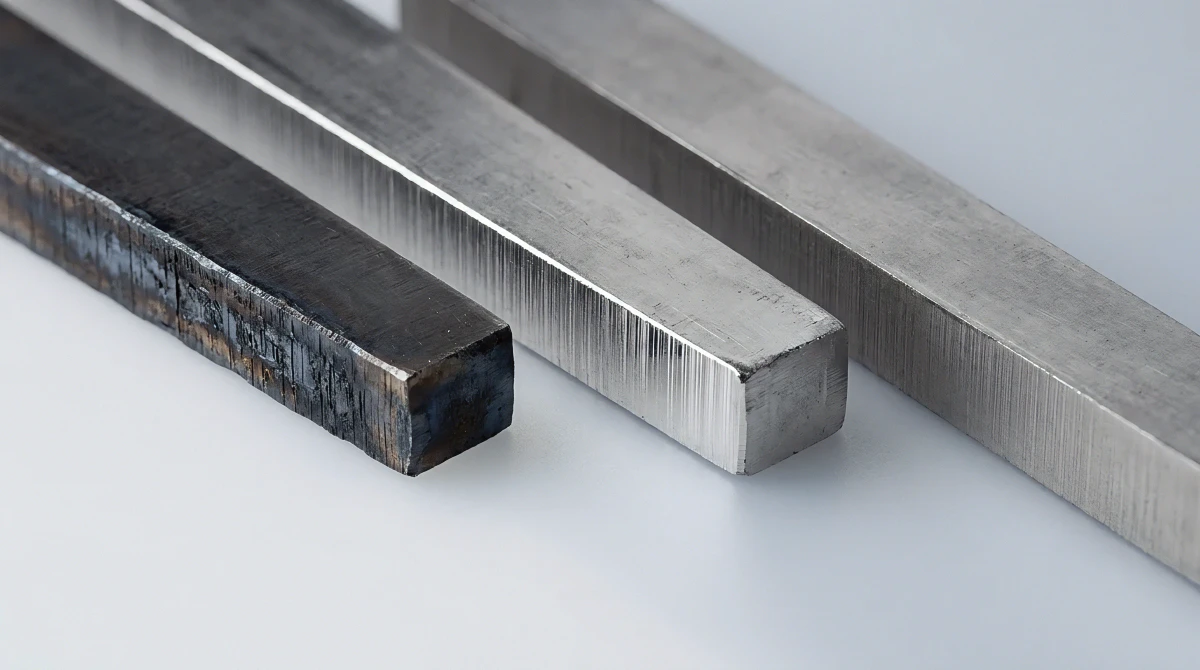
Euro Inox advises choosing the mill finish closest to the final look. Mechanical finishes such as 2J and 2K sit on top of a mill finish. Starting close to the target removes extra polishing steps. Most mechanical finishes are applied to one side only unless agreed at order.
Read More

Through Fabrication

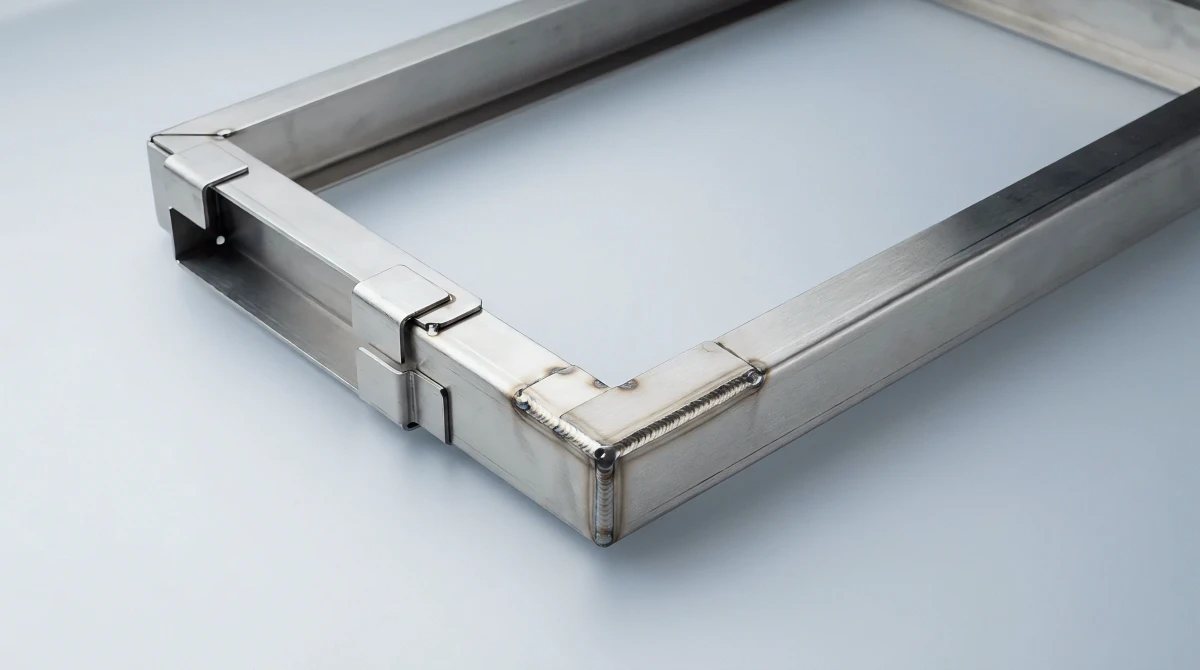
The finish choice reaches back into the shop. Tools kept for stainless only avoid carbon steel contamination of the surface. A seam on a directional finish needs the finish restored at the welded junction. The choice of finish affects how a seam is cleaned and which weld process suits it. Laser edges carry their own surface, unrelated to the face finish.

Cut Edge and Coating

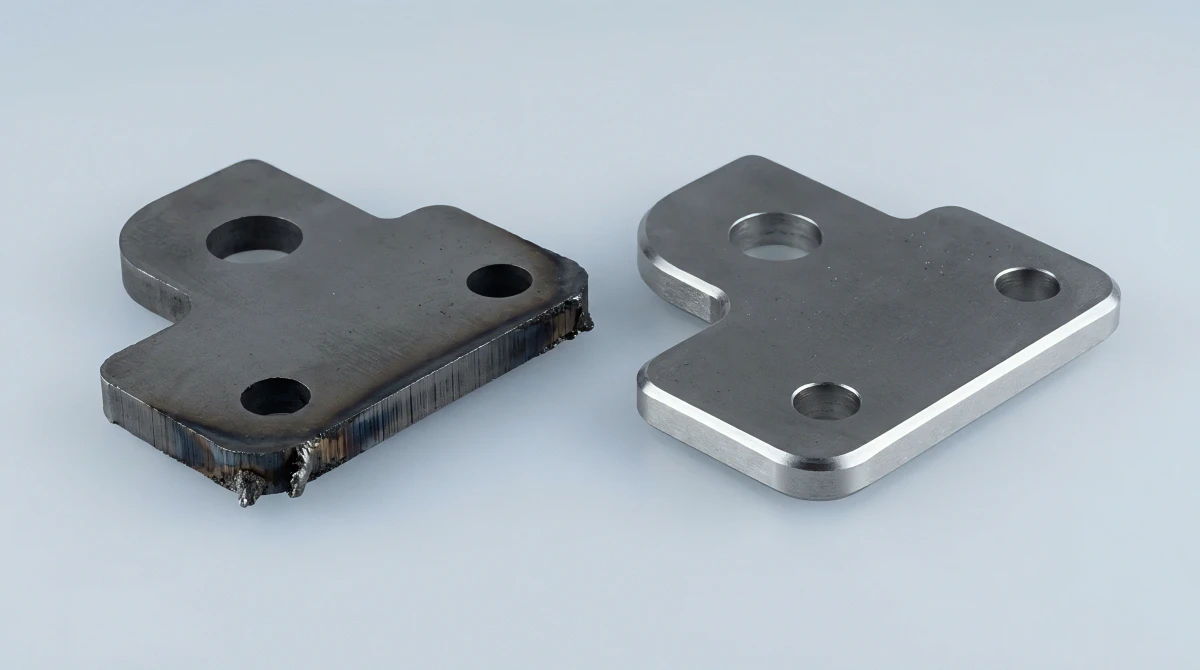
A part headed for powder coat or anodizing needs an edge that takes it. An oxygen-cut edge carries scale that is removed before painting. A nitrogen cut leaves the edge bright and ready. The order therefore states the finish that follows the cut, so the gas is chosen to match.

Flatness Link

Some mill finishes also improve flatness. Euro Inox notes that 2B is common for good corrosion resistance, smoothness and flatness. Its skin pass may be complemented by tension leveling. Pattern rolled finishes stiffen thin sheet and reduce oil canning on large panels.

Order Line

A finish line names the code, the roughness criterion, the finished face and the direction. It also names a reference sample signed by both parties. Euro Inox treats that sample as part of the purchase order.

Inserting Self-Clinching Fasteners in Sheet Metal Step by Step

Cut the hole to size without deburring, check the sheet is soft enough, finish the panel, then squeeze the nut in parallel until its head meets the sheet.

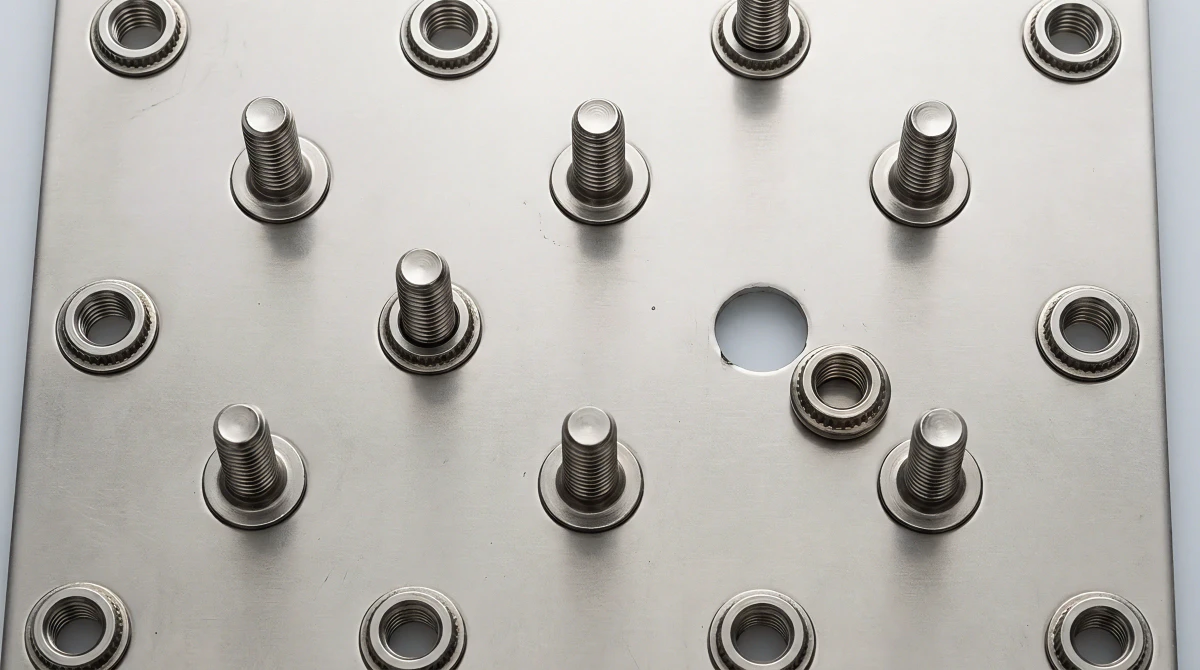
How a Self-Clinching Nut Locks Into Thin SheetInstallation takes three moves. First a hole of the specified size is punched or drilled, the nut's shank is placed in it, and a press squeezes nut and sheet between parallel surfaces until the head meets the sheet.
ISO 1461 Hot-Dip Galvanizing of Fabricated Steel Parts

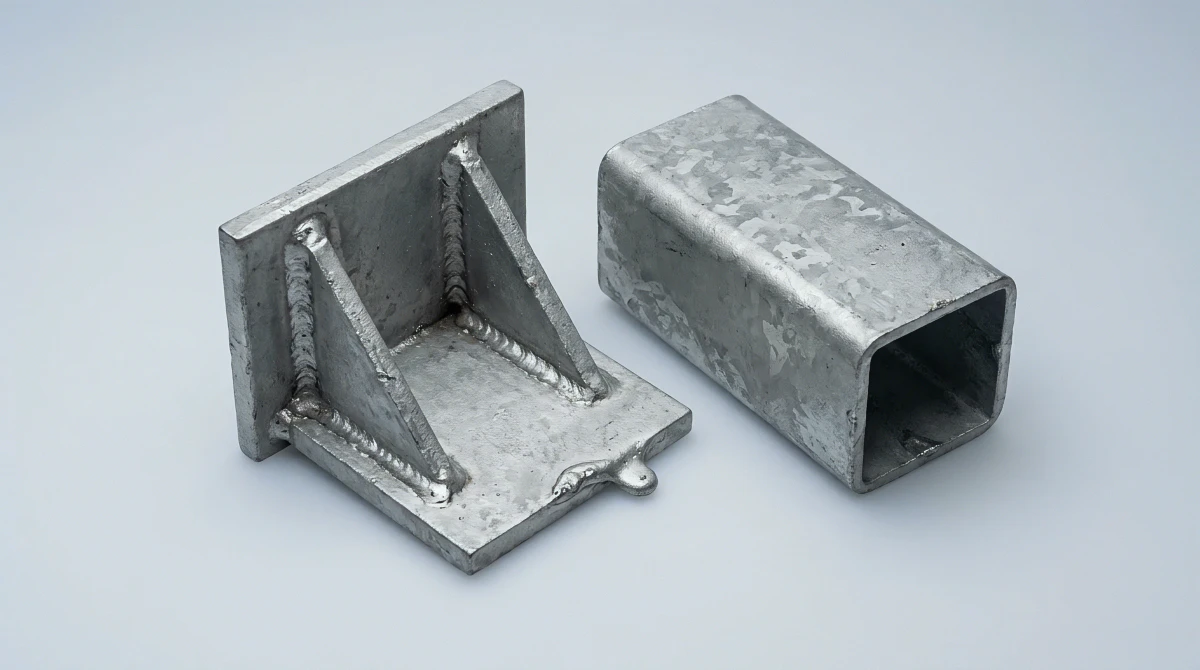
ISO 1461 sets zinc thickness by steel thickness, measures it away from edges, and expects cut edges ground and parts bent before galvanizing.

What ISO 1461 Covers for Cut and Bent Steel PartsISO 1461:2022, the fourth edition, sets out the properties and test methods of zinc coatings formed when finished iron and steel articles, some castings included, are dipped in molten zinc holding at most 2 % of other metals. Its key word is fabricated: the parts are cut, formed and welded first and galvanized afterward in batches, by a company the standard now defines as the galvanizer.

High-Strength Steel Sheet S355 and S420 and the Springback It Brings

Order S355 or S420 for bent parts as the EN 10149-2 MC grade, bend at the recommended radius, and expect more springback than mild steel.

S355 and S420 Sheet Grades in EN 10149-2 and EN 10025-2High-strength sheet for cut and bent parts comes mainly from two European product standards. EN 10025-2 covers non-alloy structural steels, the S235, S275 and S355 families with the JR, J0 and J2 suffixes that set the impact-test temperature.

Cold Rolled DC01 and Hot Rolled S235 Steel Sheet for Cut and Bent Parts

Choose DC01 for thin formed parts that need tight thickness, flatness and a clean surface, and S235 for thicker load-bearing parts, then name the standard on the order.

DC01 and S235 Compared for Laser Cut and Bent Sheet PartsDC01 is a cold-rolled non-alloy mild steel for cold forming under EN 10130, material number 1.0330, which ArcelorMittal describes as having a guaranteed maximum yield and tensile strength, a guaranteed minimum elongation and good formability. S235 is a hot-rolled carbon-manganese structural steel under EN 10025-2, described by the same mill as having a guaranteed minimum yield and tensile strength and satisfactory ductility, in JR, J0 and J2 versions that differ in impact-test temperature.

Laser Cutting Sheet Metal With Oxygen, Nitrogen or Air Assist Gas

Oxygen, nitrogen and air each leave a different edge on laser cut sheet, and the choice of gas settles speed, finishing work and what the next process accepts.

Which Assist Gas Cuts Which Sheet MetalThree gases cover almost all sheet work: oxygen, nitrogen and compressed air. Oxygen belongs to carbon and low-alloy steel, nitrogen to stainless steel and aluminum, and air sits between them as the cheaper trade for thin parts that tolerate a slightly darker edge.

Steel Sheet Flatness Tolerance Before Cutting and Bending

Read flatness by thickness, width and strength class, specify normal or special, and keep parts clear of the edge wave strip.

What a Flatness Tolerance Covers Before the First CutIn the EN 10131 and EN 10051 tables, as ArcelorMittal prints them, flatness is a maximum deviation in millimeters, and the tables apply to sheet, not to coil. The extract does not describe the set-up used to measure it.

316L Stainless Steel Sheet for Laser Cutting and Bending

Choose the molybdenum-bearing low-carbon grade for chloride exposure, plan overbend on the brake, and write the finish and weld tint rules on the drawing.

What 316L Sheet Adds Over 304L in a Cut and Bent PartType 316L is Type 316 with the carbon ceiling lowered from 0.08 % to 0.03 % by weight. Both carry 16.0 to 18.0 % chromium, 10.0 to 14.0 % nickel and 2.00 to 3.00 % molybdenum, according to the Cleveland-Cliffs product bulletin for the two types.

Request a Sheet Metal Quote

Send the 2D drawing and the 3D file, with the quantity and the stage of the project. An engineer replies within 1 working day.

The quote form, the mutual NDA and the private folder for your files are on Protolis Atelier, with Sheet Metal chosen.

Request a Quote