Stainless Steel

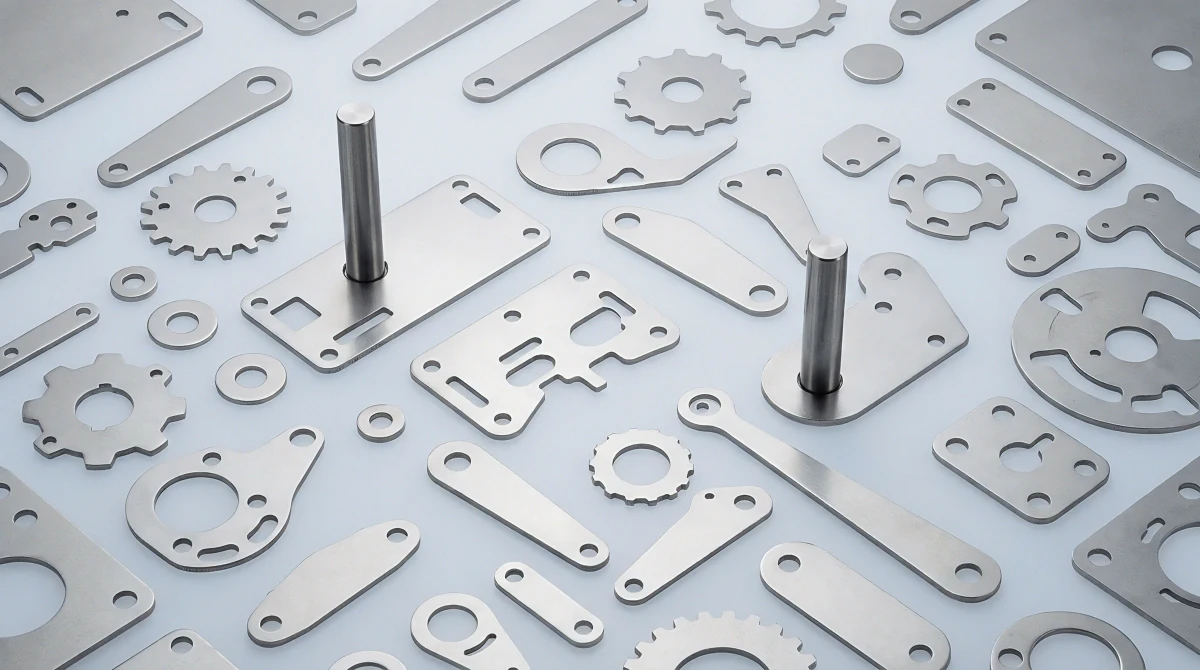
Stainless steel sheet is chromium-bearing steel, such as the austenitic grades 304 and 316 and their low-carbon L versions.

Every Stainless Steel article of the Sheet Metal Resources, newest first, each written from published standards, research and makers’ data.

Meaning

Stainless steel sheet is chromium-bearing steel, such as the austenitic grades 304 and 316 and their low-carbon L versions. Cleveland-Cliffs lists 18.0 to 20.0 % chromium for 304. For 316 it lists 16.0 to 18.0 % chromium with 2.00 to 3.00 % molybdenum. The L grades cap carbon at 0.03 %, which keeps carbides out of the heat-affected zone of a weld. Nearly every step of a stainless part has its own published rule.

Grade Selection

The grade is chosen for the environment before anything else. Euro Inox places 316 (EN 1.4401) on coastal or heavy industrial sites. It places 304 (EN 1.4301) on less demanding exteriors. The molybdenum in 316 is what gives it better chloride and pitting resistance. On the bench the two grades cut and bend about the same, so the difference shows only in service. A fine surface finish does not rescue the wrong grade on a coastal site.
Read More

Laser Cutting

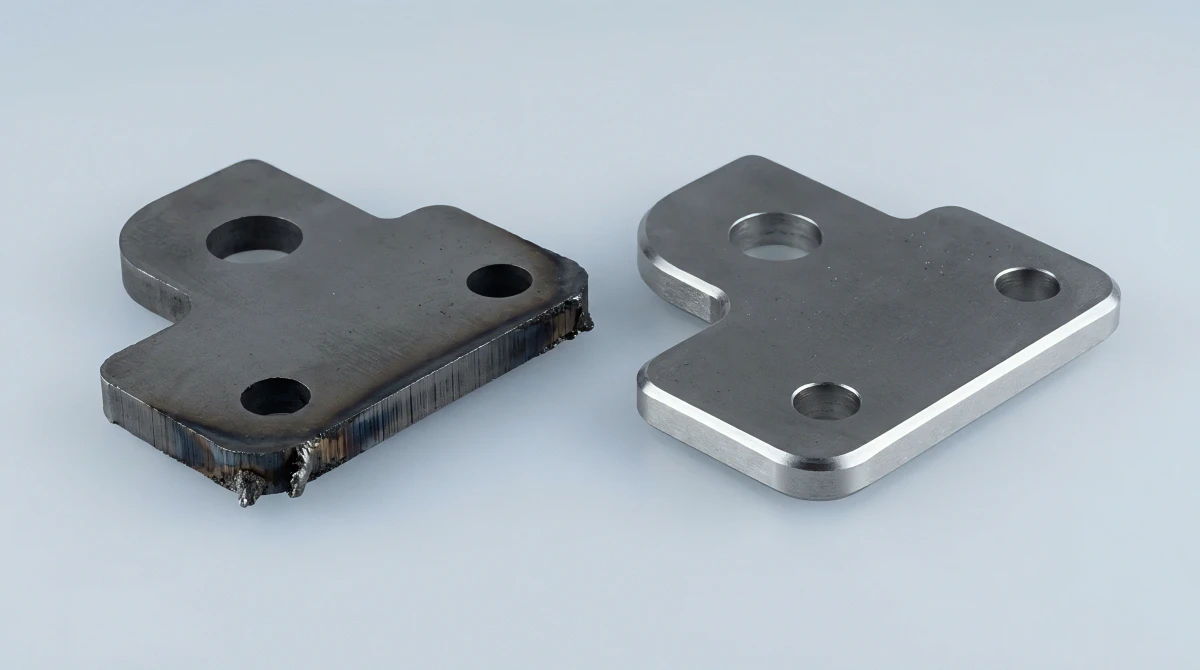
Stainless is cut with nitrogen, which melts nothing by itself and leaves a bright, scale-free edge. Linde gives 10 to 15 bar (145 to 218 psi) for thick sheet. It asks for at least 99.995 % purity on very thick stainless. Oxygen in the gas yellows the edge and leaves dross that is hard to remove. A compressed air cut leaves an oxidized edge, which Air Liquide says looks worse as thickness grows. GWEIKE lists 20 mm (0.79 in) stainless at 0.2 to 0.35 m/min (8 to 14 in/min) on 6 kW. On 12 kW it lists 1.2 to 1.4 m/min (47 to 55 in/min).

Bending Load

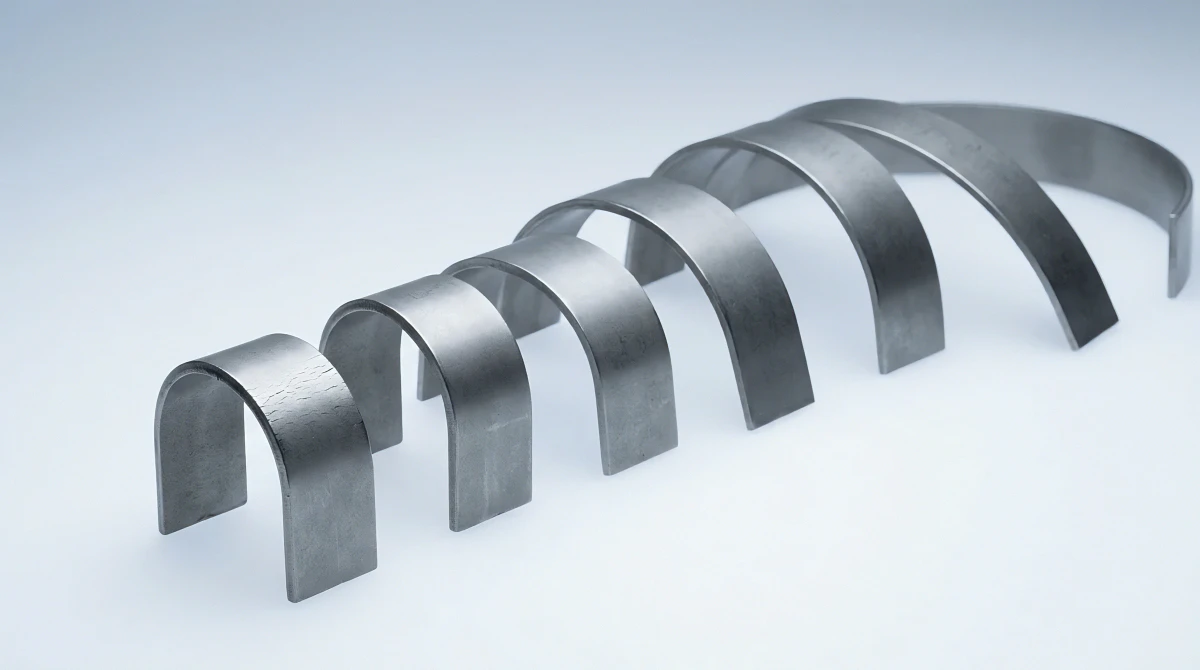
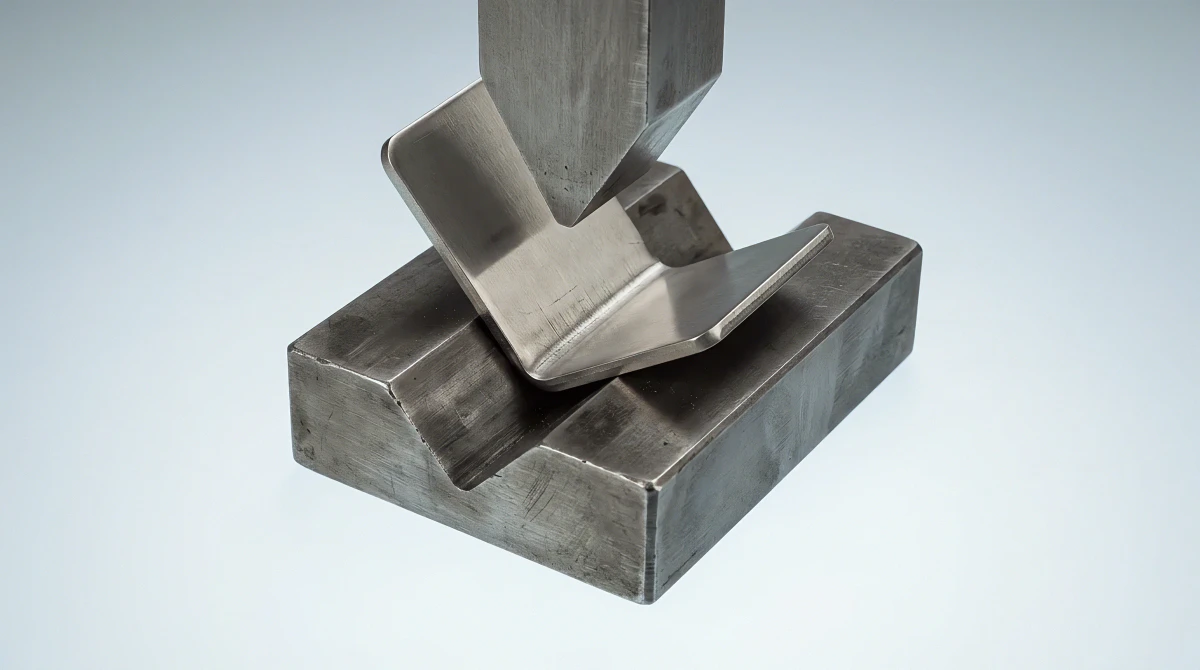
Austenitic stainless takes more force and springs back further than carbon steel. Durma puts its V opening at 10 to 12 thicknesses. Its bending force runs 1.4 to 1.5 times that of mild steel. Euro Inox advises a 5 degree overbend as a starting figure. It also asks for tools kept for stainless only, since carbon steel particles contaminate the surface.

Weld Distortion

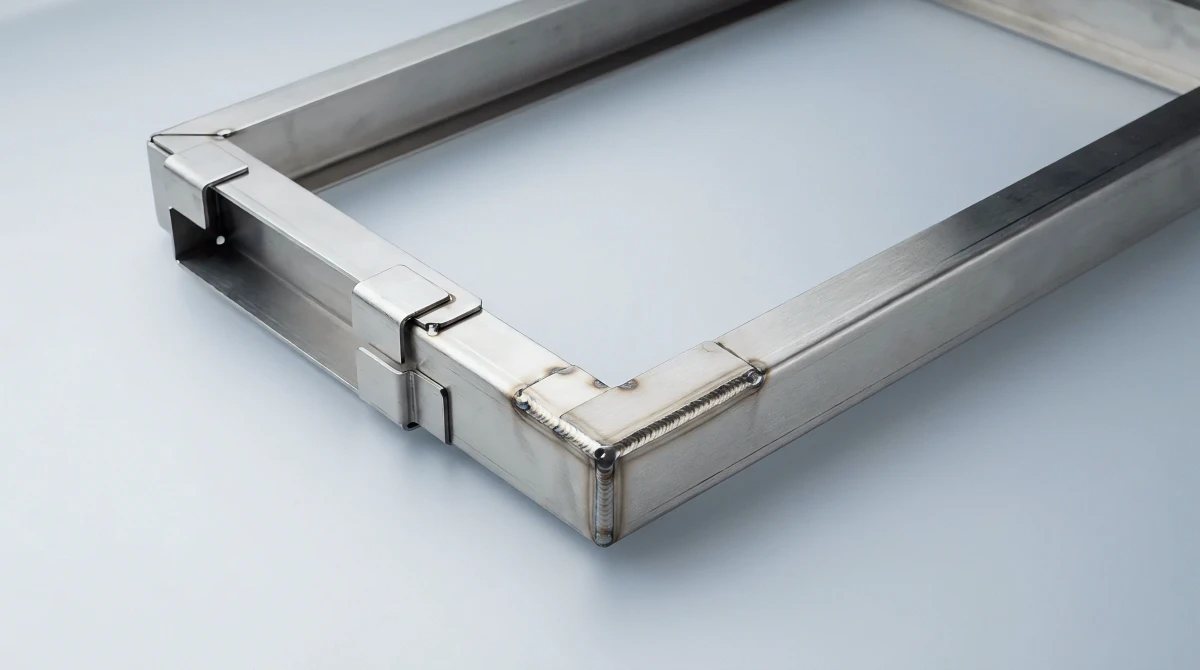
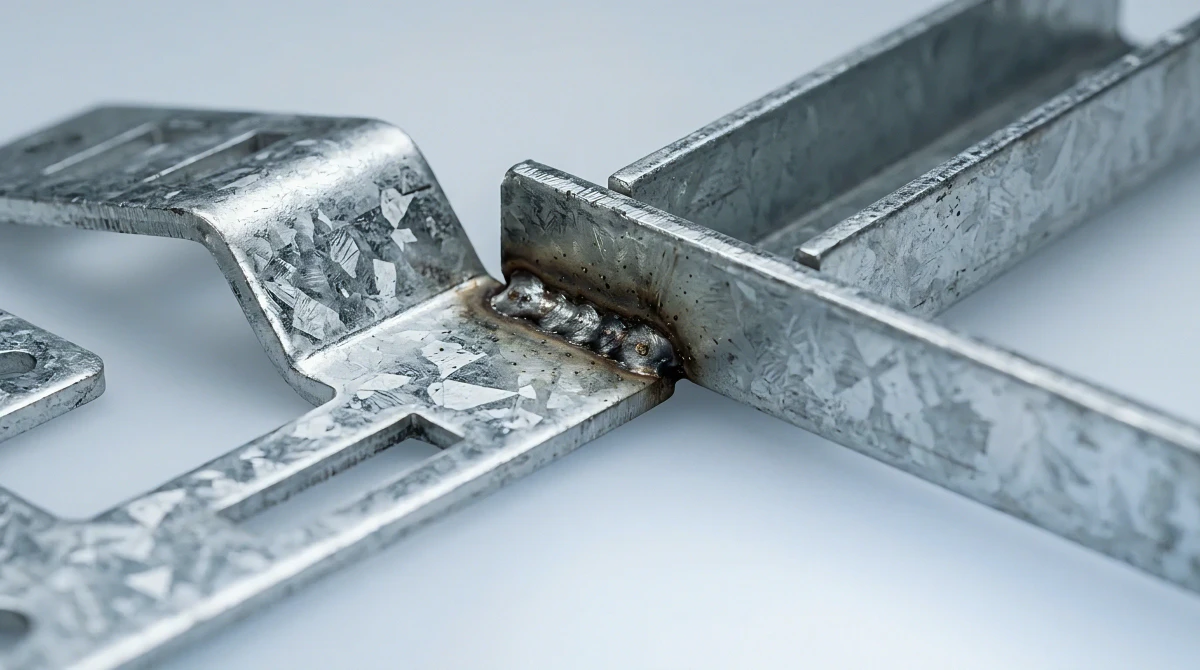
Stainless expands more and conducts heat less than carbon steel. A seam therefore heats a narrow strip and pulls the panel toward it. Euro Inox asks for both effects to be allowed for in fabrication to limit distortion. Cleveland-Cliffs asks for ferrite in the weld deposit to avoid hot cracking. It gives 316 a slower arc speed than 304 because of its higher nickel. Fillers are AWS 308, 308L or 347 for 304, and 316L or 16-8-2 for 316.

Surface Codes

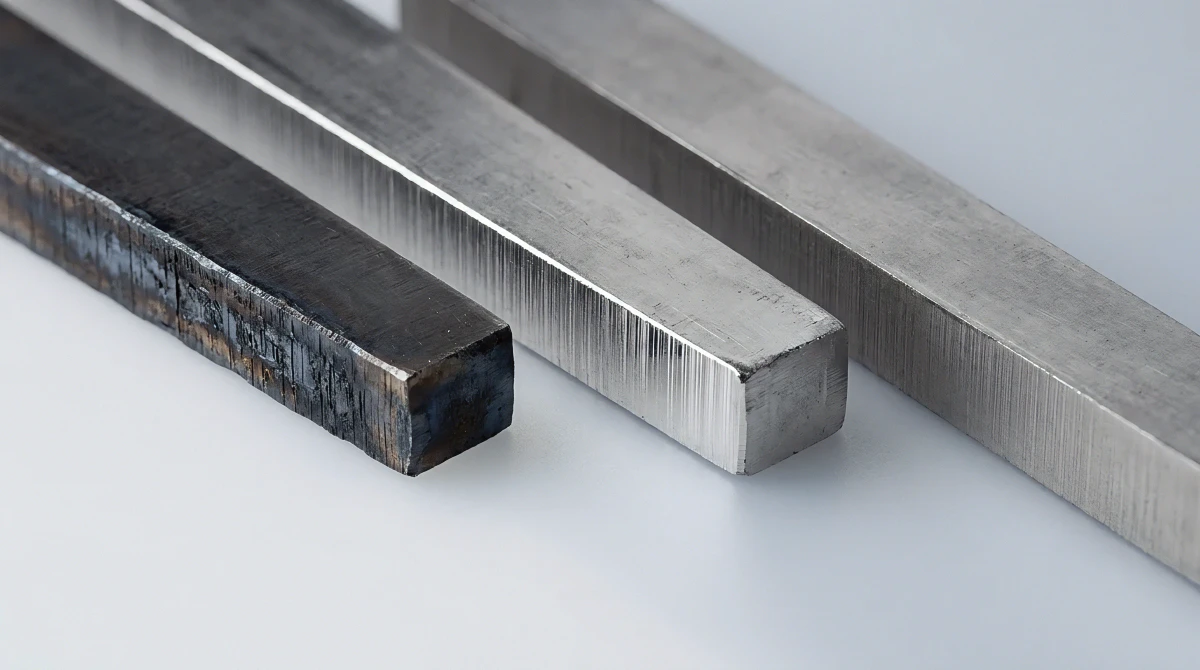
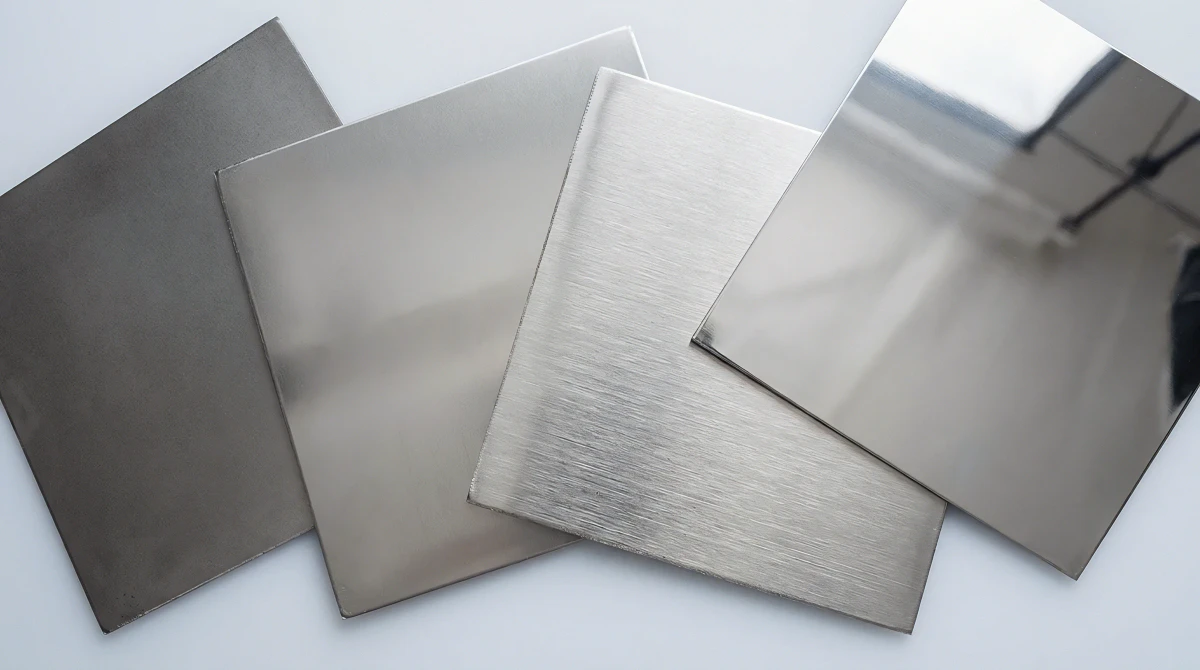
Stainless sheet arrives with an EN 10088-2 finish code such as 2B, 2D or 2R. The digit records hot or cold rolling, and the letter records what was done to the face. Euro Inox calls 2B the most widely used finish, with a typical Ra of 0.30 to 0.50 µm (12 to 20 µin). The code names a process, not a roughness, so the order adds an Ra criterion and a sample.

Mixed Metals

Euro Inox notes that stainless is more noble than galvanized steel, zinc and aluminum. Unless the metals are separated, moisture corrodes the less noble one. A stainless screw in a galvanized panel is the textbook case. A neoprene or nylon barrier breaks the contact. IGP’s powder data sheet lists no pretreatment for stainless, so the coater is asked how a stainless part will be prepared.

Thermal Movement

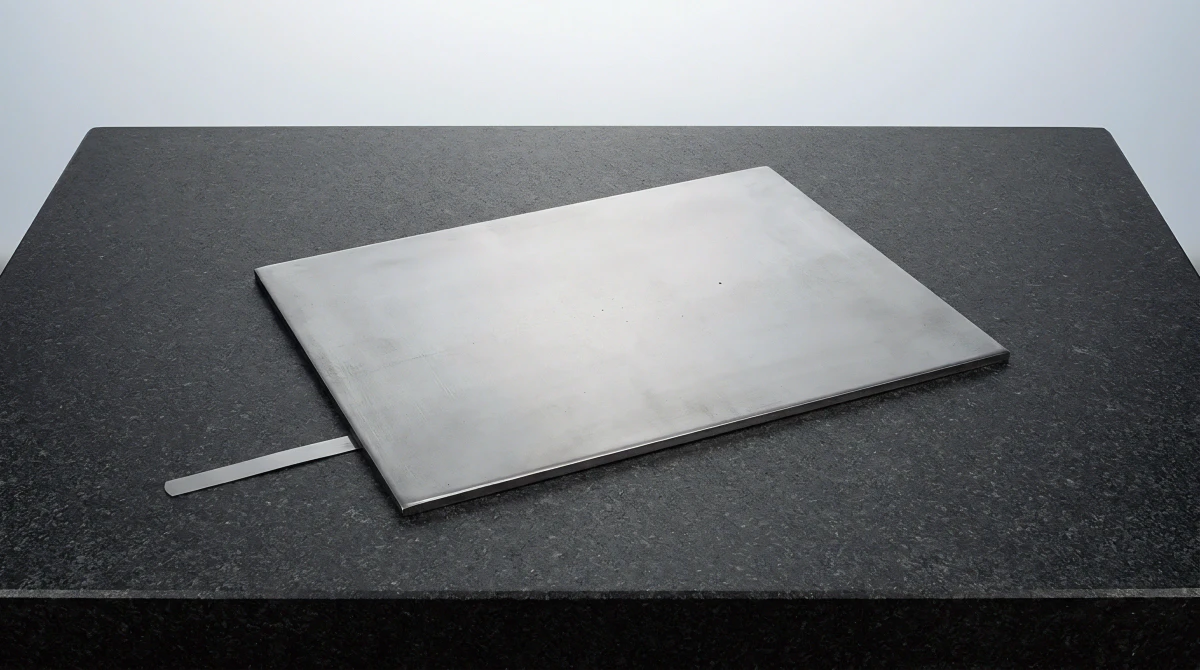
Heat moves stainless parts more than many drawings allow. At 16.0 µm/m/K (8.9 µin/in/°F), a 1,000 mm (39.4 in) edge grows 0.16 mm (0.006 in) for each 10 K (18 °F). That growth sits inside an ISO 9013 class 1 band at that size, yet takes a large share of it. The ArcelorMittal flatness tables do not cover stainless, so its flatness comes from the product standard and the mill.
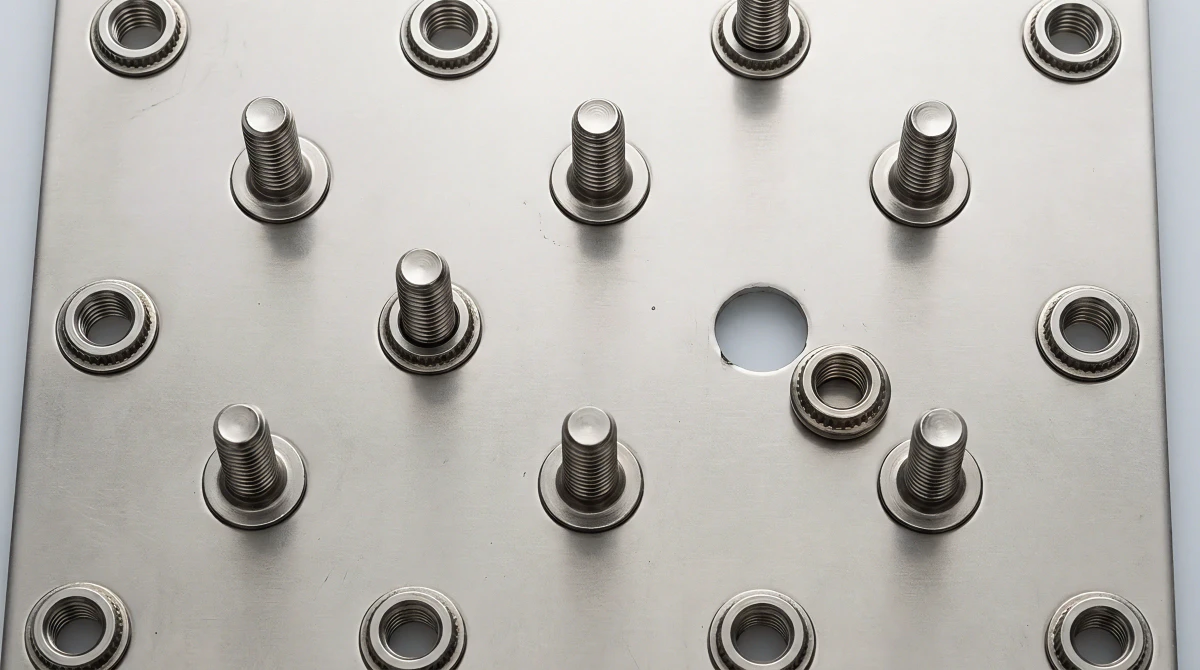
Inserting Self-Clinching Fasteners in Sheet Metal Step by Step

Cut the hole to size without deburring, check the sheet is soft enough, finish the panel, then squeeze the nut in parallel until its head meets the sheet.

How a Self-Clinching Nut Locks Into Thin SheetInstallation takes three moves. First a hole of the specified size is punched or drilled, the nut's shank is placed in it, and a press squeezes nut and sheet between parallel surfaces until the head meets the sheet.

Minimum Bend Radius by Sheet Material and Thickness

Take the minimum bend radius from the maker's table for the exact grade, temper, thickness and bend direction, then draw the radius the die forms.

Minimum Inside Bend Radius Values for Steel SheetSteel makers print the minimum as a multiple of thickness, t, and the multiple rises with strength and with thickness. The two hot-rolled cold-forming ranges below are the clearest published sets; mild cold-rolled steels such as DC01 come with formability figures but, in the makers' datasheets cited here, no printed radius.

Powder Coated Sheet Metal Batch From Pretreatment to Cure and Inspection

A powder coating cures in minutes but depends on pretreatment, rack mass and film allowance, and a lot is judged on gloss, film and adhesion, not corrosion hours.

The Stages a Coated Batch Passes ThroughA batch of sheet metal parts goes through six stages on its way from the bare part to a coated one: pretreatment, drying, masking and hanging, application, cure, and cooling and packing. Each stage has a condition the powder maker states, and each has its own place in the schedule.

Press Brake Bending of Sheet Metal From Die Opening to Final Angle

A press brake bend is decided by the die opening, which sets radius, flange length, springback and the flat pattern, so the first piece carries every assumption of the lot.

How a Press Brake Forms a Bend in AirMost sheet metal is bent by air forming. The punch pushes the sheet into a V-shaped die, and the sheet touches only three points: the two shoulders of the die and the tip of the punch.

Laser Cutting Sheet Metal With Oxygen, Nitrogen or Air Assist Gas

Oxygen, nitrogen and air each leave a different edge on laser cut sheet, and the choice of gas settles speed, finishing work and what the next process accepts.

Which Assist Gas Cuts Which Sheet MetalThree gases cover almost all sheet work: oxygen, nitrogen and compressed air. Oxygen belongs to carbon and low-alloy steel, nitrogen to stainless steel and aluminum, and air sits between them as the cheaper trade for thin parts that tolerate a slightly darker edge.

Steel Sheet Flatness Tolerance Before Cutting and Bending

Read flatness by thickness, width and strength class, specify normal or special, and keep parts clear of the edge wave strip.

What a Flatness Tolerance Covers Before the First CutIn the EN 10131 and EN 10051 tables, as ArcelorMittal prints them, flatness is a maximum deviation in millimeters, and the tables apply to sheet, not to coil. The extract does not describe the set-up used to measure it.

Laser Cut Part Dimensional Tolerance Under ISO 9013 Class 1 and Class 2

Pick the tighter or looser dimensional class per feature, read inside and outside sizes at their extremes, and anchor fit features to each other.

What Dimensional Tolerance Class 1 and Class 2 Cover on a Laser Cut PartISO 9013:2017 applies to laser cuts from 0.5 mm to 32 mm in thickness. Its clause 8 gives limit deviations for nominal dimensions in two classes, listed in Table 6 for class 1 and Table 7 for class 2.

Galvanized Steel Sheet Coating Weight Designations for Cut and Welded Parts

Read the coating designation as a minimum zinc mass over both faces, name the standard and test basis, and plan ventilation for cutting and welding.

What a Coating Weight Designation Says About the SheetA designation states the minimum mass of zinc, or zinc alloy, on the sheet and the units it is stated in. G90 means hot-dip galvanized, with a triple spot test average of at least 0.90 ounce per square foot, counted over both sides together.

Request a Sheet Metal Quote

Send the 2D drawing and the 3D file, with the quantity and the stage of the project. An engineer replies within 1 working day.

The quote form, the mutual NDA and the private folder for your files are on Protolis Atelier, with Sheet Metal chosen.

Request a Quote