Meaning
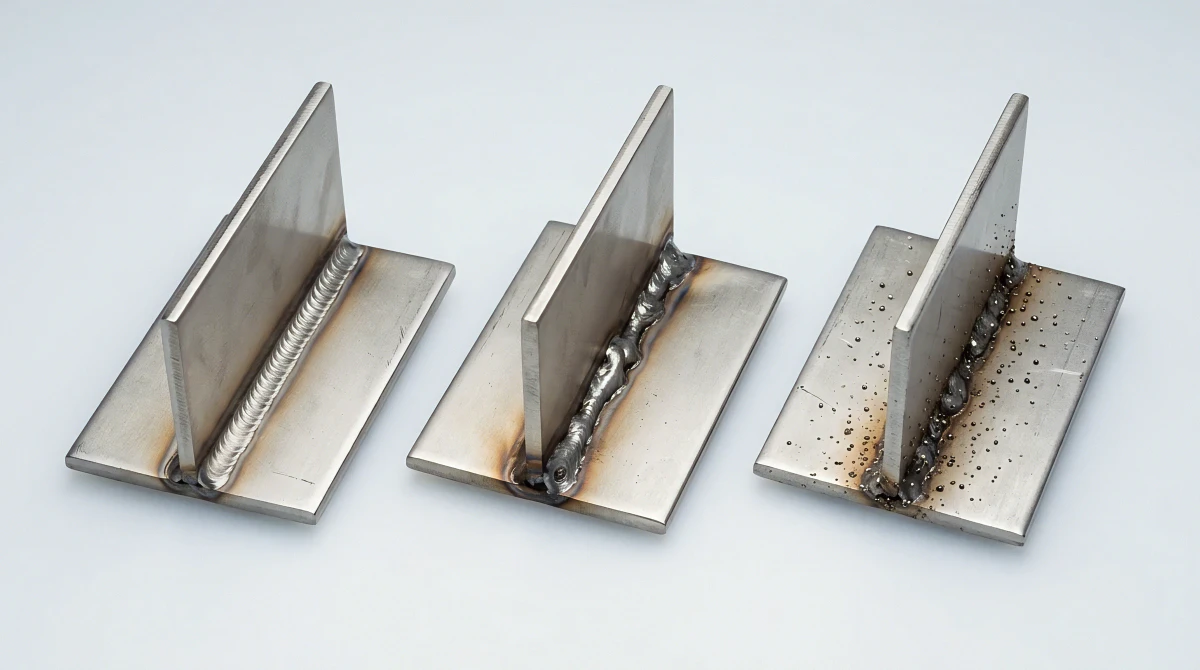
A visible oxide film is the heat tint a weld leaves beside the seam, which ISO 5817 lists as temper colors. It is the oxide that welding heat forms on the surface near the joint. ISO 5817 sets no limit for it at levels B, C or D. Its acceptance depends on the application, so the drawing carries it.Not Graded
The standard treats the film like spatter. Acceptance depends on the application, for instance the material and its corrosion protection. Naming a quality level therefore says nothing about tint. Any acceptance of tint is a drawing note, not a default.Read More
On 316L Parts
A 316L part that must look uniform, or resist chlorides, needs its tint rule written down. The drawing names a cleaning step, such as pickling or passivation, agreed with the supplier. The low carbon of 316L keeps chromium carbides out of the weld zone. Tint is a separate matter that the alloy does not settle.Other Oxide Films
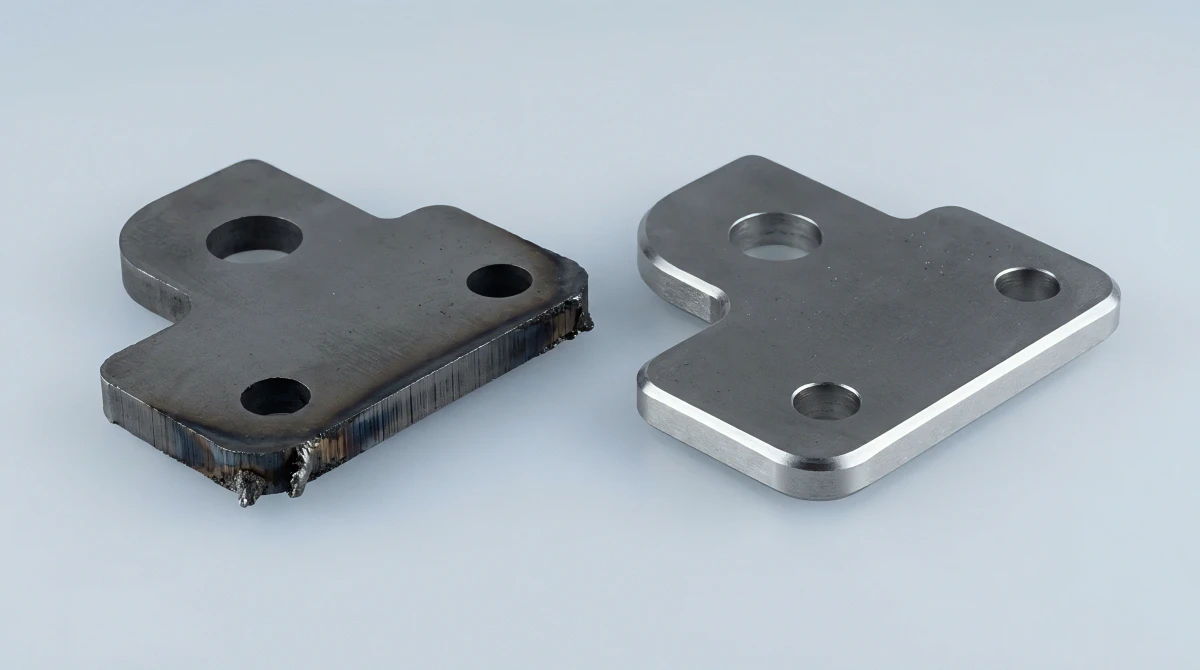
A colored oxide film can also be made on purpose. Electrolytic coloring grows a transparent chromium oxide film of 0.02 to 0.36 µm (0.8 to 14 µin) on stainless. That film is destroyed by welding, so welds on colored parts are planned before the coloring. ISO 9013 measures cut edges on brushed cuts free of oxide, for a related reason.Order Line
A weld note for stainless names the quality level, the tint rule and the cleaning step together. Euro Inox adds that the choice of finish affects how a seam is cleaned.