First Piece

A first piece is the first part made from a new setup, measured and approved before the rest of the batch runs.

Every First Piece article of the Sheet Metal Resources, newest first, each written from published standards, research and makers’ data.

Meaning

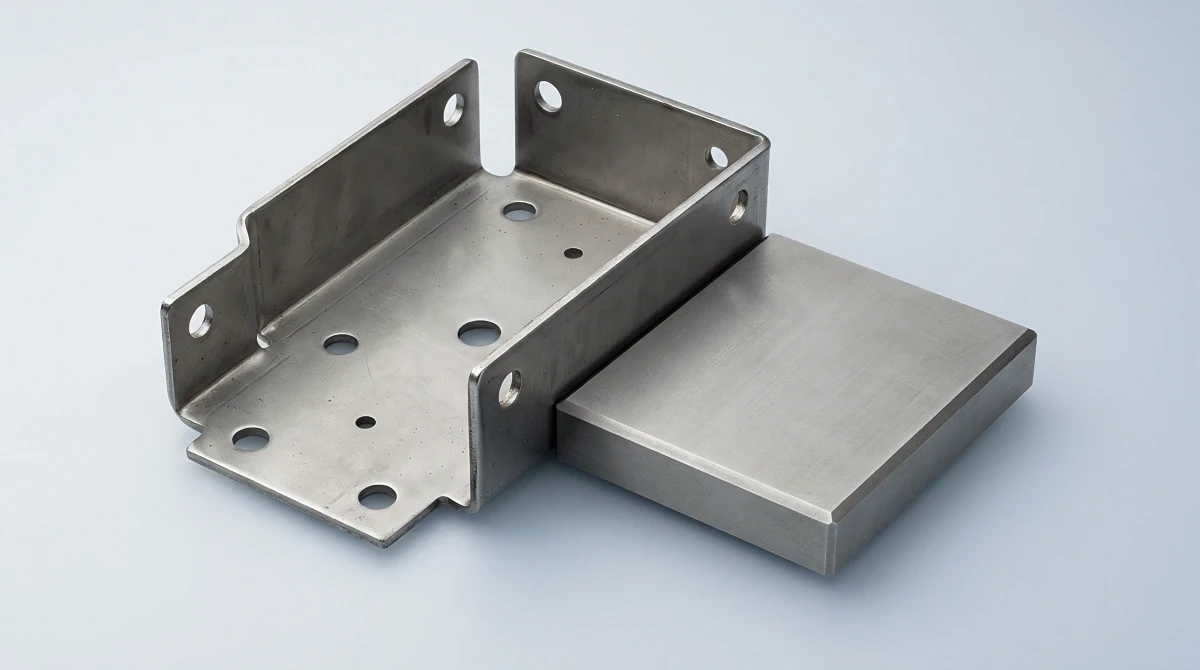
A first piece is the first part made from a new setup, measured and approved before the rest of the batch runs. It carries every assumption of the setup: the material lot, the program, the die and the operator. Once approved, it becomes the reference that later parts and later batches are compared with. At the laser, the brake, the oven and the die alike, it is the real measurement.

At the Brake

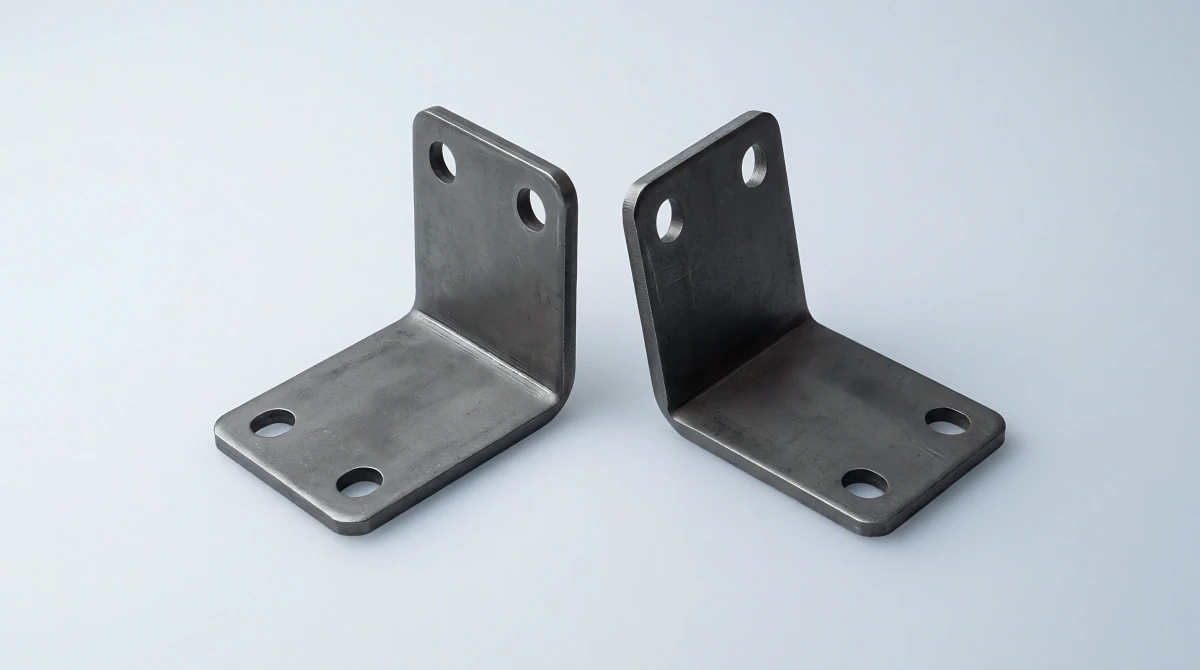
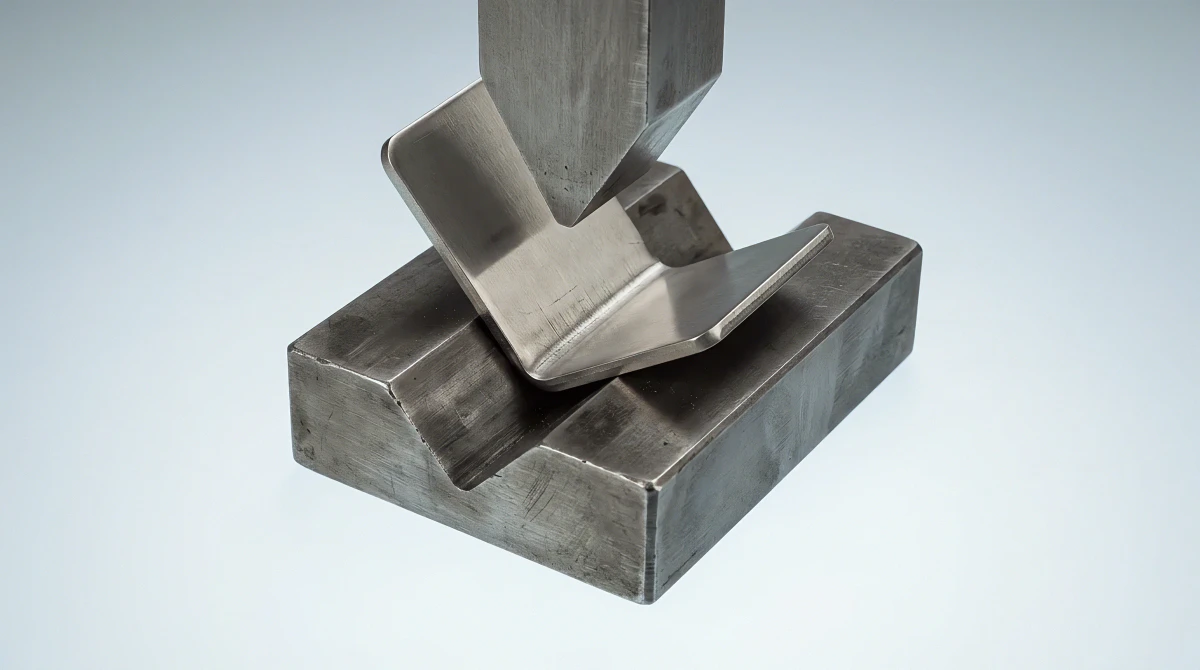
On the press brake, the first piece fixes the angle, the flat dimensions and the K-factor. Its angle is measured at both ends of each bend, and its outer radius is read for cracks. A second piece, bent after the setup has warmed, tests whether the first one holds. When the two agree within the angle tolerance, the setup is stable.
Read More

At the Laser

A laser first piece confirms the edge as well as the size. On stainless and aluminum, the order can ask for first-piece confirmation of edge color. The nest, the cutting gas and the first-piece measurement then go into the job record. A repeat batch is checked against the old part, not only against the drawing.

Second Lot

A batch cut in two sittings from two lots can differ in springback by a fraction of a degree. The first piece of the second sitting is therefore checked like the first piece of the first. On a progressive die, sharpening or a feed change also calls for a re-check.

Coated Parts

For powder coating, the approved first piece fixes the shade on metal that a RAL number fixes on paper. Both are kept, since gloss, texture and the metal beneath change how a color looks. The buyer keeps that piece where it can be handed over. A repeat batch from a new powder lot is a color check against it.

Process Change

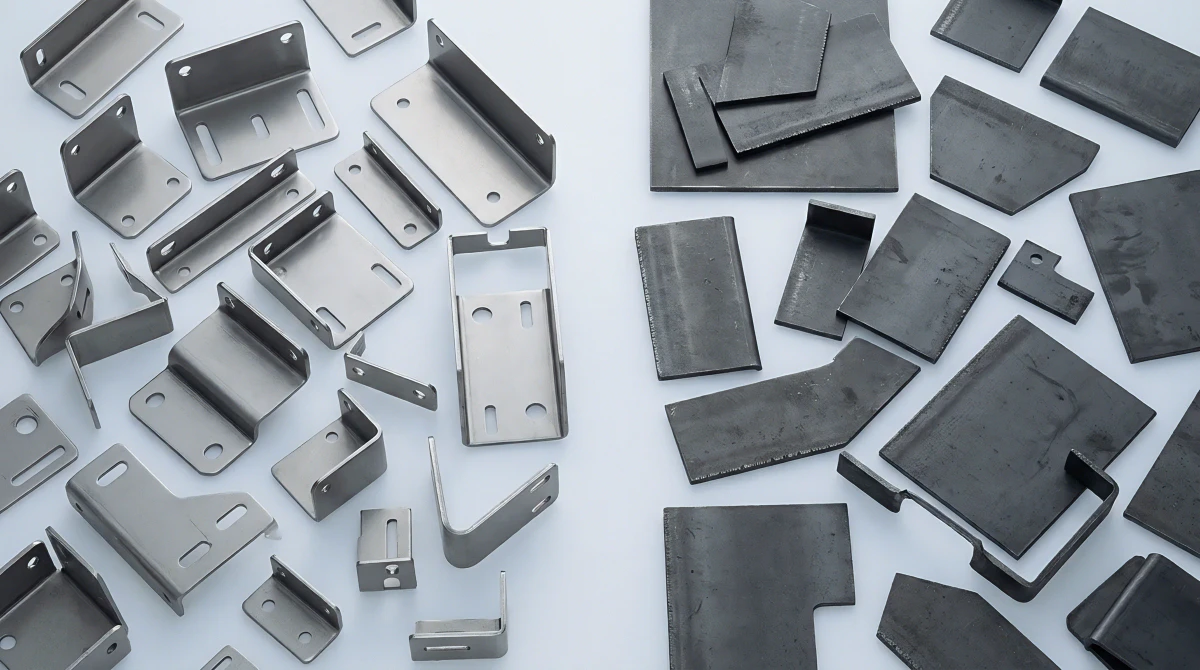
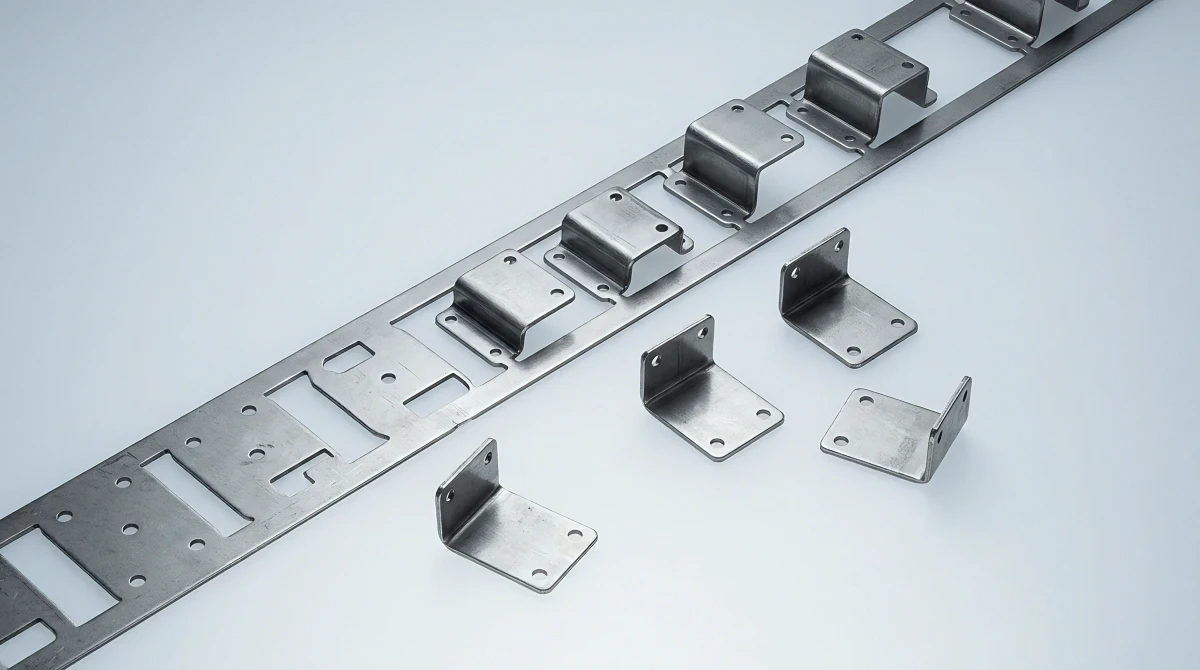
When a part moves from laser and brake to a progressive die, the first die parts are a new first article. Bend angle, flat length, hole position and edge condition are read on both. A difference is traced to the die or the material lot before the old process is retired.
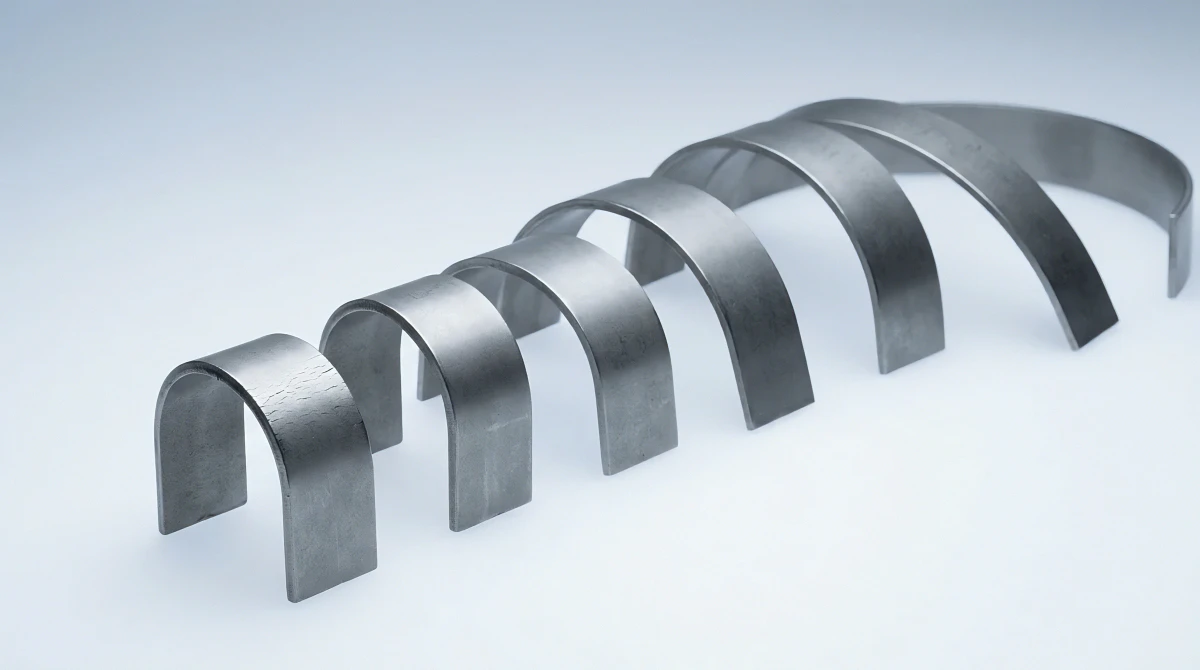
Minimum Bend Radius by Sheet Material and Thickness

Take the minimum bend radius from the maker's table for the exact grade, temper, thickness and bend direction, then draw the radius the die forms.

Minimum Inside Bend Radius Values for Steel SheetSteel makers print the minimum as a multiple of thickness, t, and the multiple rises with strength and with thickness. The two hot-rolled cold-forming ranges below are the clearest published sets; mild cold-rolled steels such as DC01 come with formability figures but, in the makers' datasheets cited here, no printed radius.

ISO 2768 and DIN 6930 General Tolerances for Bent Sheet Metal Parts

ISO 2768-1 covers sheet metal parts by size class; on a bent part its angular row decides fit, and DIN 6930-2 is written for stamped steel parts only.

What ISO 2768-1 Covers on a Sheet Metal DrawingISO 2768-1, first edition 1989-11-15, sets general tolerances for linear and angular dimensions without individual tolerance indications, in four classes. Its scope names sheet metal directly: it applies to the dimensions of parts produced by metal removal or parts formed from sheet metal.

High-Strength Steel Sheet S355 and S420 and the Springback It Brings

Order S355 or S420 for bent parts as the EN 10149-2 MC grade, bend at the recommended radius, and expect more springback than mild steel.

S355 and S420 Sheet Grades in EN 10149-2 and EN 10025-2High-strength sheet for cut and bent parts comes mainly from two European product standards. EN 10025-2 covers non-alloy structural steels, the S235, S275 and S355 families with the JR, J0 and J2 suffixes that set the impact-test temperature.

Cold Rolled DC01 and Hot Rolled S235 Steel Sheet for Cut and Bent Parts

Choose DC01 for thin formed parts that need tight thickness, flatness and a clean surface, and S235 for thicker load-bearing parts, then name the standard on the order.

DC01 and S235 Compared for Laser Cut and Bent Sheet PartsDC01 is a cold-rolled non-alloy mild steel for cold forming under EN 10130, material number 1.0330, which ArcelorMittal describes as having a guaranteed maximum yield and tensile strength, a guaranteed minimum elongation and good formability. S235 is a hot-rolled carbon-manganese structural steel under EN 10025-2, described by the same mill as having a guaranteed minimum yield and tensile strength and satisfactory ductility, in JR, J0 and J2 versions that differ in impact-test temperature.

Progressive Die Stamping After Laser Cut and Bent Sheet Metal Parts

A progressive die makes parts in minutes but takes months to build and wants a design that has stopped, so quantity and design stability choose between die and laser.

What Changes When a Part Moves From Laser and Brake to a DieIn laser and brake work, a flat blank is cut by a beam from a program and bent on a press brake with standard tooling, so a part exists the day the drawing and the sheet exist. In progressive stamping, a continuous strip passes through one die set with several stations.

Powder Coated Sheet Metal Batch From Pretreatment to Cure and Inspection

A powder coating cures in minutes but depends on pretreatment, rack mass and film allowance, and a lot is judged on gloss, film and adhesion, not corrosion hours.

The Stages a Coated Batch Passes ThroughA batch of sheet metal parts goes through six stages on its way from the bare part to a coated one: pretreatment, drying, masking and hanging, application, cure, and cooling and packing. Each stage has a condition the powder maker states, and each has its own place in the schedule.

Press Brake Bending of Sheet Metal From Die Opening to Final Angle

A press brake bend is decided by the die opening, which sets radius, flange length, springback and the flat pattern, so the first piece carries every assumption of the lot.

How a Press Brake Forms a Bend in AirMost sheet metal is bent by air forming. The punch pushes the sheet into a V-shaped die, and the sheet touches only three points: the two shoulders of the die and the tip of the punch.

Laser Cutting Sheet Metal With Oxygen, Nitrogen or Air Assist Gas

Oxygen, nitrogen and air each leave a different edge on laser cut sheet, and the choice of gas settles speed, finishing work and what the next process accepts.

Which Assist Gas Cuts Which Sheet MetalThree gases cover almost all sheet work: oxygen, nitrogen and compressed air. Oxygen belongs to carbon and low-alloy steel, nitrogen to stainless steel and aluminum, and air sits between them as the cheaper trade for thin parts that tolerate a slightly darker edge.

Request a Sheet Metal Quote

Send the 2D drawing and the 3D file, with the quantity and the stage of the project. An engineer replies within 1 working day.

The quote form, the mutual NDA and the private folder for your files are on Protolis Atelier, with Sheet Metal chosen.

Request a Quote