Meaning
A quality level is the ISO 5817 grade, D, C or B, that limits which weld imperfections a joint may carry and their size. Level B is the strictest, and anything allowed at B is allowed at C and D. The levels refer to production and good workmanship, not to a given use. A drawing that names no level leaves every limit open.What a Level Buys
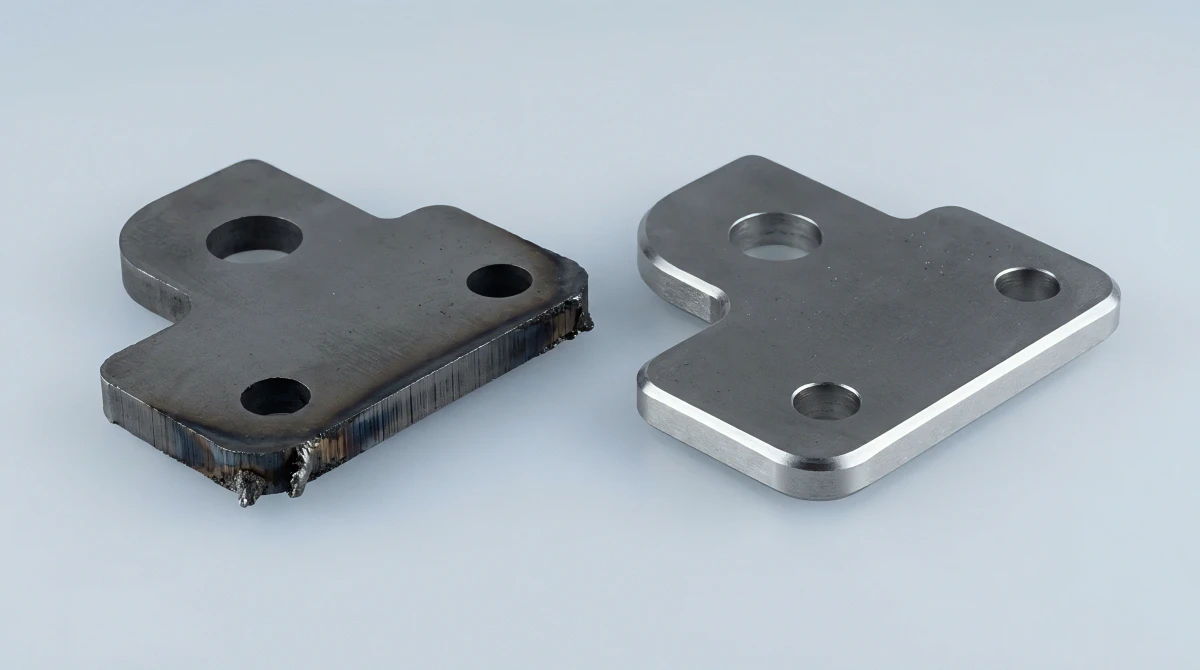
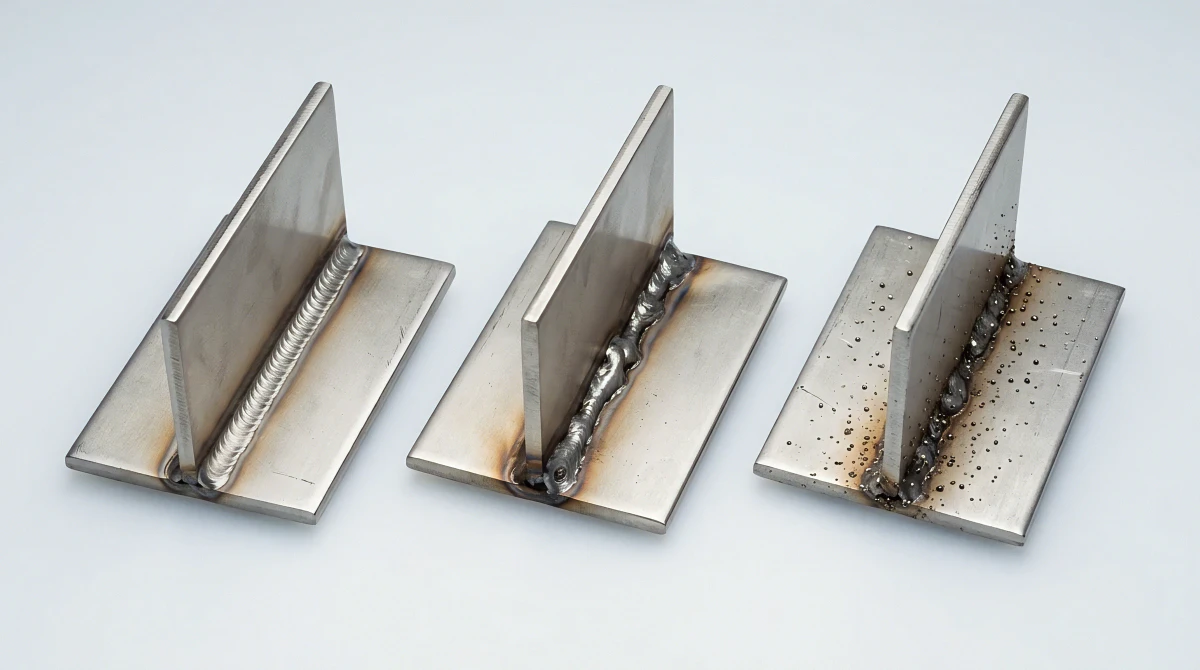
On thin sheet the difference between levels is a few tenths of a millimeter. On 2 mm (0.079 in) sheet, plates may sit out of line by 0.4 mm (0.016 in) at B. Level C allows 0.5 mm (0.020 in) and level D 0.7 mm (0.028 in). Undercut gets no allowance at B, while D accepts 0.4 mm (0.016 in). Level B values may need extra work such as grinding or TIG dressing.Read More
Choosing a Level
ISO 5817 lists what to weigh: design, later processing, static or dynamic loading, service conditions and the consequences of failure. Economic factors count too, including inspection, testing and repair. The level is set before production, preferably at enquiry or order. Different joints of one part can carry different levels.Beyond Its Reach
Some things a level does not cover. Spatter and temper colors have no limit at any level. Aluminum seams take their level from an aluminum weld standard. Citing ISO 5817 level C on an aluminum seam cites a document that does not cover the metal.Galvanized Seams
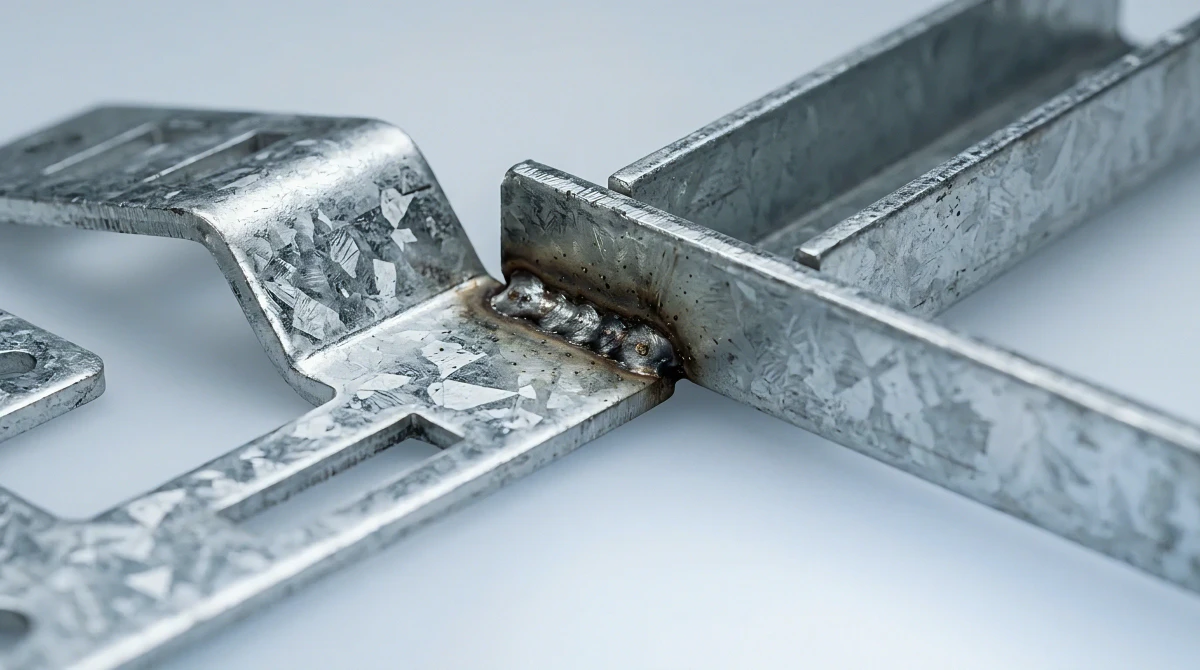
On galvanized sheet, spatter and burned-off zinc beside the seam are the conditions the standard leaves to the application. The order names the level and states what spatter and zinc burn are accepted. ISO 5817 adds that welds to be coated later may need more thorough finishing.