Data Sheet

A data sheet is a maker's or stockist's printed summary of a material's composition, properties and recommended use.

Every Data Sheet article of the Sheet Metal Resources, newest first, each written from published standards, research and makers’ data.

Meaning

A data sheet is a maker’s or stockist’s printed summary of a material’s composition, properties and recommended use. It is the first document most buyers read, and one that is often misread. Some values are guaranteed minimums from a standard. Others are typical figures, or values with no stated basis at all.

Basis of Values

Three 5052 H32 data sheets give three minimum yield strengths, and none is wrong. Smiths lists 175 MPa (25 ksi) without naming a standard. Its listed tensile strength of 210 MPa (30 ksi) even sits below the B209M minimum. A distributor’s value with no basis and a standard’s minimum are different kinds of number.
Read More

Test Conditions

A coating data sheet reports results on a test panel under one cure. IGP lists its powder film tests on 0.5 mm (0.02 in) steel cured at 190 °C (374 °F) for 10 minutes. Its corrosion hours, 500 to 1,000 hours of salt spray, depend on pretreatment. A lot is therefore judged on gloss, film and adhesion, not on the data sheet’s corrosion figure.

What Is Left Open

Data sheets often leave key choices to the user. IGP leaves the pretreatment to the coater’s own trials. Its matte powder is rated indoor quality, so an outdoor part needs a powder rated for outdoor use. The aluminum data sheets cite ASTM B209M, EN 485-2 and AS/NZS 1734 without printing flatness limits. The order, not the data sheet, is where those values are fixed.

ISO 1461 Hot-Dip Galvanizing of Fabricated Steel Parts

ISO 1461 sets zinc thickness by steel thickness, measures it away from edges, and expects cut edges ground and parts bent before galvanizing.

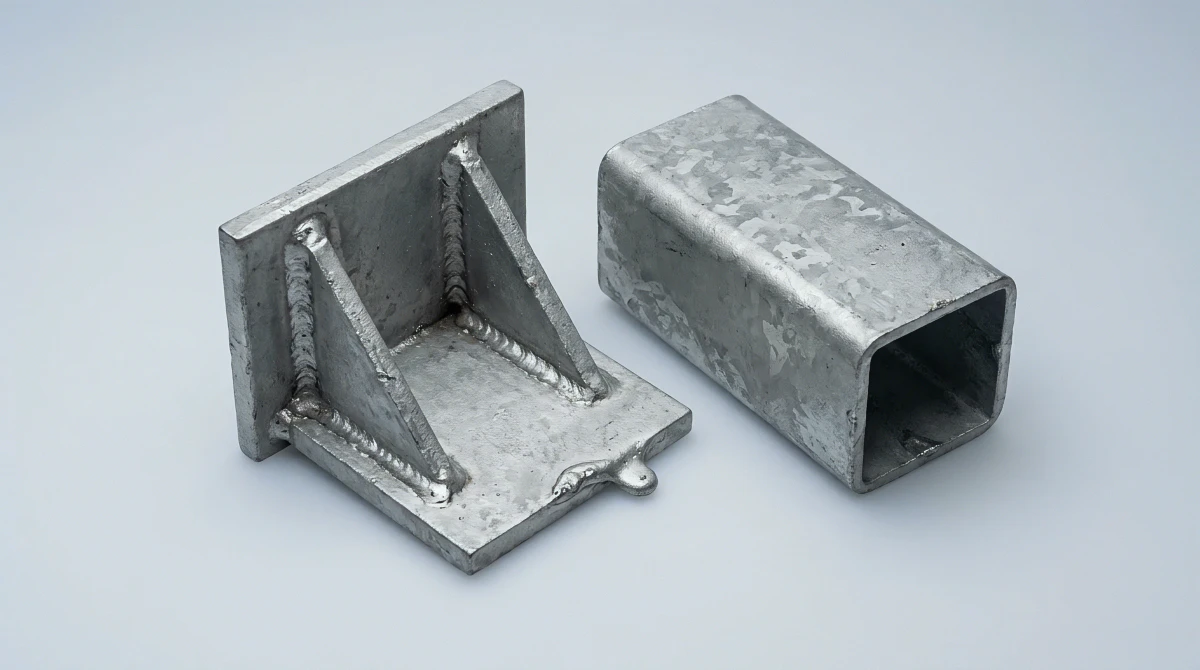
What ISO 1461 Covers for Cut and Bent Steel PartsISO 1461:2022, the fourth edition, sets out the properties and test methods of zinc coatings formed when finished iron and steel articles, some castings included, are dipped in molten zinc holding at most 2 % of other metals. Its key word is fabricated: the parts are cut, formed and welded first and galvanized afterward in batches, by a company the standard now defines as the galvanizer.
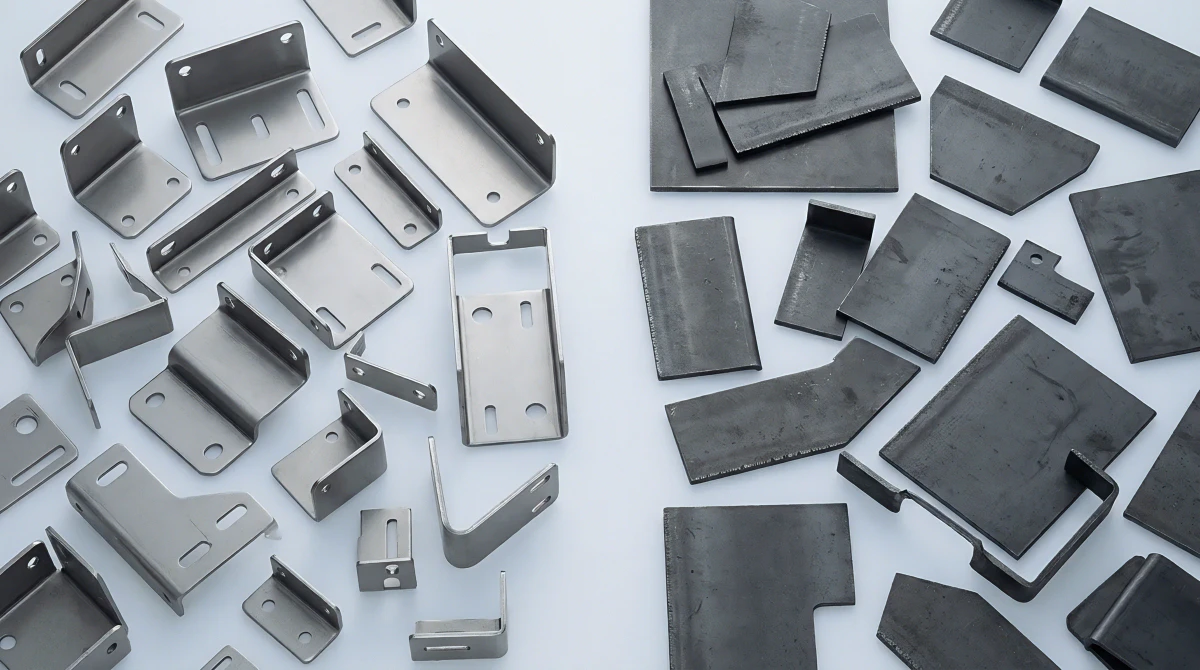
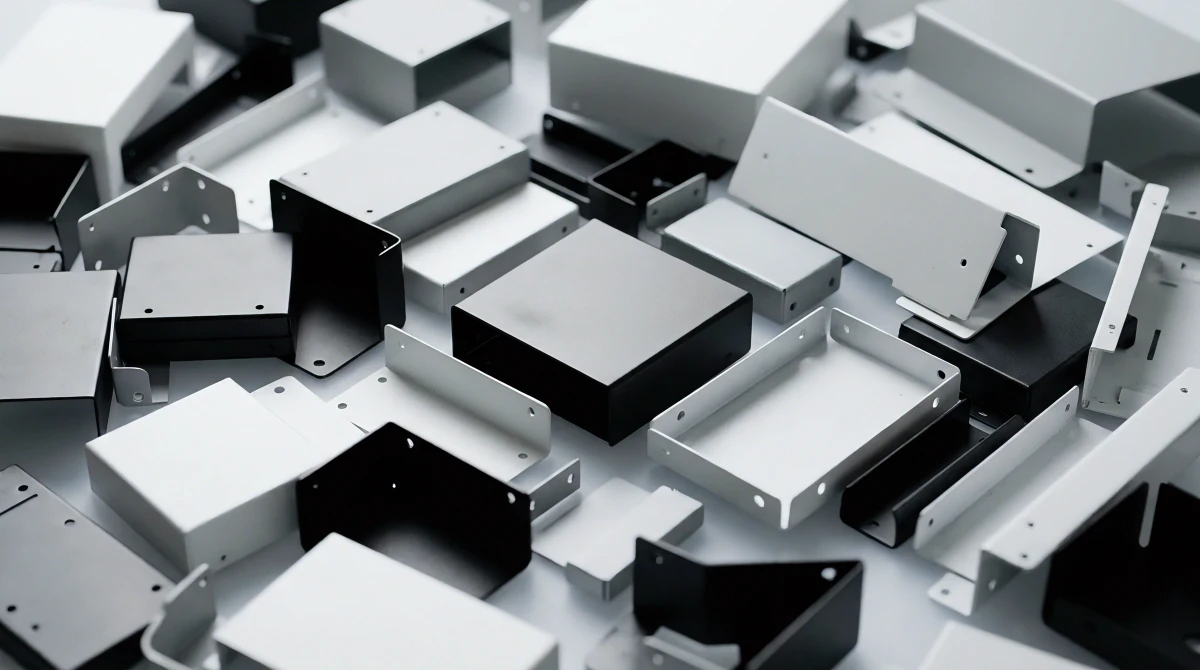
Cold Rolled DC01 and Hot Rolled S235 Steel Sheet for Cut and Bent Parts

Choose DC01 for thin formed parts that need tight thickness, flatness and a clean surface, and S235 for thicker load-bearing parts, then name the standard on the order.

DC01 and S235 Compared for Laser Cut and Bent Sheet PartsDC01 is a cold-rolled non-alloy mild steel for cold forming under EN 10130, material number 1.0330, which ArcelorMittal describes as having a guaranteed maximum yield and tensile strength, a guaranteed minimum elongation and good formability. S235 is a hot-rolled carbon-manganese structural steel under EN 10025-2, described by the same mill as having a guaranteed minimum yield and tensile strength and satisfactory ductility, in JR, J0 and J2 versions that differ in impact-test temperature.

Powder Coated Sheet Metal Batch From Pretreatment to Cure and Inspection

A powder coating cures in minutes but depends on pretreatment, rack mass and film allowance, and a lot is judged on gloss, film and adhesion, not corrosion hours.

The Stages a Coated Batch Passes ThroughA batch of sheet metal parts goes through six stages on its way from the bare part to a coated one: pretreatment, drying, masking and hanging, application, cure, and cooling and packing. Each stage has a condition the powder maker states, and each has its own place in the schedule.

Steel Sheet Flatness Tolerance Before Cutting and Bending

Read flatness by thickness, width and strength class, specify normal or special, and keep parts clear of the edge wave strip.

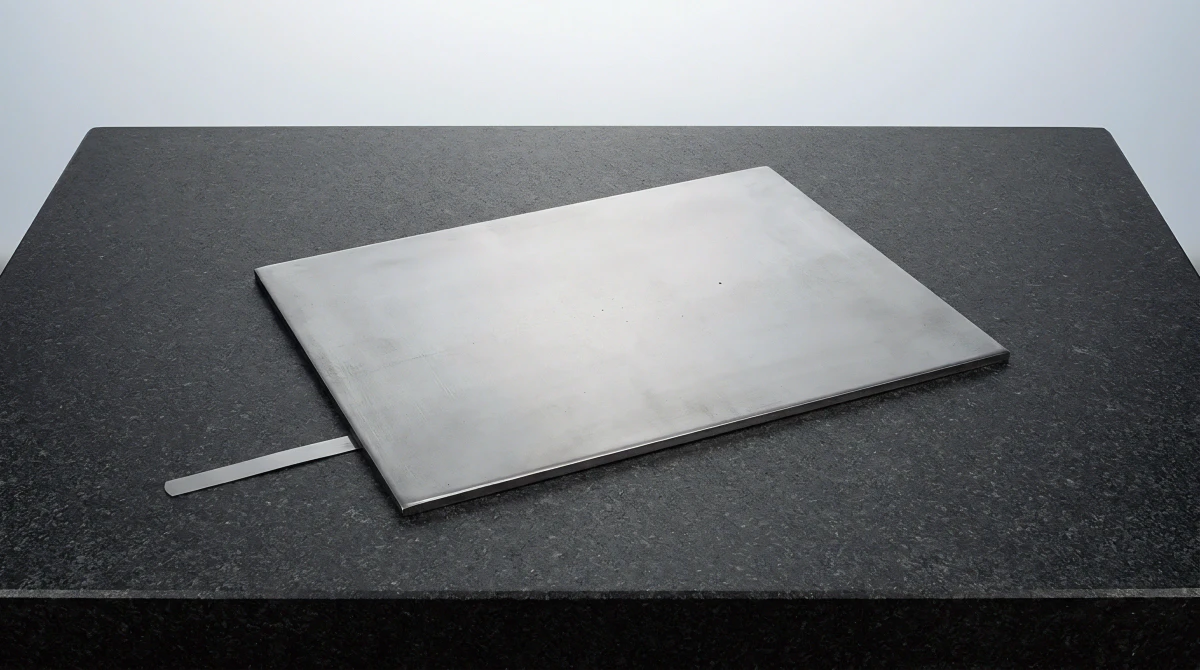
What a Flatness Tolerance Covers Before the First CutIn the EN 10131 and EN 10051 tables, as ArcelorMittal prints them, flatness is a maximum deviation in millimeters, and the tables apply to sheet, not to coil. The extract does not describe the set-up used to measure it.

Galvanized Steel Sheet Coating Weight Designations for Cut and Welded Parts

Read the coating designation as a minimum zinc mass over both faces, name the standard and test basis, and plan ventilation for cutting and welding.

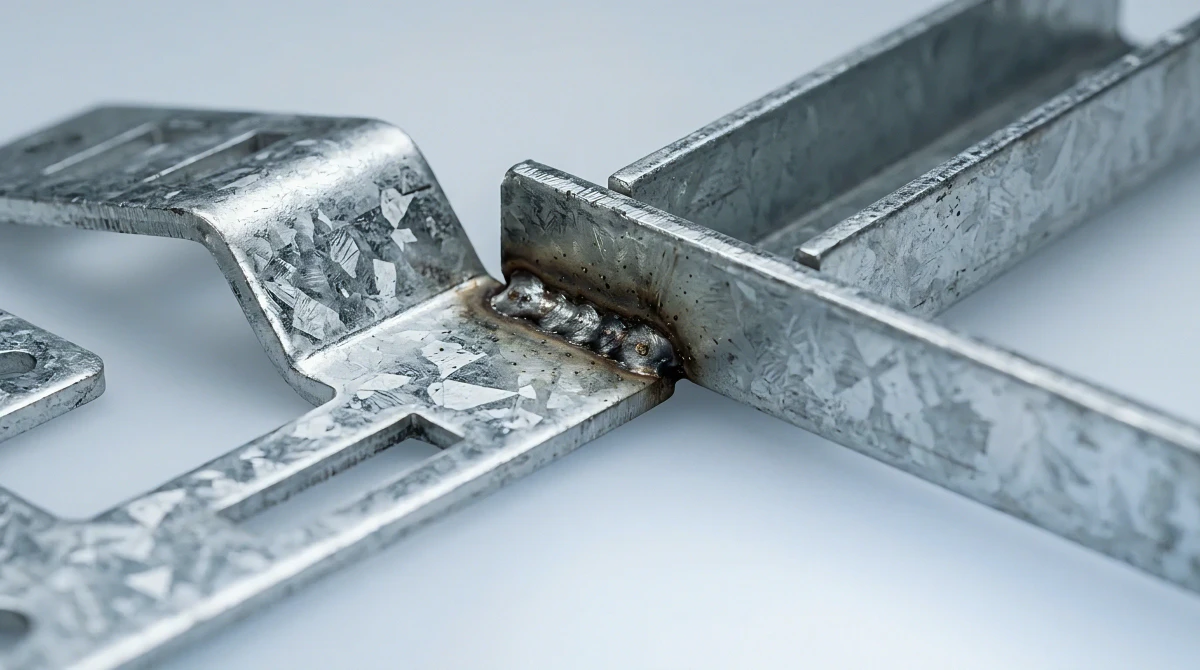
What a Coating Weight Designation Says About the SheetA designation states the minimum mass of zinc, or zinc alloy, on the sheet and the units it is stated in. G90 means hot-dip galvanized, with a triple spot test average of at least 0.90 ounce per square foot, counted over both sides together.

5052 H32 Aluminum Sheet for Bending and Welding

Name the alloy, temper and specification, draw bend radii from a trial bend at the real thickness, and design welded joints to the annealed strength the weld leaves.

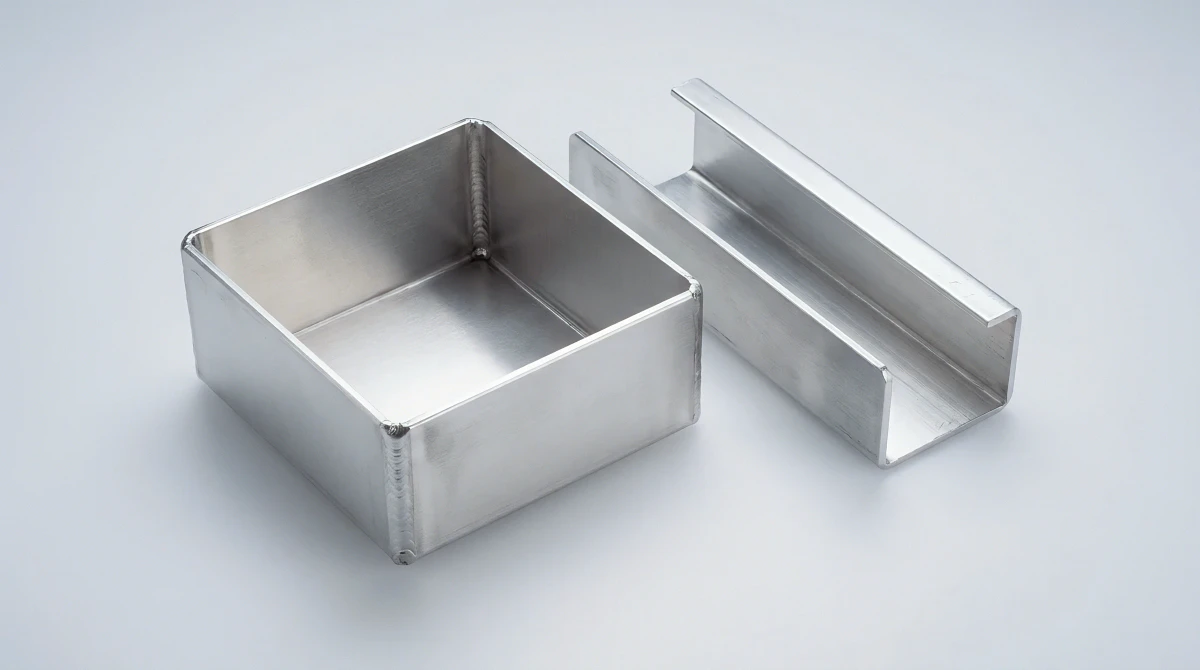
What 5052 H32 Offers a Bent and Welded Aluminum PartAlloy 5052 is an aluminum-magnesium alloy, registered in the United States in 1954. The Aluminum Association's international alloy register sets its composition: silicon 0.25 % maximum, iron 0.40 %, copper 0.10 %, manganese 0.10 %, magnesium 2.2 to 2.8 %, chromium 0.15 to 0.35 %, zinc 0.10 %, and 0.05 % each and 0.15 % in total for other elements, with aluminum the remainder.

Request a Sheet Metal Quote

Send the 2D drawing and the 3D file, with the quantity and the stage of the project. An engineer replies within 1 working day.

The quote form, the mutual NDA and the private folder for your files are on Protolis Atelier, with Sheet Metal chosen.

Request a Quote