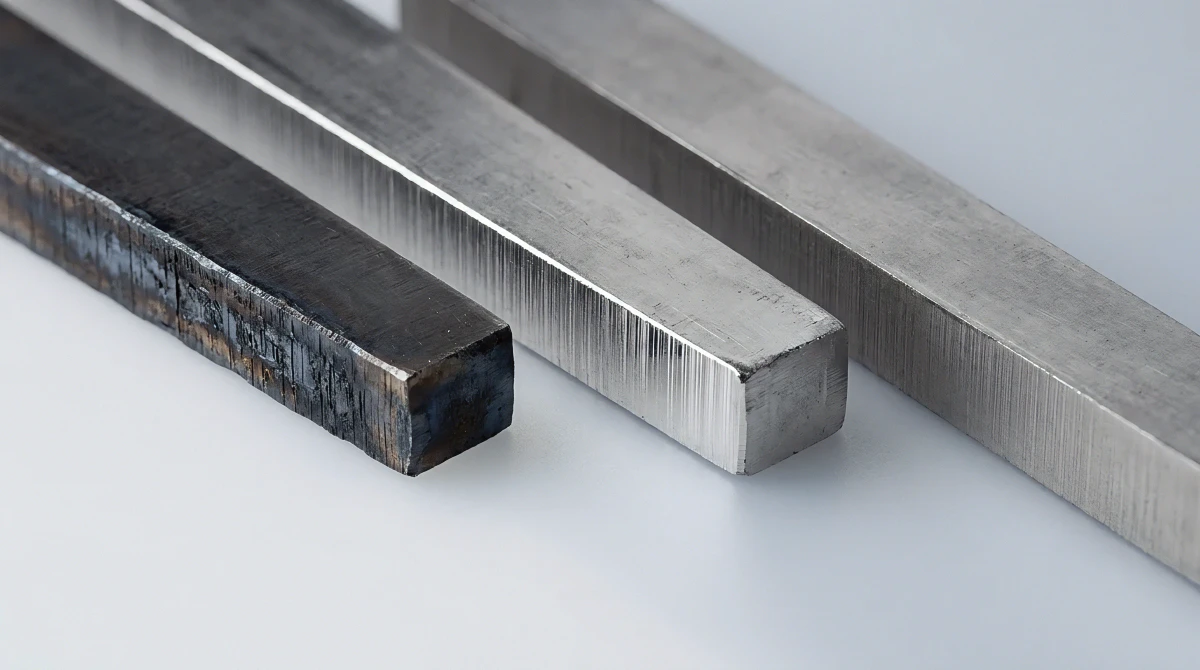
Galvanizing

Galvanizing is coating steel with zinc by dipping it in molten zinc, done to finished parts after cutting, bending and welding under ISO 1461.

Every Galvanizing article of the Sheet Metal Resources, newest first, each written from published standards, research and makers’ data.

Meaning

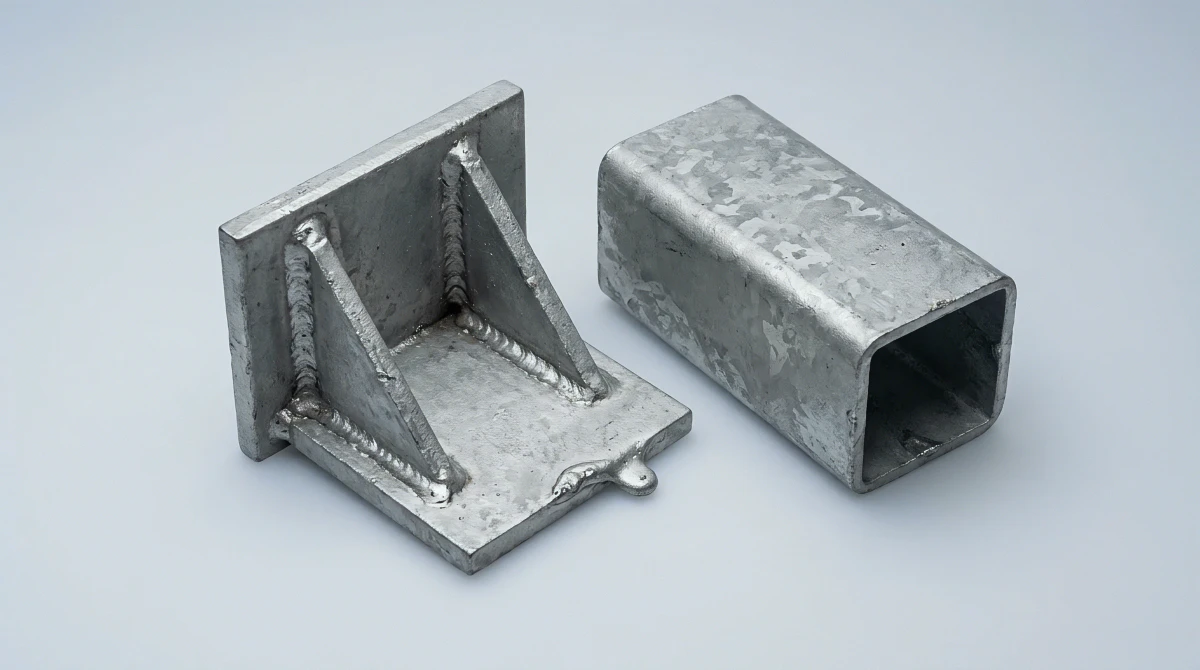
Galvanizing is coating steel with zinc by dipping it in molten zinc, done to finished parts after cutting, bending and welding under ISO 1461. The zinc protects the steel as a barrier and sacrificially where the coating is damaged. ISO 1461:2022 covers articles galvanized in batches by a galvanizer, not sheet galvanized continuously at the mill. Its coating thickness depends on the thickness of the steel.

Steel Choice

The steel’s chemistry controls how the zinc grows, and ISO 1461 sets no requirement on it. Mills mark suitable products: ArcelorMittal offers galvanizing suitability as an option designated +CL1 or +CL3 on its structural steels, and SSAB’s Domex 420MC meets category A for thin hot-dip zinc coatings in EN 10149-2 with silicon of 0.03 % at most. The Galvanizers Association warns that unreactive low-silicon steels can, in a small number of cases, prevent the standard’s thickness from being reached.
Read More

Cut Edges

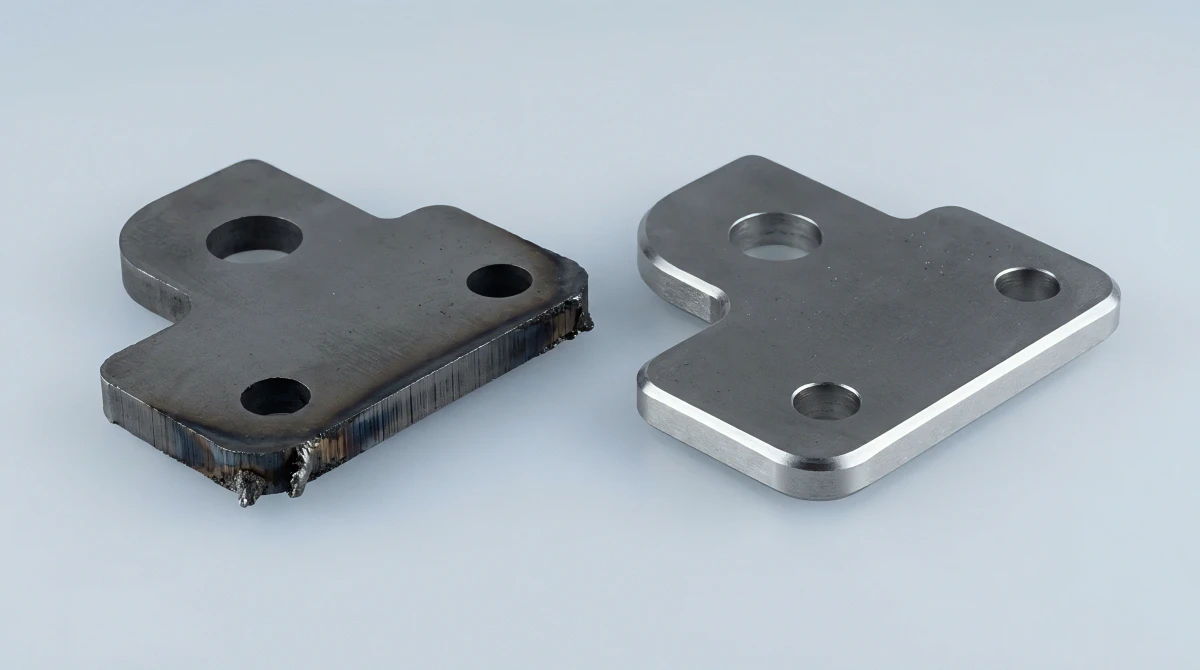
ISO 1461 notes that laser cutting, plasma cutting and flame cutting change the steel at the cut, so the coating there can be thinner and less adherent. It advises grinding cut surfaces and removing sharp edges before the parts go to the galvanizer, and it takes no thickness readings within 10 mm (0.39 in) of an edge. On small sheet parts that zone is a large share of the surface.

Design for the Bath

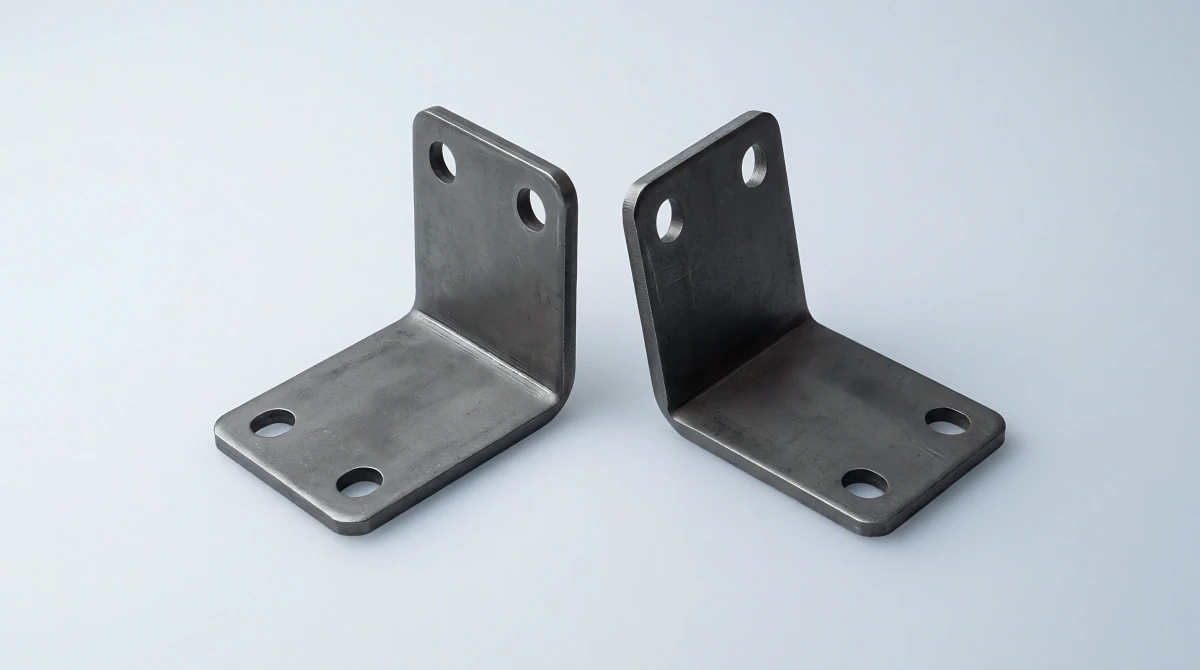
Venting and draining follow the standard’s Annex B, and lapped joints joined by intermittent welds can show weld seepage, which ISO 1461 treats as an aesthetic effect, not a reason to reject. Bending or forming after galvanizing is not considered normal handling, so parts are bent first.

Who Specifies It

The galvanizer usually works as a subcontractor to the fabricator, so every galvanizing requirement, from the edition of ISO 1461 to the edge preparation and any paint to follow, is written on the order to the fabricator.
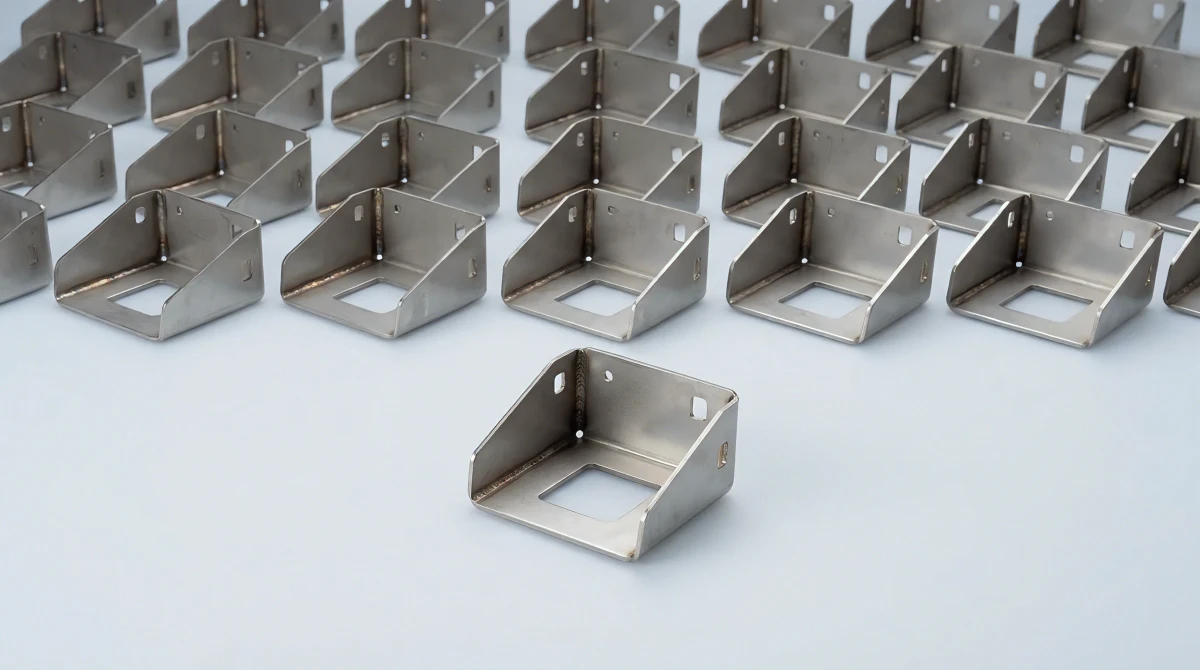
Sheet Metal Inspection From First Article to Batch Release

Measure the first part against every requirement, then release each lot on a defined sample, with weld, coating and hardware checks tied to their standards.

First Article Inspection for Sheet Metal PartsA first article inspection measures the first part made by the production process against every requirement on the drawing and records the result. In aerospace the practice has its own standard, SAE AS9102, whose scope is to establish the baseline requirements for performing and documenting a first article inspection.

ISO 1461 Hot-Dip Galvanizing of Fabricated Steel Parts

ISO 1461 sets zinc thickness by steel thickness, measures it away from edges, and expects cut edges ground and parts bent before galvanizing.

What ISO 1461 Covers for Cut and Bent Steel PartsISO 1461:2022, the fourth edition, sets out the properties and test methods of zinc coatings formed when finished iron and steel articles, some castings included, are dipped in molten zinc holding at most 2 % of other metals. Its key word is fabricated: the parts are cut, formed and welded first and galvanized afterward in batches, by a company the standard now defines as the galvanizer.

High-Strength Steel Sheet S355 and S420 and the Springback It Brings

Order S355 or S420 for bent parts as the EN 10149-2 MC grade, bend at the recommended radius, and expect more springback than mild steel.

S355 and S420 Sheet Grades in EN 10149-2 and EN 10025-2High-strength sheet for cut and bent parts comes mainly from two European product standards. EN 10025-2 covers non-alloy structural steels, the S235, S275 and S355 families with the JR, J0 and J2 suffixes that set the impact-test temperature.

Cold Rolled DC01 and Hot Rolled S235 Steel Sheet for Cut and Bent Parts

Choose DC01 for thin formed parts that need tight thickness, flatness and a clean surface, and S235 for thicker load-bearing parts, then name the standard on the order.

DC01 and S235 Compared for Laser Cut and Bent Sheet PartsDC01 is a cold-rolled non-alloy mild steel for cold forming under EN 10130, material number 1.0330, which ArcelorMittal describes as having a guaranteed maximum yield and tensile strength, a guaranteed minimum elongation and good formability. S235 is a hot-rolled carbon-manganese structural steel under EN 10025-2, described by the same mill as having a guaranteed minimum yield and tensile strength and satisfactory ductility, in JR, J0 and J2 versions that differ in impact-test temperature.

Laser Cutting Sheet Metal With Oxygen, Nitrogen or Air Assist Gas

Oxygen, nitrogen and air each leave a different edge on laser cut sheet, and the choice of gas settles speed, finishing work and what the next process accepts.

Which Assist Gas Cuts Which Sheet MetalThree gases cover almost all sheet work: oxygen, nitrogen and compressed air. Oxygen belongs to carbon and low-alloy steel, nitrogen to stainless steel and aluminum, and air sits between them as the cheaper trade for thin parts that tolerate a slightly darker edge.

Request a Sheet Metal Quote

Send the 2D drawing and the 3D file, with the quantity and the stage of the project. An engineer replies within 1 working day.

The quote form, the mutual NDA and the private folder for your files are on Protolis Atelier, with Sheet Metal chosen.

Request a Quote