Carbon Steel

Carbon steel is steel without the chromium of stainless, the material oxygen assist gas is used on in laser cutting.

Every Carbon Steel article of the Sheet Metal Resources, newest first, each written from published standards, research and makers’ data.

Meaning

Carbon steel is steel without the chromium of stainless, the material oxygen assist gas is used on in laser cutting. It is the reference against which stainless and aluminum are compared in most shop data. It also behaves differently from stainless at the laser, at the weld and beside other metals.

Oxygen Cutting

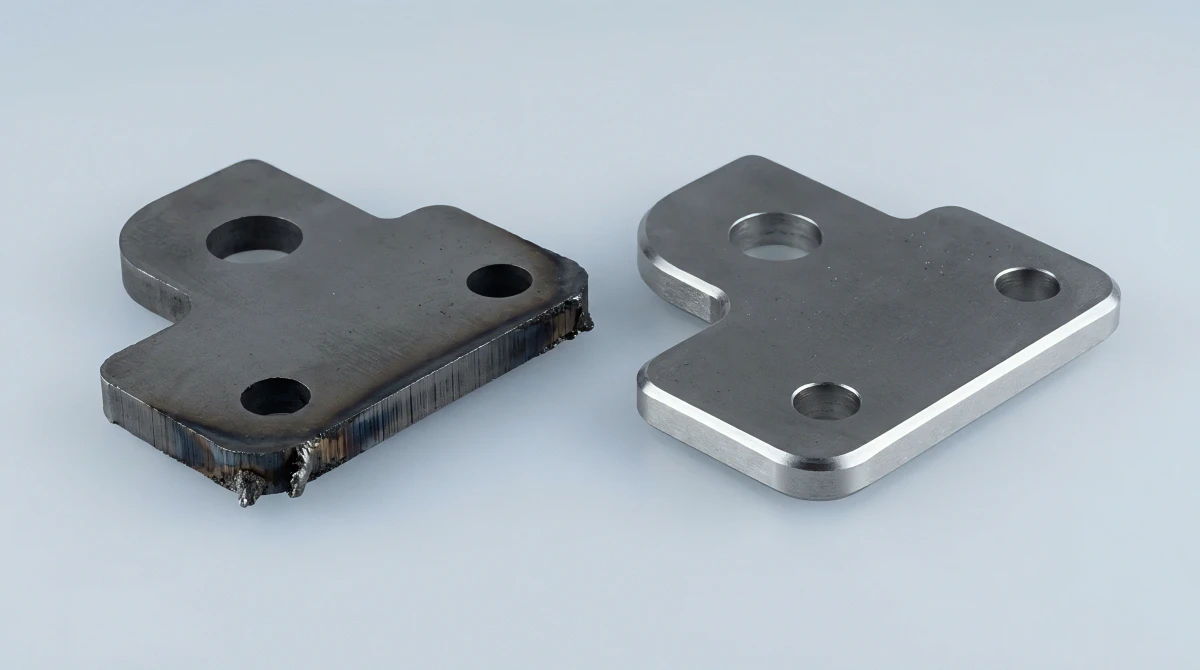
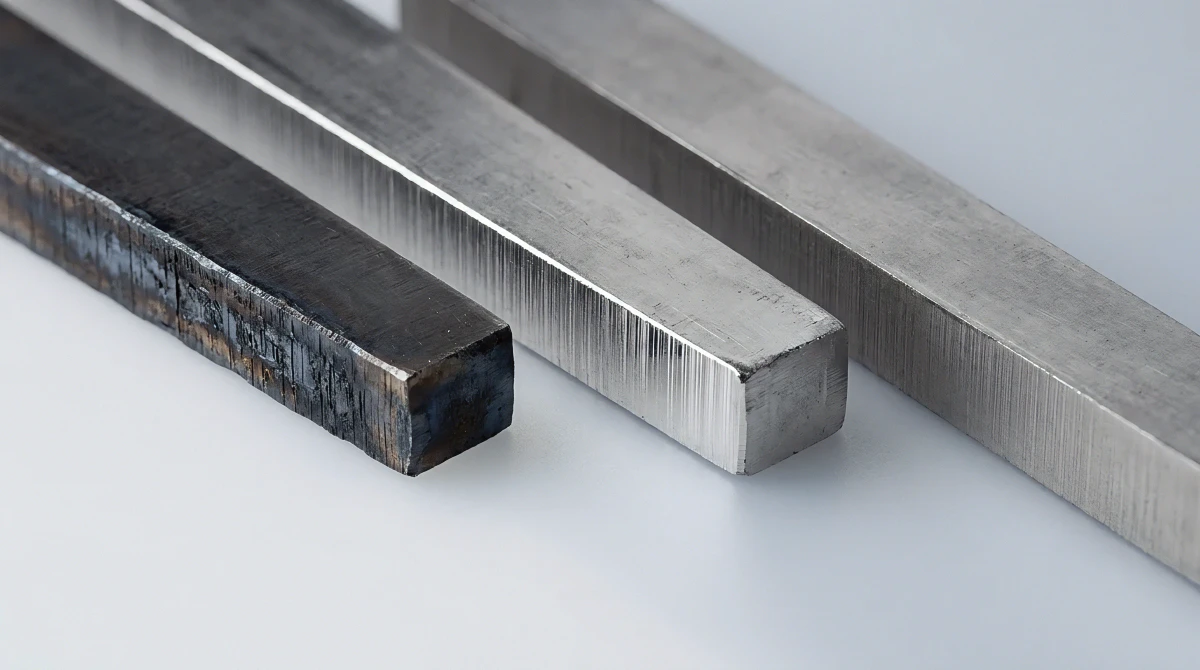
Oxygen belongs to carbon and low-alloy steel, because it burns the metal and adds heat to the cut. GWEIKE uses 0.5 to 0.7 bar (7 to 10 psi) for most thicknesses. It rises to 1.0 to 1.5 bar (15 to 22 psi) from 25 mm (0.98 in). At 10 mm (0.39 in), a 12 kW machine cuts no faster than a 6 kW one, since the reaction sets the pace. The result is a scaled, oxide-coated edge.
Read More

Gas Blends

Thin carbon steel is often cut with air or nitrogen instead. GWEIKE lists both at 10 to 16 bar (145 to 232 psi). On 6 kW, 1 mm (0.04 in) sheet runs at 35 to 45 m/min (1,380 to 1,770 in/min). Air Liquide lists a blend of nitrogen with 5 % oxygen for low-alloy steel. It sits between the slow pure nitrogen cut and the heavy oxide of pure oxygen.

Against Stainless

Against carbon steel, stainless expands more and holds heat near the seam. A stainless seam therefore heats a narrower strip and distorts more, per Euro Inox. Bending force for austenitic stainless runs about 50 % above carbon steel of similar thickness. Carbon steel particles on stainless tools contaminate the stainless surface. Wire wool of carbon steel is never used to clean stainless, for the same reason.

Galvanic Pairs

Euro Inox notes that stainless is more noble than uncoated or galvanized carbon steel. Unless the two are electrically separated, moisture corrodes the carbon steel. A nylon or neoprene barrier at a stainless fixing breaks the contact.
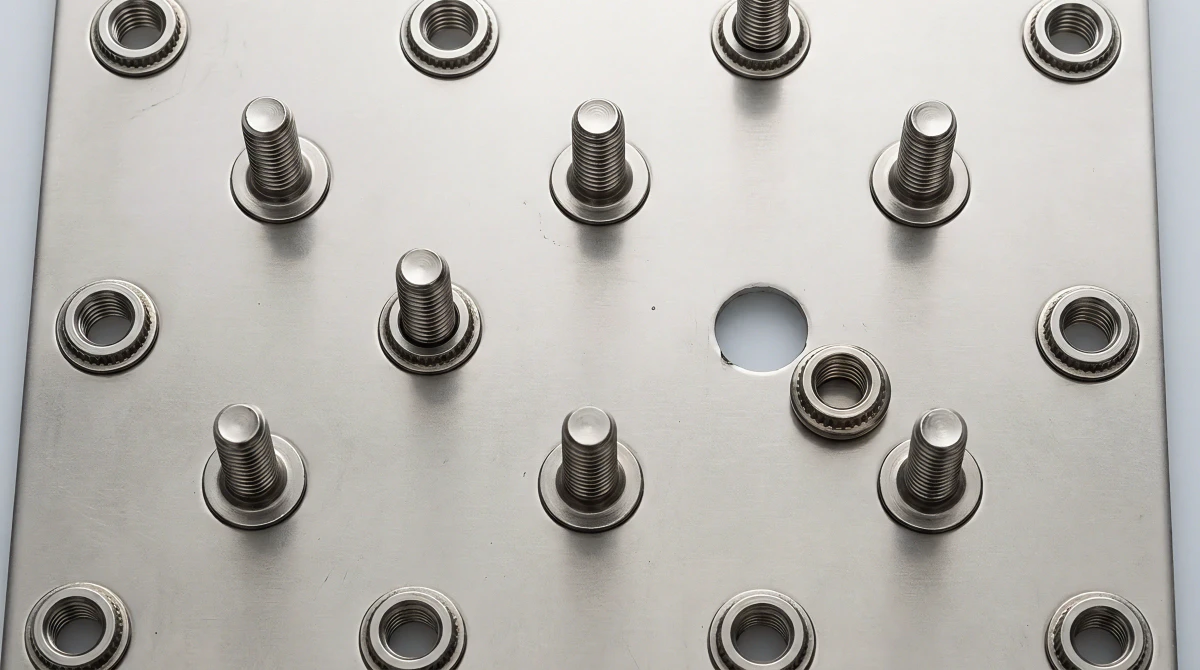
Inserting Self-Clinching Fasteners in Sheet Metal Step by Step

Cut the hole to size without deburring, check the sheet is soft enough, finish the panel, then squeeze the nut in parallel until its head meets the sheet.

How a Self-Clinching Nut Locks Into Thin SheetInstallation takes three moves. First a hole of the specified size is punched or drilled, the nut's shank is placed in it, and a press squeezes nut and sheet between parallel surfaces until the head meets the sheet.

Laser Cutting Sheet Metal With Oxygen, Nitrogen or Air Assist Gas

Oxygen, nitrogen and air each leave a different edge on laser cut sheet, and the choice of gas settles speed, finishing work and what the next process accepts.

Which Assist Gas Cuts Which Sheet MetalThree gases cover almost all sheet work: oxygen, nitrogen and compressed air. Oxygen belongs to carbon and low-alloy steel, nitrogen to stainless steel and aluminum, and air sits between them as the cheaper trade for thin parts that tolerate a slightly darker edge.

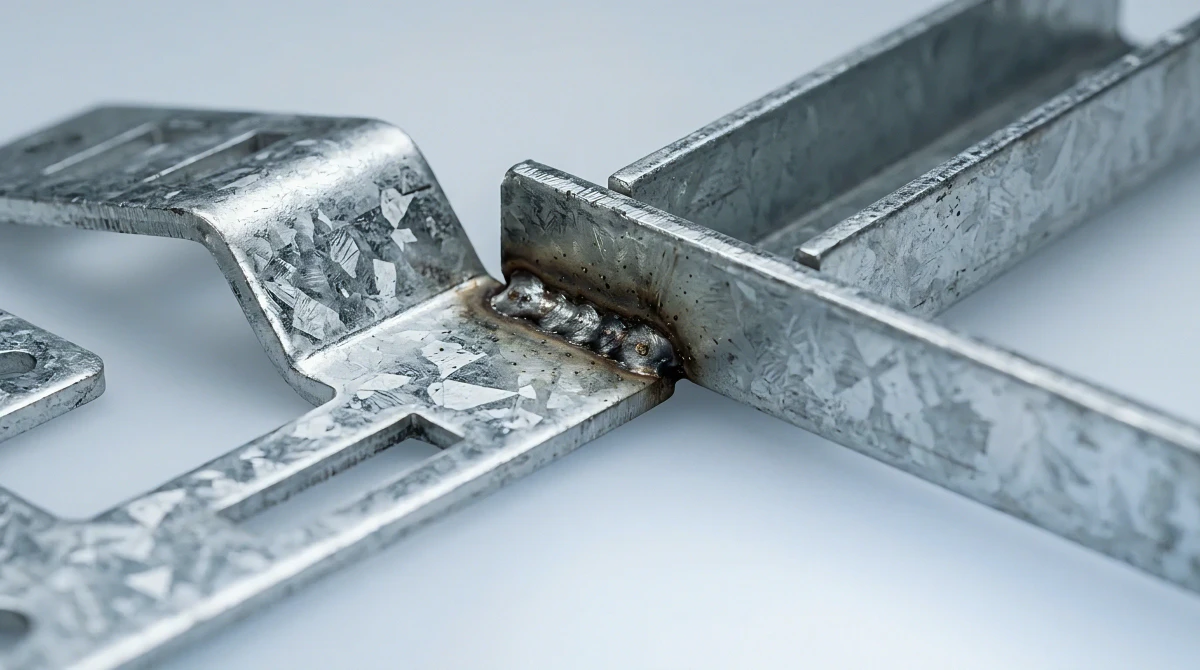
Galvanized Steel Sheet Coating Weight Designations for Cut and Welded Parts

Read the coating designation as a minimum zinc mass over both faces, name the standard and test basis, and plan ventilation for cutting and welding.

What a Coating Weight Designation Says About the SheetA designation states the minimum mass of zinc, or zinc alloy, on the sheet and the units it is stated in. G90 means hot-dip galvanized, with a triple spot test average of at least 0.90 ounce per square foot, counted over both sides together.

Request a Sheet Metal Quote

Send the 2D drawing and the 3D file, with the quantity and the stage of the project. An engineer replies within 1 working day.

The quote form, the mutual NDA and the private folder for your files are on Protolis Atelier, with Sheet Metal chosen.

Request a Quote