TIG

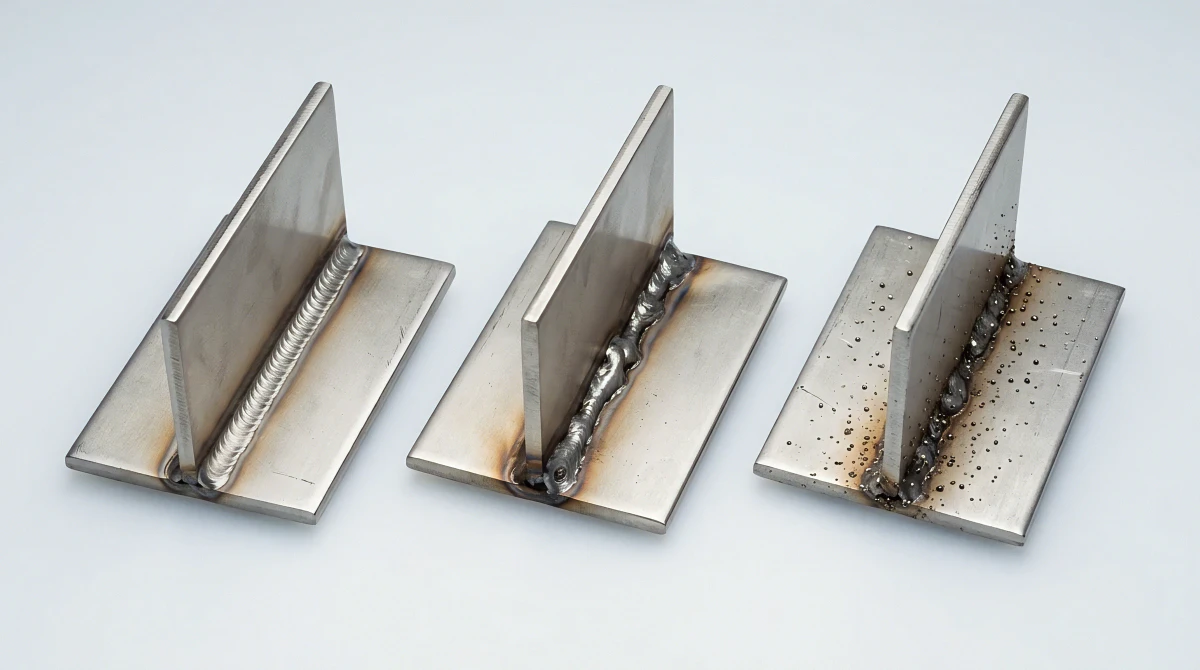
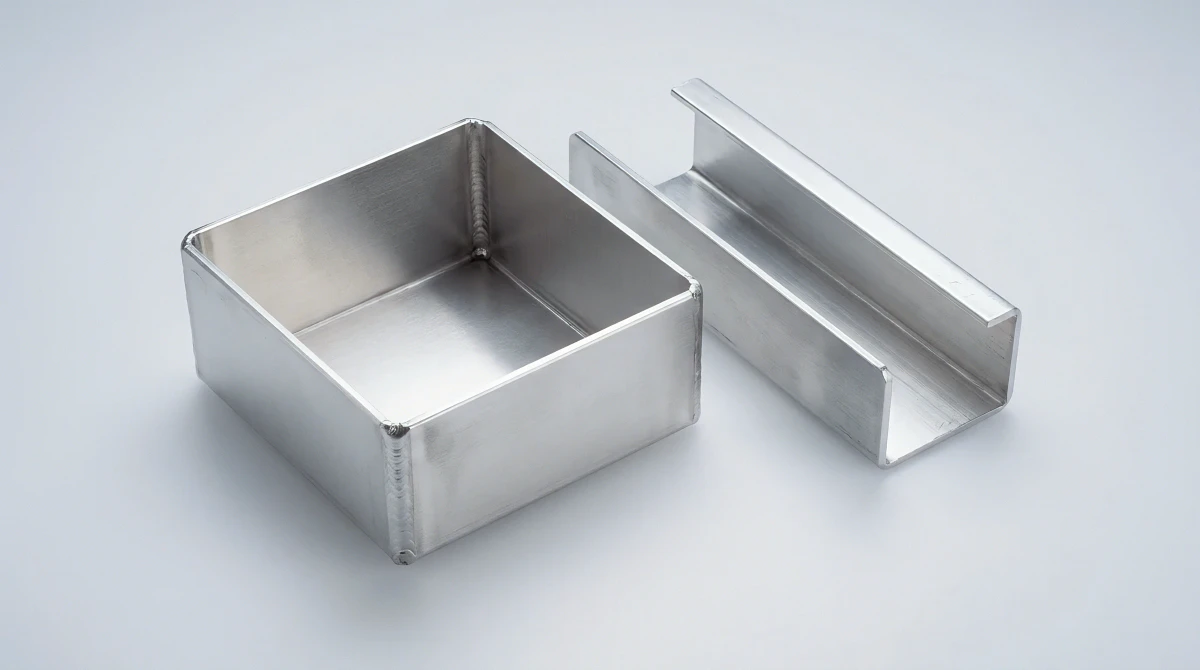
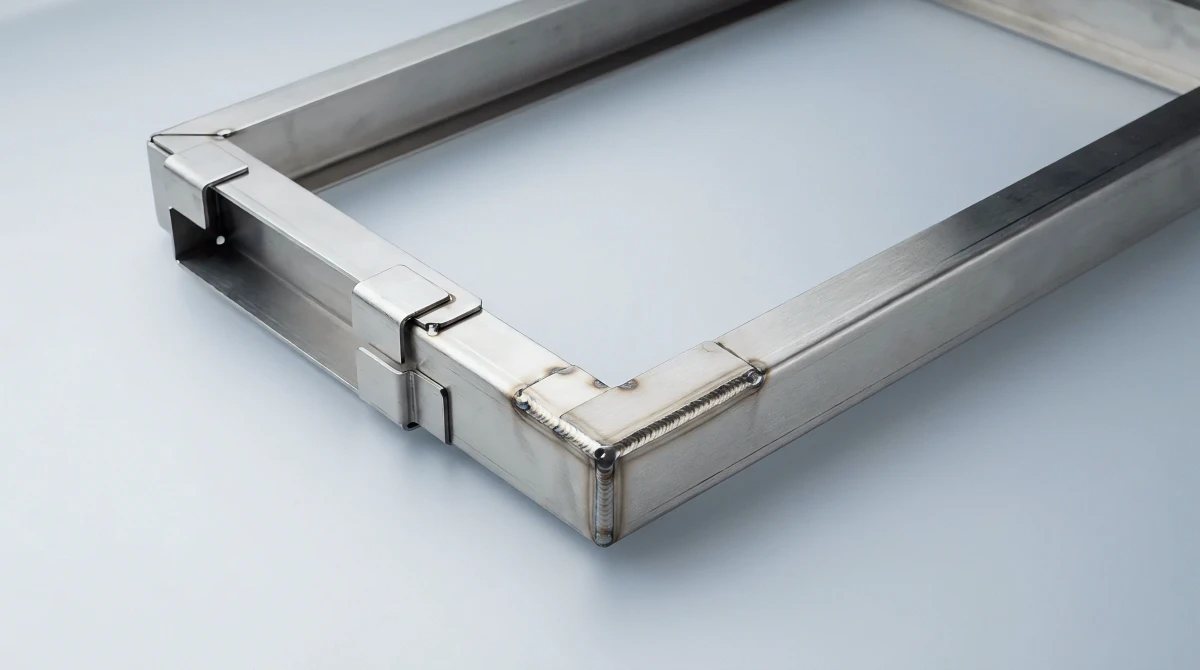
TIG welding, tungsten inert gas, is ISO 4063 process 14, used on thin stainless, aluminum and steel sheet where the seam is seen.

Every TIG article of the Sheet Metal Resources, newest first, each written from published standards, research and makers’ data.

Meaning

TIG welding, tungsten inert gas, is ISO 4063 process 14, used on thin stainless, aluminum and steel sheet where the seam is seen. ISO 5817 covers it among its listed processes. A smooth TIG pass is also how a level B weld toe is dressed.

Materials

Lincoln Electric notes that 5xxx alloys are arc weldable by TIG and MIG. Euro Inox names TIG among the processes that suit stainless sheet. The filler follows the base metal: 316L or 16-8-2 for 316, 4043 or 5356 for 5052.
Read More

TIG Dressing

ISO 5817 notes that level B values may need grinding or TIG dressing. A level B butt weld has to blend into the plate at a toe angle of 150 degrees or flatter. In practice that means dressing or a smooth TIG pass.

Heat and Speed

TWI favors processes that deposit weld metal quickly with the fewest runs. It prefers MIG to manual metal arc and names mechanized welding as the most consistent. A TIG seam on thin stainless therefore benefits from a planned sequence. 316 also needs a slower arc speed than 304, per Cleveland-Cliffs.

Thin Sheet Limits

On thin sheet, a TIG seam meets ISO 5817 limits written as fractions of the thickness. At level B, no surface pores, short undercut or sagging are allowed in 0.5 to 3 mm (0.02 to 0.12 in) material. A level B seam on 1.5 mm (0.059 in) sheet therefore leaves nothing to grind away.

Aluminum Seams

A TIG seam on 5052 is outside ISO 5817. Its quality level comes from an aluminum weld standard named on the drawing.

ISO 5817 Weld Quality Levels B, C and D for Sheet Metal Parts

Name a quality level per joint, cite the current edition, and agree how thin-sheet welds are inspected and finished.

What Quality Levels B, C and D Mean for a Sheet Metal WeldISO 5817 specifies quality levels for imperfections in fusion-welded joints in steel, nickel, titanium and their alloys. It applies to material 0.5 mm thick and above and covers fully penetrated butt welds and all fillet welds.

5052 H32 Aluminum Sheet for Bending and Welding

Name the alloy, temper and specification, draw bend radii from a trial bend at the real thickness, and design welded joints to the annealed strength the weld leaves.

What 5052 H32 Offers a Bent and Welded Aluminum PartAlloy 5052 is an aluminum-magnesium alloy, registered in the United States in 1954. The Aluminum Association's international alloy register sets its composition: silicon 0.25 % maximum, iron 0.40 %, copper 0.10 %, manganese 0.10 %, magnesium 2.2 to 2.8 %, chromium 0.15 to 0.35 %, zinc 0.10 %, and 0.05 % each and 0.15 % in total for other elements, with aluminum the remainder.

316L Stainless Steel Sheet for Laser Cutting and Bending

Choose the molybdenum-bearing low-carbon grade for chloride exposure, plan overbend on the brake, and write the finish and weld tint rules on the drawing.

What 316L Sheet Adds Over 304L in a Cut and Bent PartType 316L is Type 316 with the carbon ceiling lowered from 0.08 % to 0.03 % by weight. Both carry 16.0 to 18.0 % chromium, 10.0 to 14.0 % nickel and 2.00 to 3.00 % molybdenum, according to the Cleveland-Cliffs product bulletin for the two types.

Request a Sheet Metal Quote

Send the 2D drawing and the 3D file, with the quantity and the stage of the project. An engineer replies within 1 working day.

The quote form, the mutual NDA and the private folder for your files are on Protolis Atelier, with Sheet Metal chosen.

Request a Quote