Burr

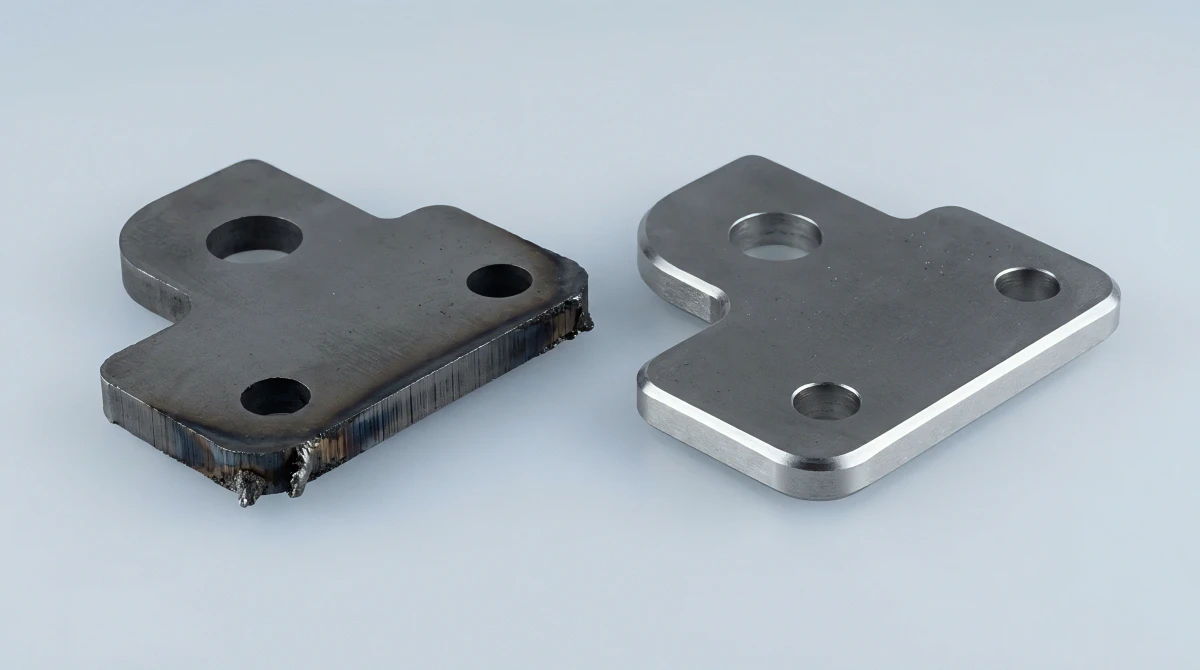
A burr is the thin lip of metal left on the lower edge of a laser cut, and on die-cut edges as the punch dulls.

Every Burr article of the Sheet Metal Resources, newest first, each written from published standards, research and makers’ data.

Meaning

A burr is the thin lip of metal left on the lower edge of a laser cut, and on die-cut edges as the punch dulls. On a laser part it forms from melt that cooled before it left the kerf. In a die it grows as the punch dulls. Either way it can stop parts from seating, mating or coating well.

Burr and Dross

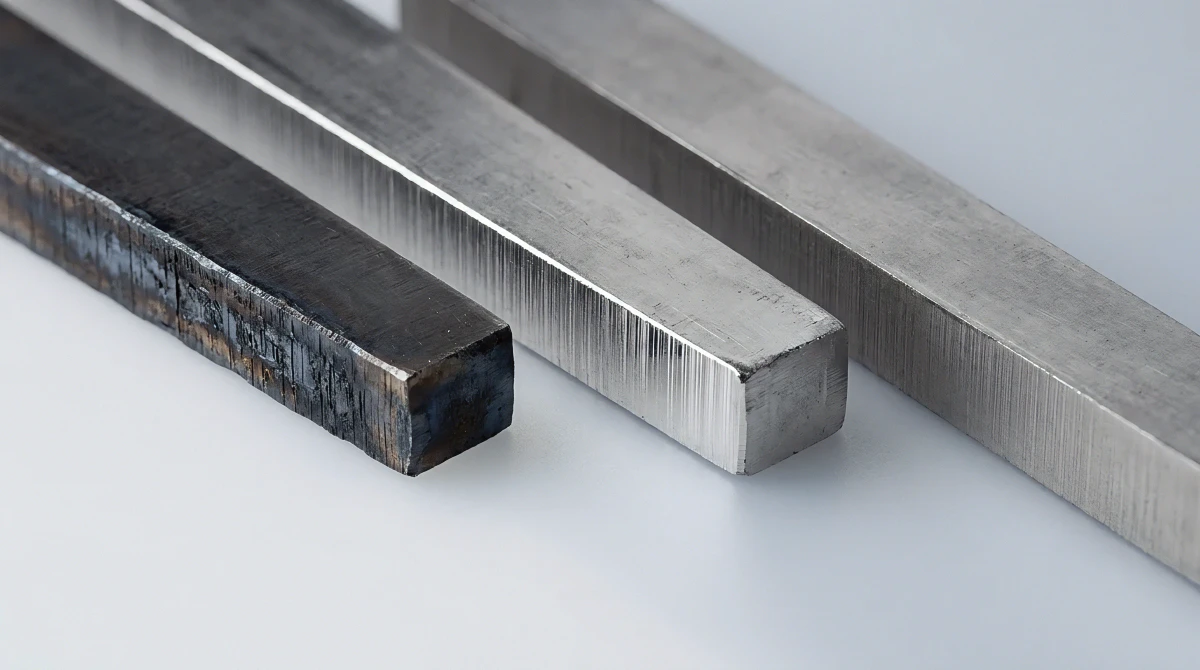
Burr and dross are different defects. A burr is a thin lip, while dross is a thicker, beaded residue that is harder to remove. Trumpf notes that a wrong cutting speed raises roughness and causes burr. Shop experience in All About Industries says 0.5 bar (7 psi) more nitrogen often removes burrs. The same article notes fiber burrs on nitrogen cuts that call for deburring.
Read More

In the Die

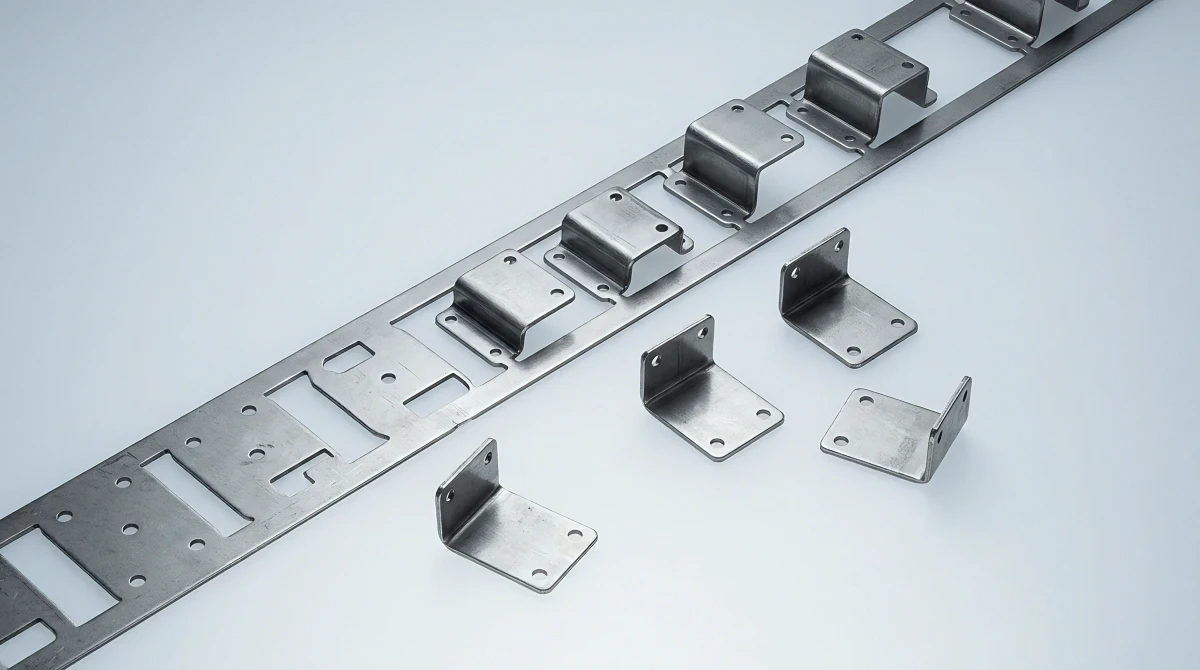
A progressive die changes as it runs. Punches dull, clearances open and the burr grows. Sharpening the die changes the clearance and the side the burr forms on. An edge made by a die has its own burr and break pattern, unlike a laser edge.

Before Welding

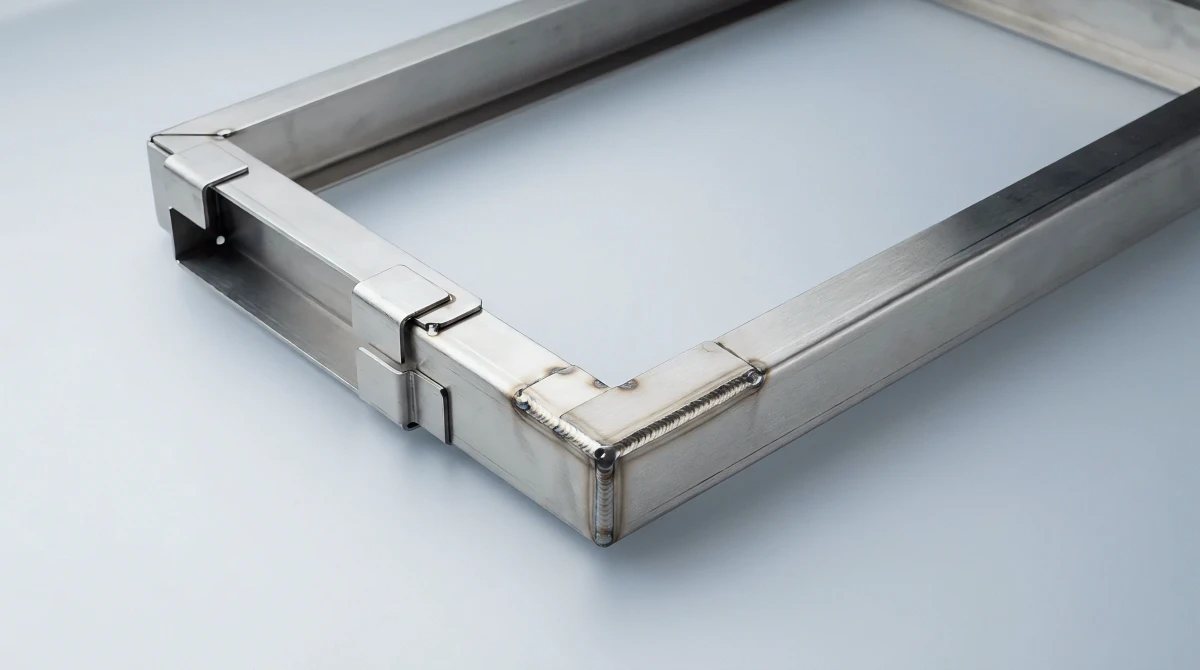
Burrs keep panels from seating flat. A panel that does not seat leaves a gap that closes as the weld cools. Dressing the edge removes the burr before fit-up.

On the Order

The request states whether burr is removed, and to what radius or feel. Mating edges are called out, since kerf compensation and edge condition both reach them. The bottom edge is the first place to look on a laser part.
Sheet Metal Inspection From First Article to Batch Release

Measure the first part against every requirement, then release each lot on a defined sample, with weld, coating and hardware checks tied to their standards.

First Article Inspection for Sheet Metal PartsA first article inspection measures the first part made by the production process against every requirement on the drawing and records the result. In aerospace the practice has its own standard, SAE AS9102, whose scope is to establish the baseline requirements for performing and documenting a first article inspection.

Progressive Die Stamping After Laser Cut and Bent Sheet Metal Parts

A progressive die makes parts in minutes but takes months to build and wants a design that has stopped, so quantity and design stability choose between die and laser.

What Changes When a Part Moves From Laser and Brake to a DieIn laser and brake work, a flat blank is cut by a beam from a program and bent on a press brake with standard tooling, so a part exists the day the drawing and the sheet exist. In progressive stamping, a continuous strip passes through one die set with several stations.

Laser Cutting Sheet Metal With Oxygen, Nitrogen or Air Assist Gas

Oxygen, nitrogen and air each leave a different edge on laser cut sheet, and the choice of gas settles speed, finishing work and what the next process accepts.

Which Assist Gas Cuts Which Sheet MetalThree gases cover almost all sheet work: oxygen, nitrogen and compressed air. Oxygen belongs to carbon and low-alloy steel, nitrogen to stainless steel and aluminum, and air sits between them as the cheaper trade for thin parts that tolerate a slightly darker edge.

Request a Sheet Metal Quote

Send the 2D drawing and the 3D file, with the quantity and the stage of the project. An engineer replies within 1 working day.

The quote form, the mutual NDA and the private folder for your files are on Protolis Atelier, with Sheet Metal chosen.

Request a Quote