Meaning
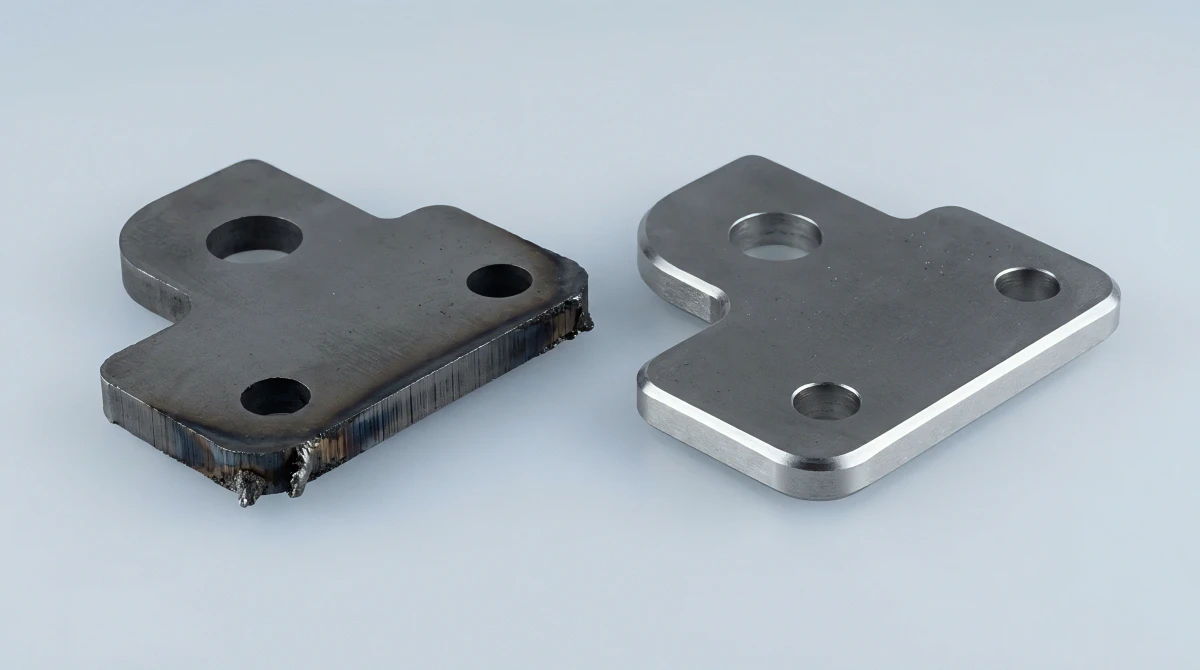
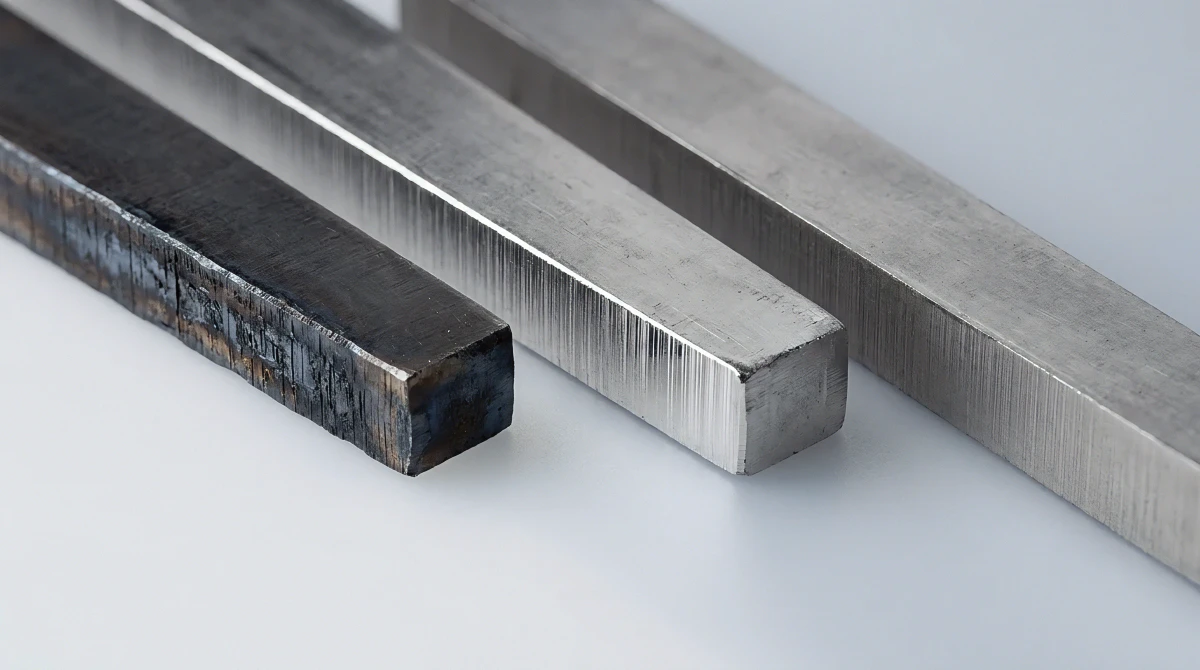
Nitrogen is the inert assist gas of laser cutting, used on stainless steel and aluminum, where it blows the melt out without burning the metal. It leaves a bright, scale-free edge. It needs far more pressure and flow than oxygen. Its purity decides the color of a stainless edge.Pressure and Flow
Because nitrogen does the whole job of clearing the kerf, it runs at high pressure. TRUMPF prints 2 to 20 bar (29 to 290 psi) for fusion cutting. GWEIKE uses 10 to 12 bar (145 to 174 psi) for thin stainless, rising to 16 to 20 bar (232 to 290 psi) thick. The All About Industries article puts flow near 90 m³/h (3,180 ft³/h) on thick stainless. A shop running nitrogen all day buys it by the tank, not the cylinder.Read More
Purity
Linde says very thick stainless often needs nitrogen of at least 99.995 %. Oxygen contamination yellows the edge and leaves dross that is hard to remove. The effect grows when a slow cut gives the reaction more time.Speed by Power
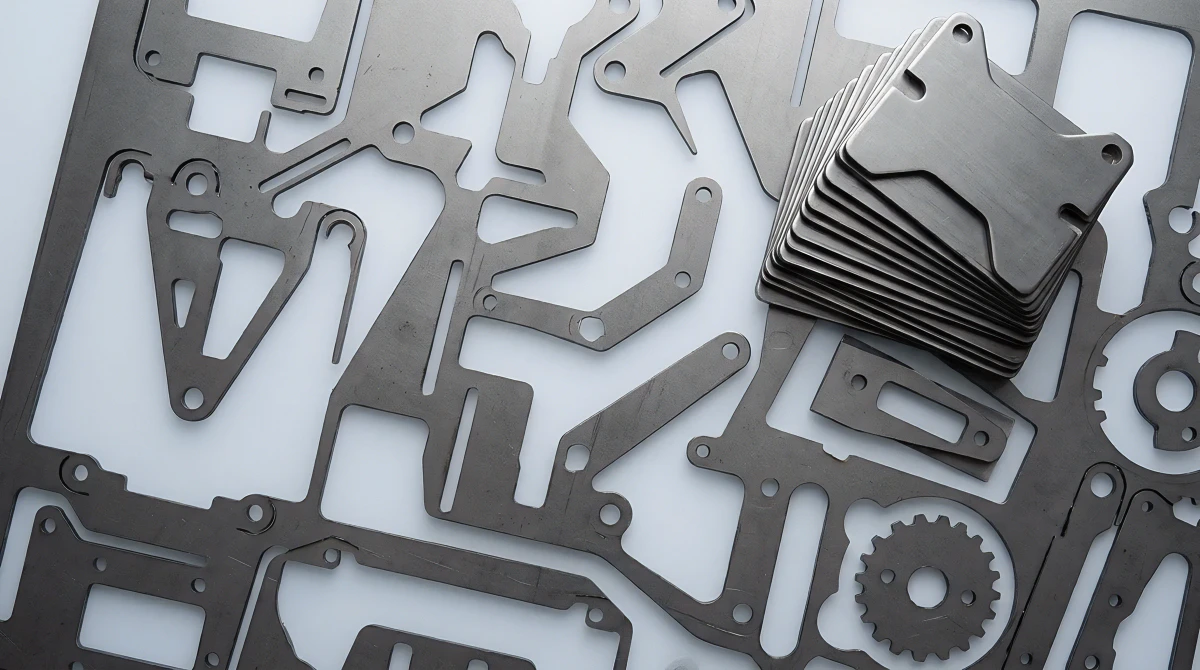
GWEIKE lists 3 mm (0.12 in) stainless at 15 to 18 m/min (590 to 710 in/min) on 6 kW. On 12 kW it runs at 30 to 35 m/min (1,180 to 1,380 in/min). A 2 mm (0.079 in) stainless nest takes 2.5 to 3.0 minutes of beam time per sheet on 6 kW.After the Cut
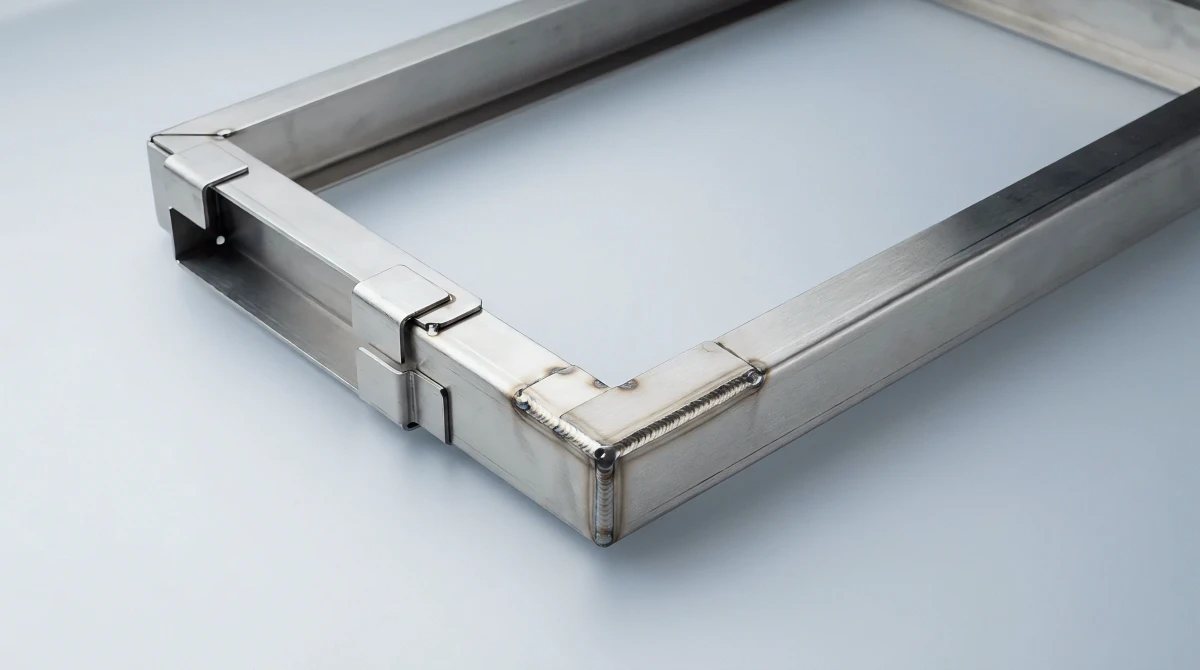
Nitrogen-cut edges are bright and go to the torch without cleaning. They also suit parts that will be seen, anodized or powder coated. Raising nitrogen by 0.5 bar (7 psi) often removes burrs, per shop experience.