Meaning
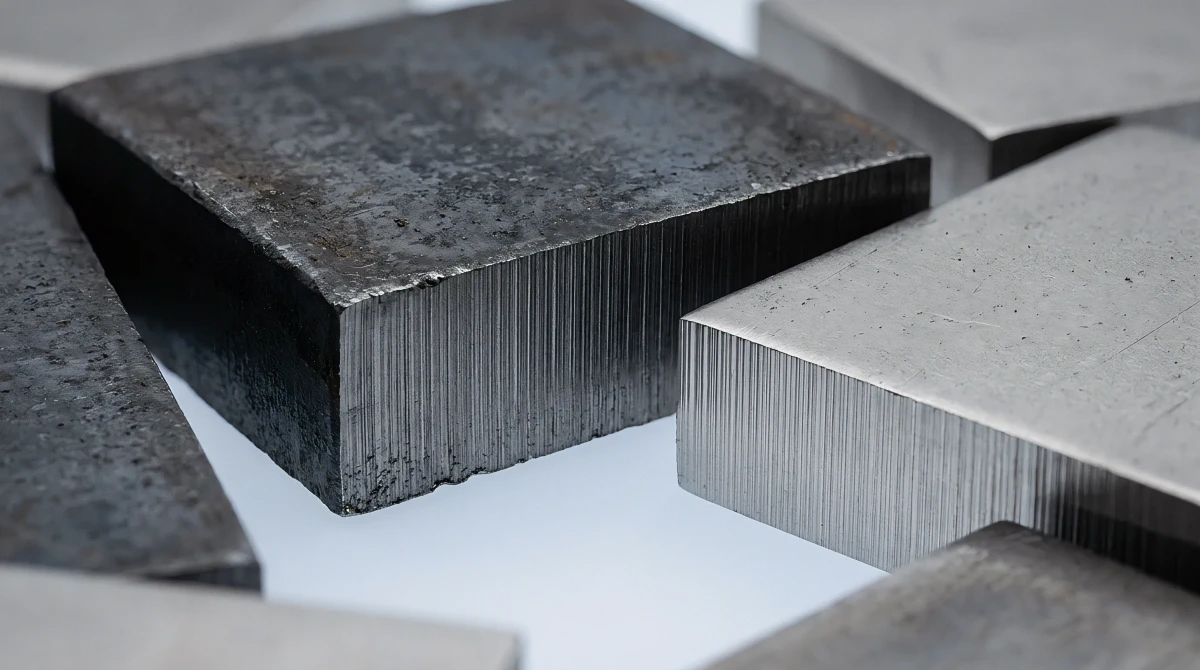
Flame cutting burns steel with an oxygen jet, either from an oxyfuel torch or, in laser work, with the beam heating the steel. ISO 9013 covers oxyfuel flame cuts from 3 to 300 mm (0.12 to 11.8 in). TRUMPF uses the term for laser cutting with oxygen, as against fusion cutting with nitrogen or argon. In both cases the oxygen reaction does part of the work.Dimensional Class
ISO 9013 Annex A lists class 2 as typical for oxyfuel flame cutting, against class 1 for laser. A drawing written for a flame-cut part can take class 2. A laser part given class 2 leaves the finer laser capability unused.Read More
Laser Pressure
In laser flame cutting, oxygen runs at low pressure. TRUMPF prints up to 6 bar (87 psi). Linde says pressure above 20 mm (0.79 in) thickness is rarely over 1 bar (15 psi) gauge. Too much pressure drives sideways burning, heavy dross or a cut that does not go through. The focus sits above the surface, the opposite of a nitrogen cut.Edge Effects
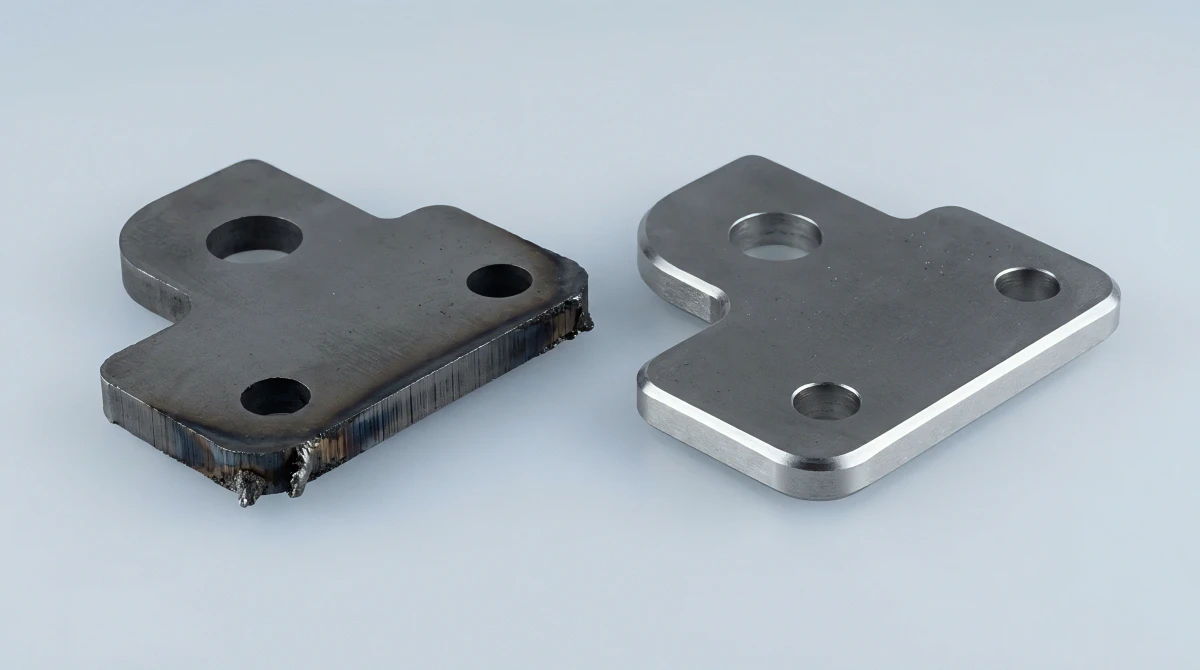
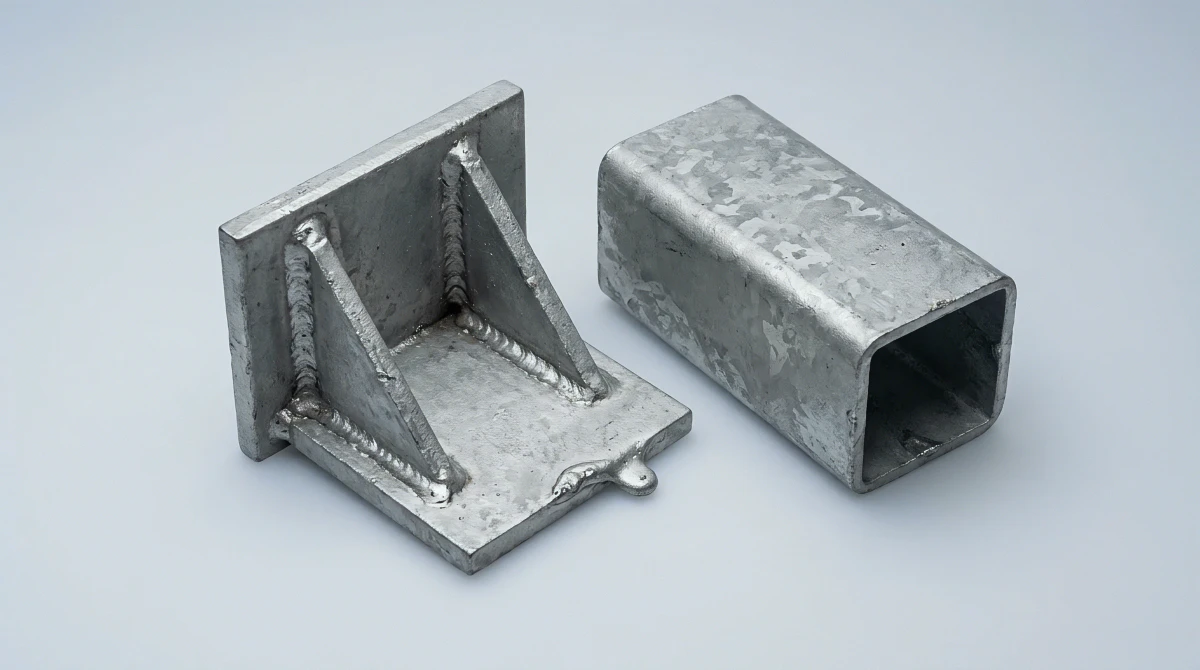
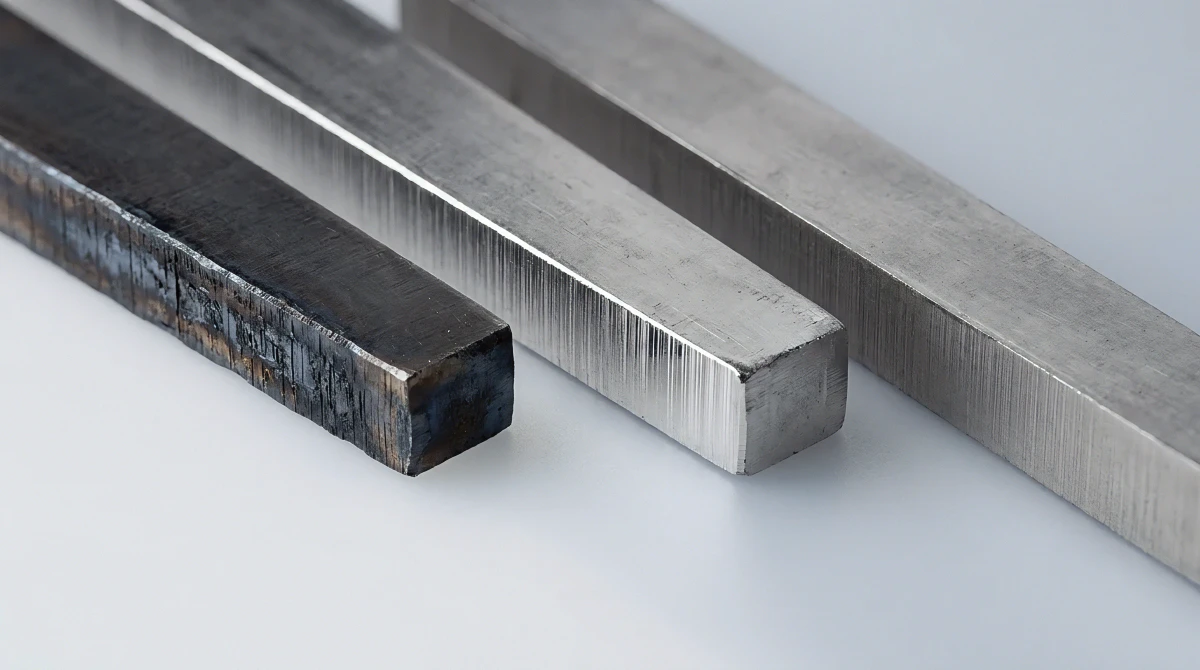
SSAB asks that thermal cut edges be deburred and rounded before bending. A flame or oxygen cut edge on thick plate is also oxidized. At the outside of a tight bend it starts cracks sooner than a clean edge. Before welding, the same edge is dressed so the oxide stays out of the pool.Process Change
An edge made by a die differs from a flame or laser edge. A part moved from thermal cutting to stamping is therefore checked as a new first article.