Meaning
Nickel is a main alloying element of austenitic stainless such as 304 and 316, and a base metal ISO 5817 covers. In 304 and 316 sheet its content shapes forming and welding. Higher nickel slows work hardening and slows the weld. It is one of the reasons 316 handles differently from 304.Content by Grade
Cleveland-Cliffs lists 8.00 to 12.00 % nickel for 304 and 304L. For 316 and 316L it lists 10.00 to 14.00 %, with 2.00 to 3.00 % molybdenum. The low-carbon L grades share the nickel range of their parent grade.Read More
Forming
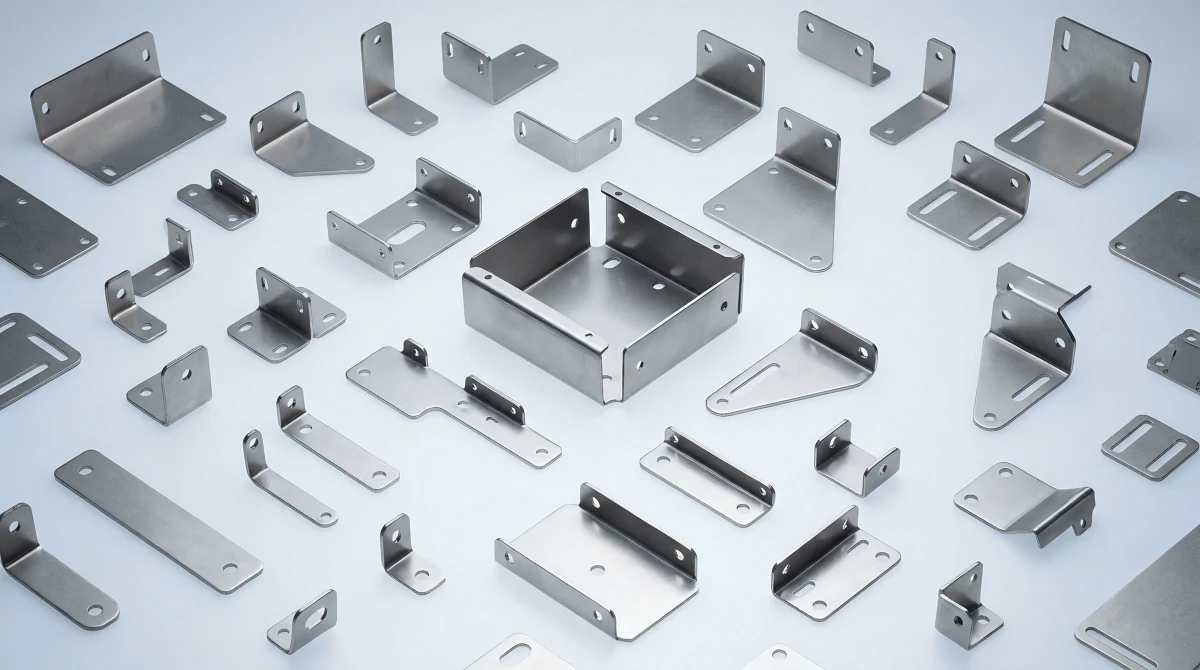
Austenitic stainless hardens as it deforms. Cleveland-Cliffs notes that 316 and 316L, with their higher nickel, work harden at a lower rate than 304. Annealed, they are very ductile and can be roll formed, deep drawn and bent. Highly cold worked material may become slightly magnetic.Welding Speed
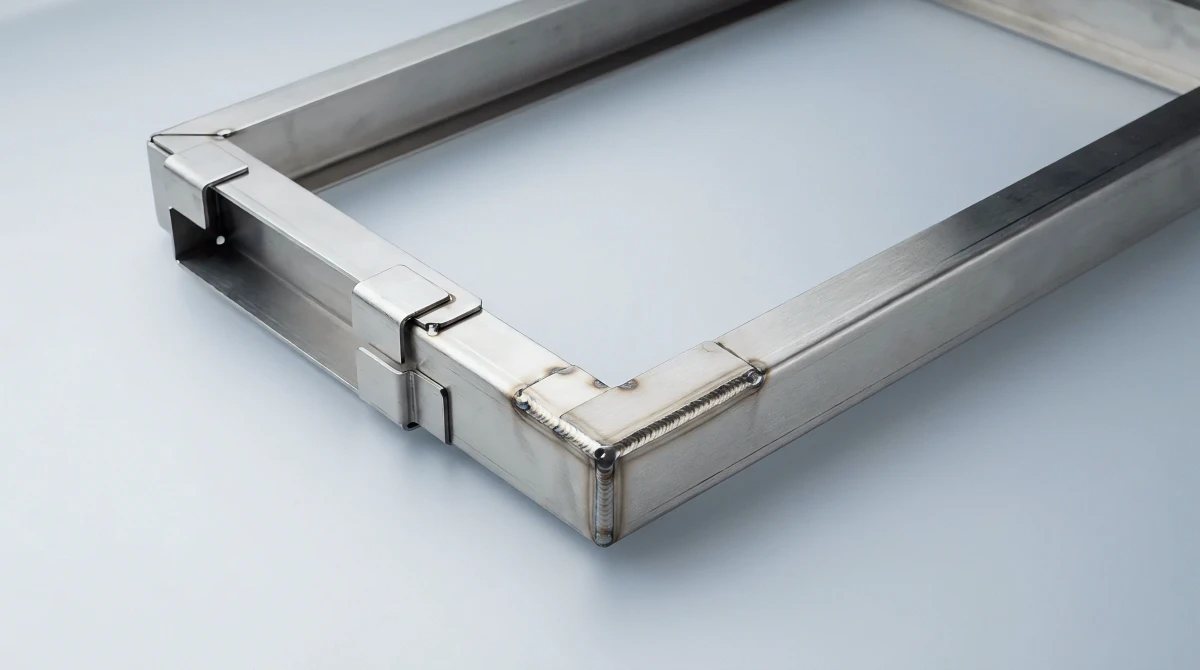
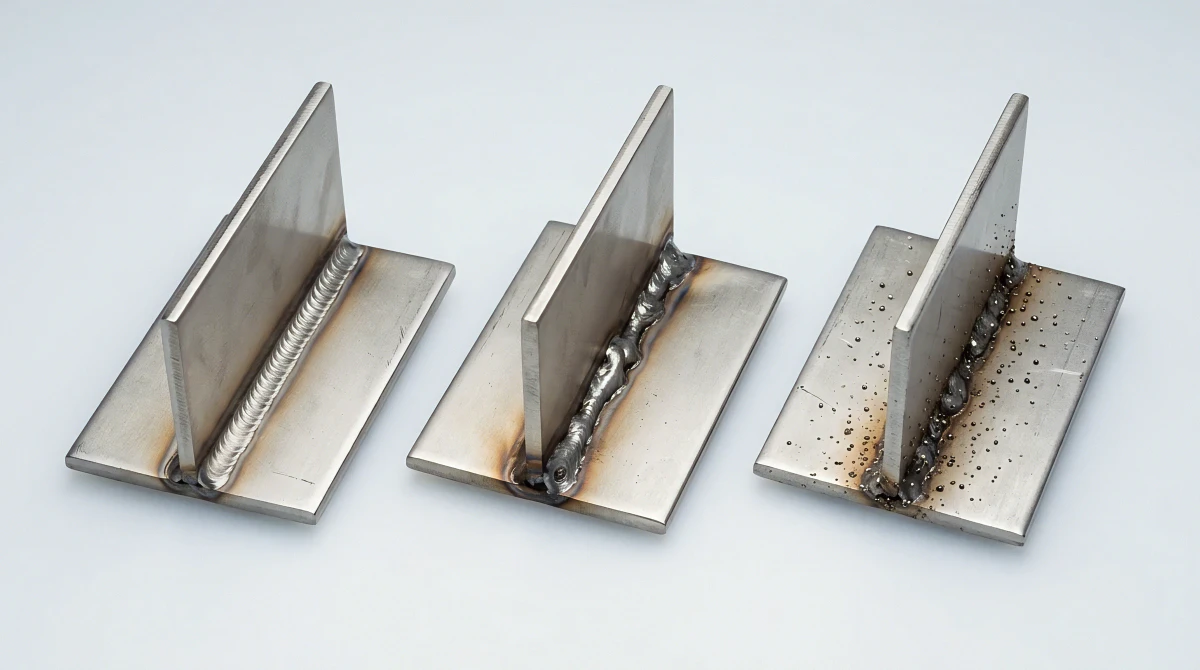
The same higher nickel makes 316 poorer than 304 in welding. Cleveland-Cliffs asks for a slower arc travel speed and more care against hot cracking. The weld deposit needs some ferrite. A thin 316 panel therefore takes more heat per length of seam and asks more of the weld sequence.In ISO 5817
ISO 5817 sets quality levels for fusion welds in steel, nickel, titanium and their alloys. Nickel alloys are therefore covered from 0.5 mm (0.02 in) thickness. Aluminum is not, so the same standard cannot grade an aluminum seam. A drawing for a nickel-bearing stainless part can therefore cite ISO 5817 directly, with a level per joint.