Distortion

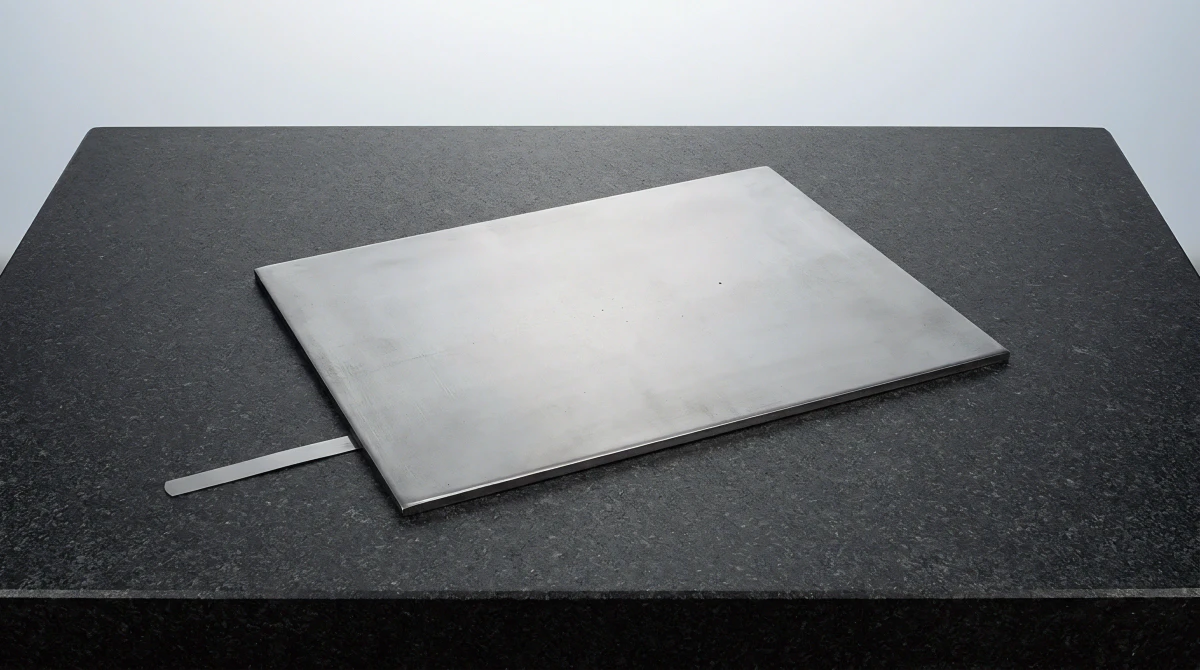
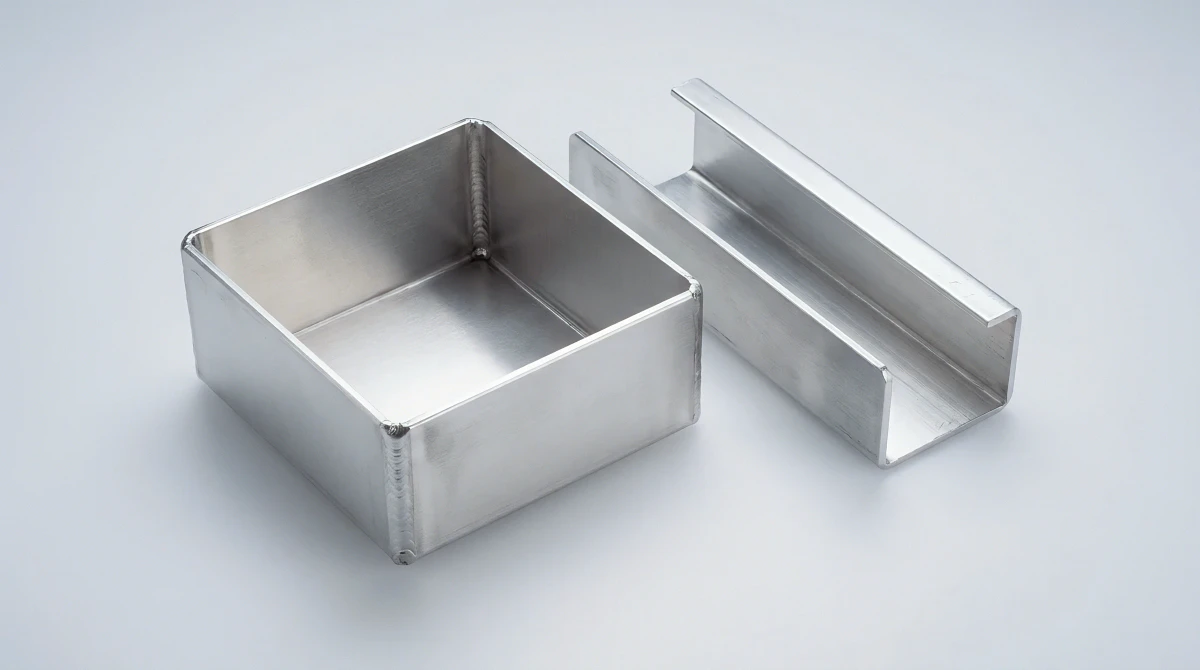
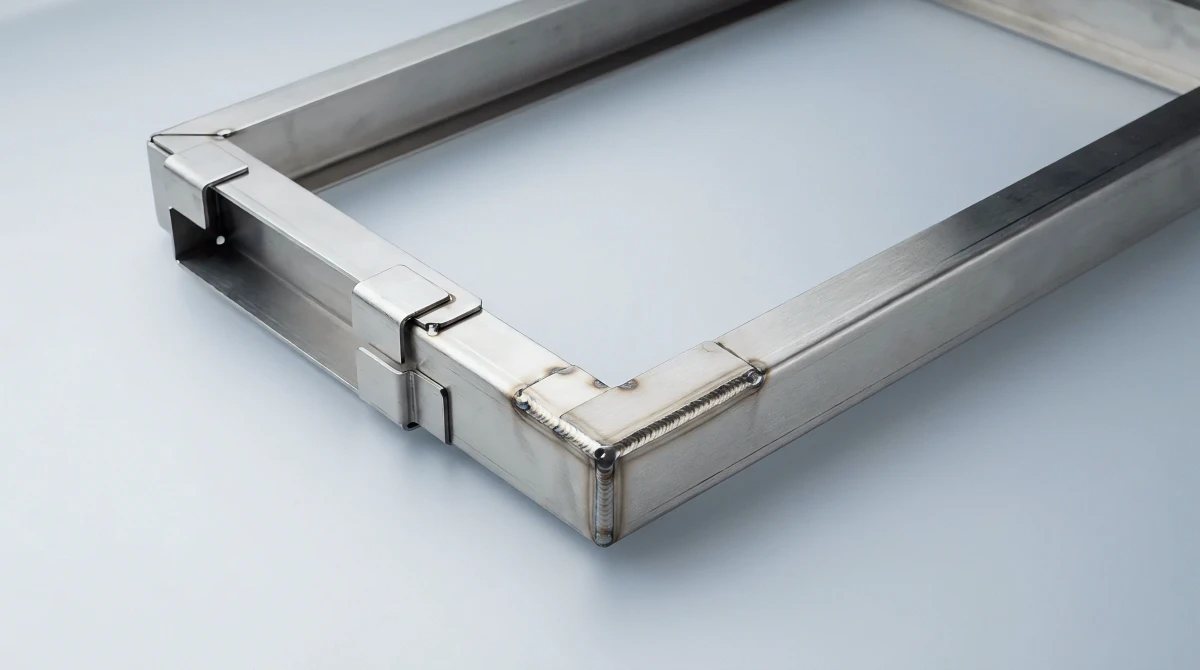
Distortion is the unwanted change of shape a sheet part takes from welding heat or released stress, such as bowing or angular pull.

Every Distortion article of the Sheet Metal Resources, newest first, each written from published standards, research and makers’ data.

Meaning

Distortion is the unwanted change of shape a sheet part takes from welding heat or released stress, such as bowing or angular pull. In thin sheet it is the main threat to a square, flat assembly. Most of it is settled by assembly and sequence, before the first seam. Clamping hides it without removing it.

Three Modes

TWI names three modes of weld distortion. Angular distortion rotates the plates about the seam. Longitudinal shrinkage runs along the seam and bows thin plate. Transverse shrinkage pulls the two sides of the joint together.
Read More

Controls

Tacks set the gap and resist transverse shrinkage. In a back-step or skip sequence, each short run goes where the panel has cooled. TWI advises welding toward the free end, never into a corner that cannot move. Fillets kept to their specified minimum size add less shrinkage. Where distortion is consistent, the part can be preset so the shrinkage brings it back to square.

Material Effect

Aluminum’s expansion is high, so a 1,000 mm (39.4 in) 5052 edge grows 0.24 mm (0.009 in) per 10 K (18 °F). A drawing for a welded 5052 part therefore carries a distortion allowance. Stainless expands more and conducts less than carbon steel, so its seams pull harder.

Sheet Distortion

Euro Inox calls oil canning the visible distortion of large flat areas. Pattern rolled sheet stiffens thin gauges and reduces it. Studs welded to the back of a thin panel can also pull distortion through the face if over-tightened. The weld sequence, the clamps and the material all belong in the same plan.

Steel Sheet Flatness Tolerance Before Cutting and Bending

Read flatness by thickness, width and strength class, specify normal or special, and keep parts clear of the edge wave strip.

What a Flatness Tolerance Covers Before the First CutIn the EN 10131 and EN 10051 tables, as ArcelorMittal prints them, flatness is a maximum deviation in millimeters, and the tables apply to sheet, not to coil. The extract does not describe the set-up used to measure it.

5052 H32 Aluminum Sheet for Bending and Welding

Name the alloy, temper and specification, draw bend radii from a trial bend at the real thickness, and design welded joints to the annealed strength the weld leaves.

What 5052 H32 Offers a Bent and Welded Aluminum PartAlloy 5052 is an aluminum-magnesium alloy, registered in the United States in 1954. The Aluminum Association's international alloy register sets its composition: silicon 0.25 % maximum, iron 0.40 %, copper 0.10 %, manganese 0.10 %, magnesium 2.2 to 2.8 %, chromium 0.15 to 0.35 %, zinc 0.10 %, and 0.05 % each and 0.15 % in total for other elements, with aluminum the remainder.

Request a Sheet Metal Quote

Send the 2D drawing and the 3D file, with the quantity and the stage of the project. An engineer replies within 1 working day.

The quote form, the mutual NDA and the private folder for your files are on Protolis Atelier, with Sheet Metal chosen.

Request a Quote