Meaning
Stiffness is a sheet part’s resistance to bending under load, set by the elastic modulus and by the cube of the thickness. It decides how thick a panel must be in a given metal. It also explains why thin sheet distorts and why flatness tables loosen for thin gauges. A design that needs stiffness picks both material and thickness.Material Trade
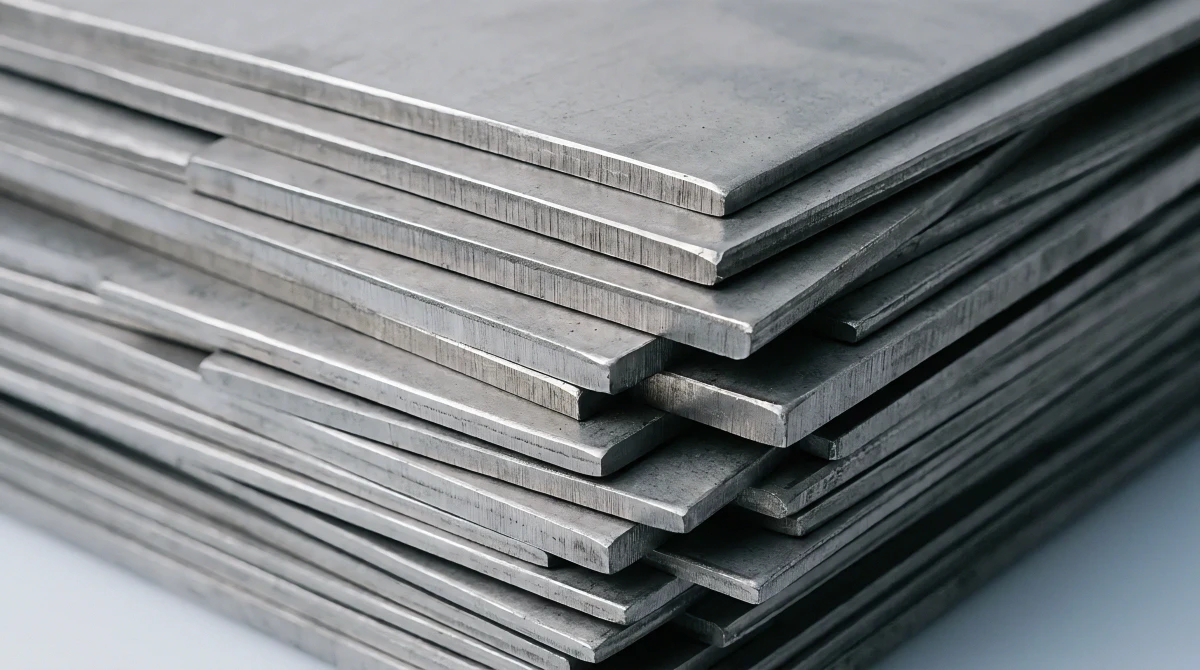
The elastic modulus of 5052 is 70 GPa (10,200 ksi) in Smiths’ sheet, against 193 GPa (28,000 ksi) for 316L. An aluminum panel of the same thickness is therefore about 36 % as stiff. Equal bending stiffness needs about 40 % more aluminum thickness. A 2 mm (0.079 in) stainless panel is matched by 2.8 mm (0.110 in) of 5052.Read More
Grade Choice
A drawing may pick a high-strength steel to gain stiffness. Under EN 10131 that grade brings a wider thickness band. Where the thickness only sets stiffness or carries load, the normal tolerance column is enough. The special column pays when a fit depends on the sheet being close to nominal.Thin Sheet
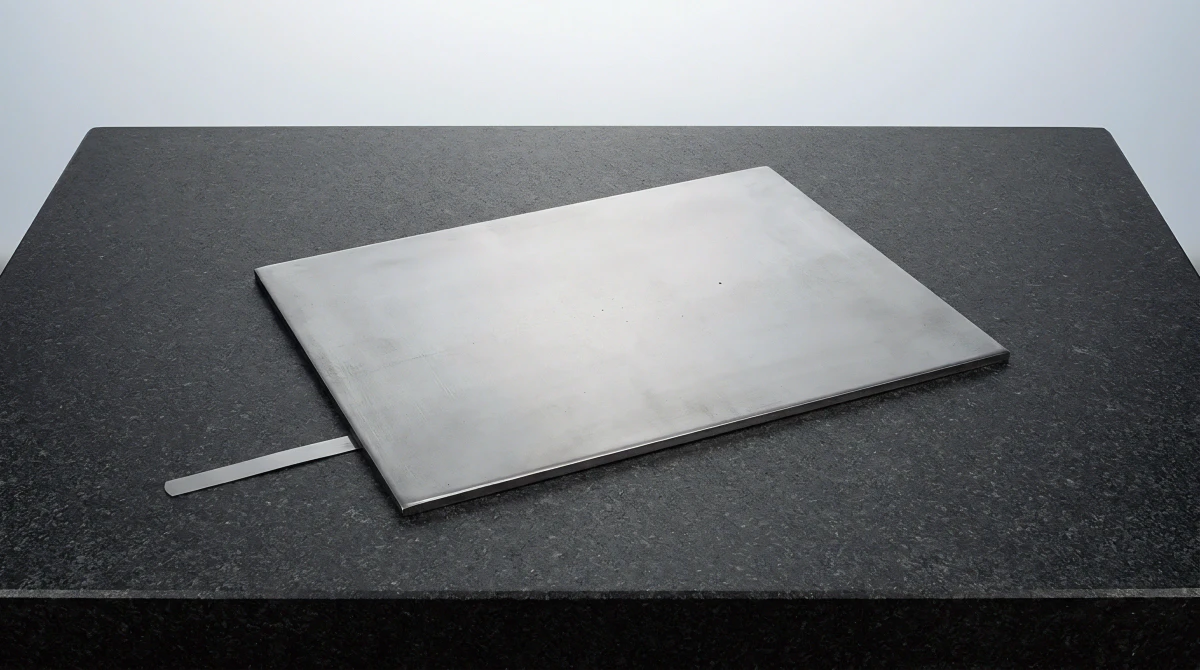
A thin sheet has little bending stiffness. One reading of the EN 10131 flatness table is that such sheet takes the shape of its own stresses and weight. The table itself gives no reason. In welding, a thin panel has little stiffness to resist the shrinking seam.Adding Stiffness
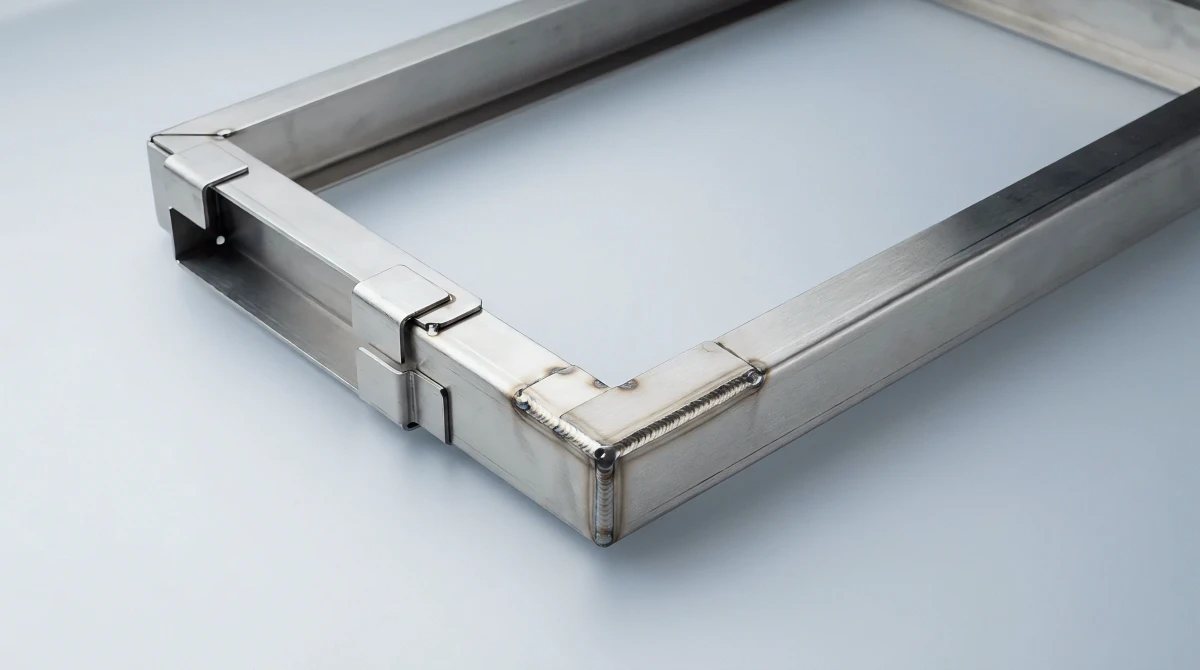
TWI suggests stiffening flats or angles welded along a thin-plate seam against bowing. Euro Inox notes that pattern rolled sheet stiffens thin gauges, so thinner sheet can cover large flat areas.