Spatter

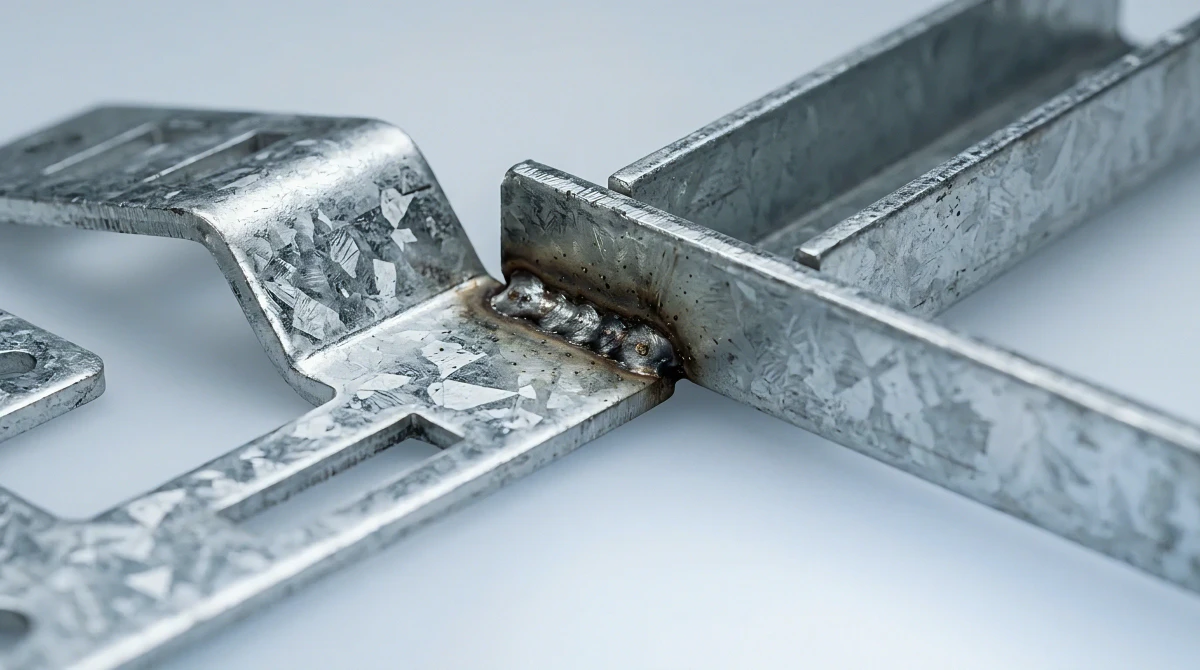
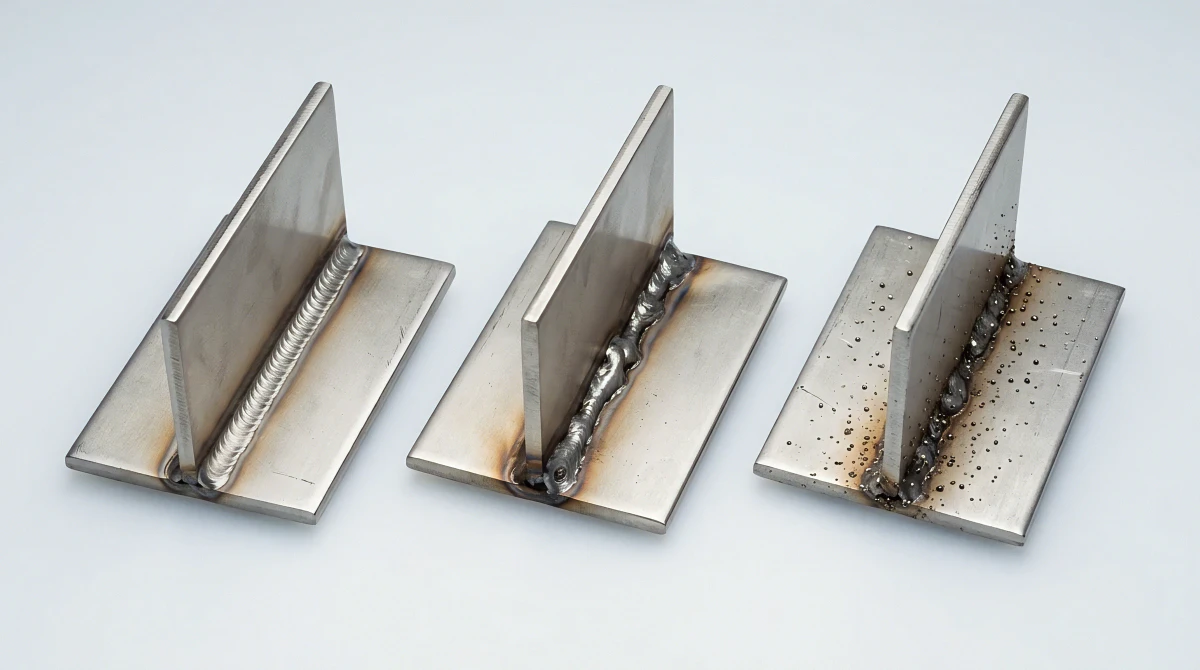
Spatter is weld metal left on the surface beside a seam, an imperfection ISO 5817 lists without a fixed limit at any level.

Every Spatter article of the Sheet Metal Resources, newest first, each written from published standards, research and makers’ data.

Meaning

Spatter is weld metal left on the surface beside a seam, an imperfection ISO 5817 lists without a fixed limit at any level. Its acceptance depends on the application, for instance the material and its corrosion protection. The drawing therefore has to say what is accepted.

Not Graded

Naming level B, C or D says nothing about spatter. ISO 5817 treats spatter the same way as temper colors, leaving both to the application. A drawing that names a level and no spatter rule leaves the question to the shop. Any acceptance of spatter or tint is therefore a drawing note, not a default.
Read More

Galvanized Seams

On galvanized sheet, spatter and burned-off zinc beside the seam are the conditions ISO 5817’s note is about. The standard’s introduction adds that welds to be coated later may need more thorough post-weld treatment. The order for a galvanized weldment therefore states the spatter and zinc burn accepted, with the level named.

Coated Parts

A part that is painted or powder coated after welding shows spatter through the film. The coating note and the weld note are therefore read together.

On Stainless

For a 316L part that has to look uniform or resist chlorides, the spatter and tint rule goes on the drawing. It names a cleaning step, such as pickling or passivation, agreed with the supplier. Euro Inox adds that the finish chosen affects how a seam is cleaned afterward.

Inspection

Spatter is a surface condition, so it is found by visual testing, the method ISO 5817 is written for. Its acceptance note then decides whether it is removed.
ISO 5817 Weld Quality Levels B, C and D for Sheet Metal Parts

Name a quality level per joint, cite the current edition, and agree how thin-sheet welds are inspected and finished.

What Quality Levels B, C and D Mean for a Sheet Metal WeldISO 5817 specifies quality levels for imperfections in fusion-welded joints in steel, nickel, titanium and their alloys. It applies to material 0.5 mm thick and above and covers fully penetrated butt welds and all fillet welds.

Galvanized Steel Sheet Coating Weight Designations for Cut and Welded Parts

Read the coating designation as a minimum zinc mass over both faces, name the standard and test basis, and plan ventilation for cutting and welding.

What a Coating Weight Designation Says About the SheetA designation states the minimum mass of zinc, or zinc alloy, on the sheet and the units it is stated in. G90 means hot-dip galvanized, with a triple spot test average of at least 0.90 ounce per square foot, counted over both sides together.

316L Stainless Steel Sheet for Laser Cutting and Bending

Choose the molybdenum-bearing low-carbon grade for chloride exposure, plan overbend on the brake, and write the finish and weld tint rules on the drawing.

What 316L Sheet Adds Over 304L in a Cut and Bent PartType 316L is Type 316 with the carbon ceiling lowered from 0.08 % to 0.03 % by weight. Both carry 16.0 to 18.0 % chromium, 10.0 to 14.0 % nickel and 2.00 to 3.00 % molybdenum, according to the Cleveland-Cliffs product bulletin for the two types.

Request a Sheet Metal Quote

Send the 2D drawing and the 3D file, with the quantity and the stage of the project. An engineer replies within 1 working day.

The quote form, the mutual NDA and the private folder for your files are on Protolis Atelier, with Sheet Metal chosen.

Request a Quote